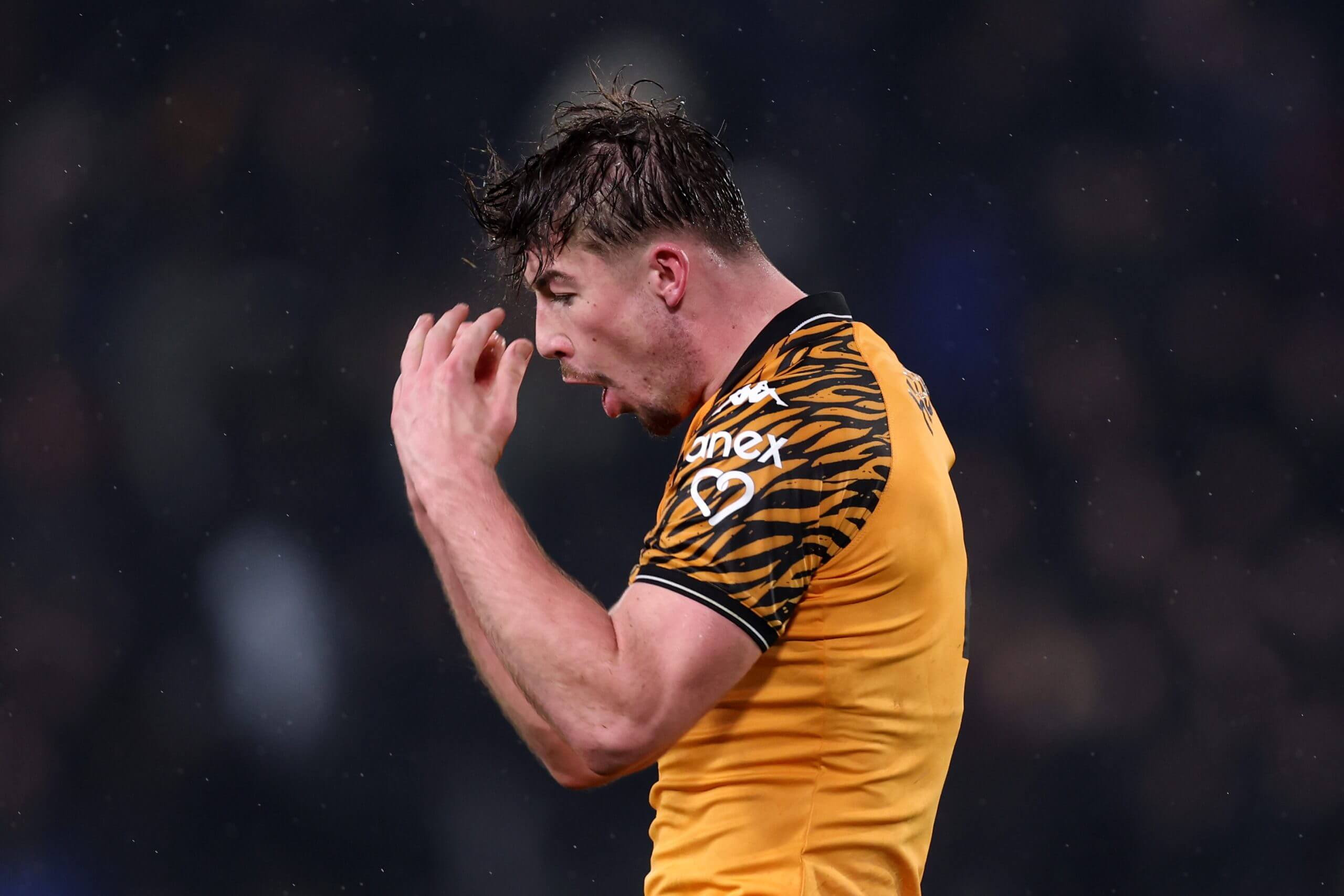
Hull City find themselves riding the crest of a wave this summer.
No sooner had they dramatically triumphed in the Championship play-off final last month, beating Middlesbrough 1-0 at Wembley, it was confirmed that a Premier League return after 10 years away would begin with the high-profile visit of Manchester United.
All roads now lead to a new season on August 22 but first, Hull must navigate an awkward bump in the road.
The club’s owner Acun Ilicali, the Turkish businessman, has accepted that promotion came on the back of an overspend last season to raise questions over their compliance with Profitability and Sustainability Rules (PSR). He told a fans’ forum this month there is a need to raise £6million before the financial year is out.
That leaves Hull with seven days to raise the necessary funds or run the risk of being handed a points deduction in their first season back in England’s top flight.
Here, we explain how the club got into this position and how they could extricate themselves.
What is Hull’s PSR position?
In a word, precarious. This coming season ushers in a new era of financial cost controls in the Premier League through Squad Cost Rules (SCR) but all 20 clubs are first assessed for the final time through the Profitability and Sustainability Rules (PSR).
Hull are permitted to lose £39million after allowable deductions over the three-year monitoring period as an EFL club and without action over the next week, there is forecast to be a breach.
The numbers that are currently available, covering the 2023-24 and 2024-25 seasons, show that Hull posted a pre-tax loss of £29.1m in those two years.
That figure would have been far greater if not for £33.1m in player sales booked in 2024-25 but that season demonstrated the high-risk strategy adopted in pursuit of promotion. Hull’s wage bill had climbed to £36.7m on a turnover of £25.8m and without again making up the shortfall in player sales in this current accounting year, keeping below that all-important £39m limit is onerous.
The £29.1m pre-tax loss across 2023-24 and 2024-25 will be reduced by small PSR add-backs but it was accepted by Ilicali that money had to be raised ahead of June 30 if they were to duck under the £39m threshold. The figure he put forward when speaking to fans on June 5 was £6m.
That is not a huge sum by Premier League standards, given winning the play-off final was estimated to be worth a minimum of £205m, but raising that — effectively as a Championship club on an accounting basis — will be key if a points deduction is to be avoided.
Promotion bonuses to players and staff, thought to total an eight-figure sum, will not need to be included in assessments. The EFL’s rules allow those to be placed in the accounting year that follows a promotion should a club wish. Hull’s breach would be even more sizeable if that was the case.
There are parallels here with June 2024, when a cluster of Premier League clubs were left to scramble in the transfer market to ensure PSR compliance before financial years ended. Nottingham Forest, Aston Villa and Everton were among those to push through deals in a period that also saw Newcastle United cash in on one of England’s hottest prospects Elliot Anderson. That £35m sale, considered all profit on an academy product, helped Newcastle avoid a PSR breach.
Hull’s latest financial challenge comes a year after they were punished by the English Football League after failing to maintain payment obligations in a loan deal for Aston Villa’s Louie Barry. A three-window transfer embargo was reduced to two windows on appeal, meaning they are free to spend money on fees and loans again this summer.
What can Hull do to avoid breaching PSR?
The easiest way out is player sales. Hull accepted in January that they would postpone any sales until the summer, giving head coach Sergej Jakirovic the best opportunity to win promotion. That gamble paid off handsomely but it has subsequently given them a headache.
Hull considered a sale of star defender Charlie Hughes as a PSR escape in the event of not winning promotion, with bids in excess of that £6m figure previously rejected last summer.
Charlie Hughes is one of Hull’s biggest assets (George Wood/Getty Images)
But Hughes, 22, now has the chance to make his Premier League debut with Hull, who would also rather not lose a key asset before the new season has begun.
Goalkeeper Ivor Pandur could generate sizeable funds if sold but Hull’s need for quick business is complicated by the fact he is currently at the World Cup with Croatia. Forward Kyle Joseph is another that could be sold but the accounting profit on a player signed for £2.5million 18 months ago would not cover the shortfall.
Hull have no shortage of squad players they would be prepared to sell but it is currently unclear if that group, deemed surplus to requirements, will command sufficient fees to raise the £6m.
Players such as Abu Kamara, Mason Burstow, Kasey Palmer and Enis Destan, who were all loaned out last season, are available for moves away but, as with any player on Hull’s books, their wages will have climbed in the wake of promotion. That reality will impact on any prospective deals, limiting interest unless Hull are willing to cover a portion of the revised wage package.
Solving this PSR dilemma, in short, might well have been easier had Hull not won promotion.
What are the implications of a breach?
Hull are confident the necessary business can be done before July 1 but failure to do so would see them facing a penalty. All clubs must submit their accounts for the 2025-26 season to the Premier League by October 31 (earlier than the standard date of December 31 owing to this being the final PSR season), ahead of assessments deciding if penalties are forthcoming.
History would suggest a breach in the region of £6m would be given greater leniency than previous clubs in disciplinary trouble.
Everton’s £19m PSR breach in 2021-22 resulted in a six-point deduction (initially 10 before an appeal), while the same club’s £16.6m breach in 2022-23 brought a two-point penalty. Nottingham Forest’s breach of £34.5m in 2022-23 (a three-year period that included two as an EFL club) resulted in a four-point penalty when a Premier League commission accepted they had, unlike Everton’s first case, fully cooperated with the process.

Hull City owner Acun Ilicali (Tony King/Getty Images)
The wider point in all of this is what might happen should Hull be found to have breached PSR at the turn of this year.
Burnley successfully pursued Everton for compensation on the grounds that a PSR breach helped the Merseyside club win their battle for Premier League survival in 2021-22. That saw Burnley relegated to the Championship at their expense but eventually receive hefty compensation of £35m, which Everton are disputing.
Middlesbrough, who successfully pushed hard for Southampton to be thrown out of the Championship play-offs last month, already have a history of chasing a club found to have breached PSR and, in theory, would have grounds to take similar action against Hull.
Boro previously claimed that Derby County’s PSR breach in 2018-19 cost them a play-off place in the Championship and, as beaten finalists at Wembley last season, would likely have a case to suggest Hull’s overspending provided a sporting advantage.
The same might also extend to Wrexham, who finished seventh in the Championship and behind Hull in sixth. Those clubs — or their legal teams — will inevitably have been emboldened by the verdict delivered earlier this month in Burnley’s case against Everton.
That is a bridge that does not yet need crossing by Hull but those financial implications underline the need to complete business in the next seven days.