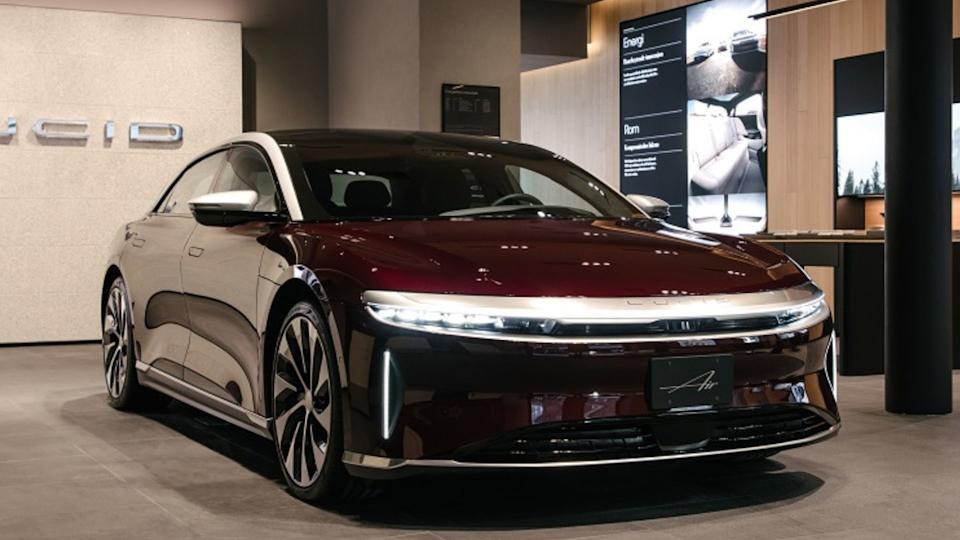

The breathless coverage that greeted Lucid’s market entry — framing the California EV startup as a genuine Tesla challenger with superior technology — has given way to a more sobering picture. Demand for the Lucid Air, the company’s only production model, is declining, production numbers are below targets, and the financial runway that the Saudi Public Investment Fund has been providing is the only thing keeping the company’s ambitious plans alive.
Lucid’s situation illustrates a structural challenge that every luxury EV startup faces: building a credible brand and generating sustainable demand at prices that exceed $100,000 requires more than having the best technology spec sheet. It requires dealerships or service centers in enough locations, marketing that reaches and converts the target buyer, reliable delivery and ownership experience, and — critically — continued momentum that prevents the early-adopter pool from thinning before the mainstream luxury buyer comes along.
The Air is genuinely impressive as an engineering achievement. Its range figures, particularly in the Air Grand Touring Performance, are class-leading. The interior and charging speed are competitive with the best in the class. But engineering excellence alone doesn’t sell cars, and Lucid has struggled to convert product enthusiasm from reviewers and early adopters into the order volume needed to demonstrate commercial viability.
The Saudi PIF’s continued financial backing is a double-edged reality for Lucid. On one hand, it ensures the company has a longer runway than it would if it depended purely on commercial operations and US capital markets. On the other hand, deep dependency on a single sovereign wealth fund investor is a vulnerability that sophisticated buyers and partners are aware of. Geopolitical or strategic changes in Saudi priorities could affect the funding relationship in ways outside Lucid’s control.
The broader lesson from Lucid’s struggles is that the luxury EV market is not as large or as forgiving as early-stage investor excitement suggested. Tesla has proven that a luxury EV brand can be built and made profitable, but it took years longer and was harder than the company’s early supporters projected. Lucid is on a similar timeline, with less certainty about the outcome.
Join our Newsletter, follow our Instagram page, and connect with us on Facebook.