For decades, the pilgrimage route for ambitious tech founders, investors, and engineers led to Silicon Valley. Now, a growing number of them are flying to Shanghai, Hangzhou, or Shenzhen instead.
China is seeing a surge in a new kind of tech tourism where visitors pay up to $9,000 for curated tours of electric-vehicle factories, robotaxis, and artificial intelligence and robotics companies. The trend is partially triggered by viral videos of China’s dancing humanoid robots and flying cars, creating a sense that the country may be moving faster than the West in key emerging technologies. As China-U.S. tech competition intensifies, these trips are also becoming a means to explore the next investment opportunity and tech breakthrough.
“There’s a fear-of-missing-out dynamic at play: the sense that China’s tech ecosystem has reached a level of sophistication where not seeing it firsthand puts you at an informational disadvantage relative to competitors who have,” Shaoyu Yuan, an international relations adjunct professor at New York University who specializes in China’s soft power, told Rest of World. “If you’re building a startup or making investment decisions, reading about BYDBYDBYD Auto is a Chinese carmaker that became the world’s leading EV manufacturer in 2023, competing with Tesla for market share and global attention.READ MORE’s vertical integration is one thing. Walking through the factory floor is another.”
Inside a Chinese tech tour
Named and marketed as “Shanghai AI and Robotics Innovation Tour” or “EV and Battery Deep Dive,” these tours are typically three to five days long. The tourists are taken inside factories, startup incubators, and industry conferences, and allowed private Q&A sessions with executives. Prices exclude flights, but cover hotels, food, and commute.
-
-
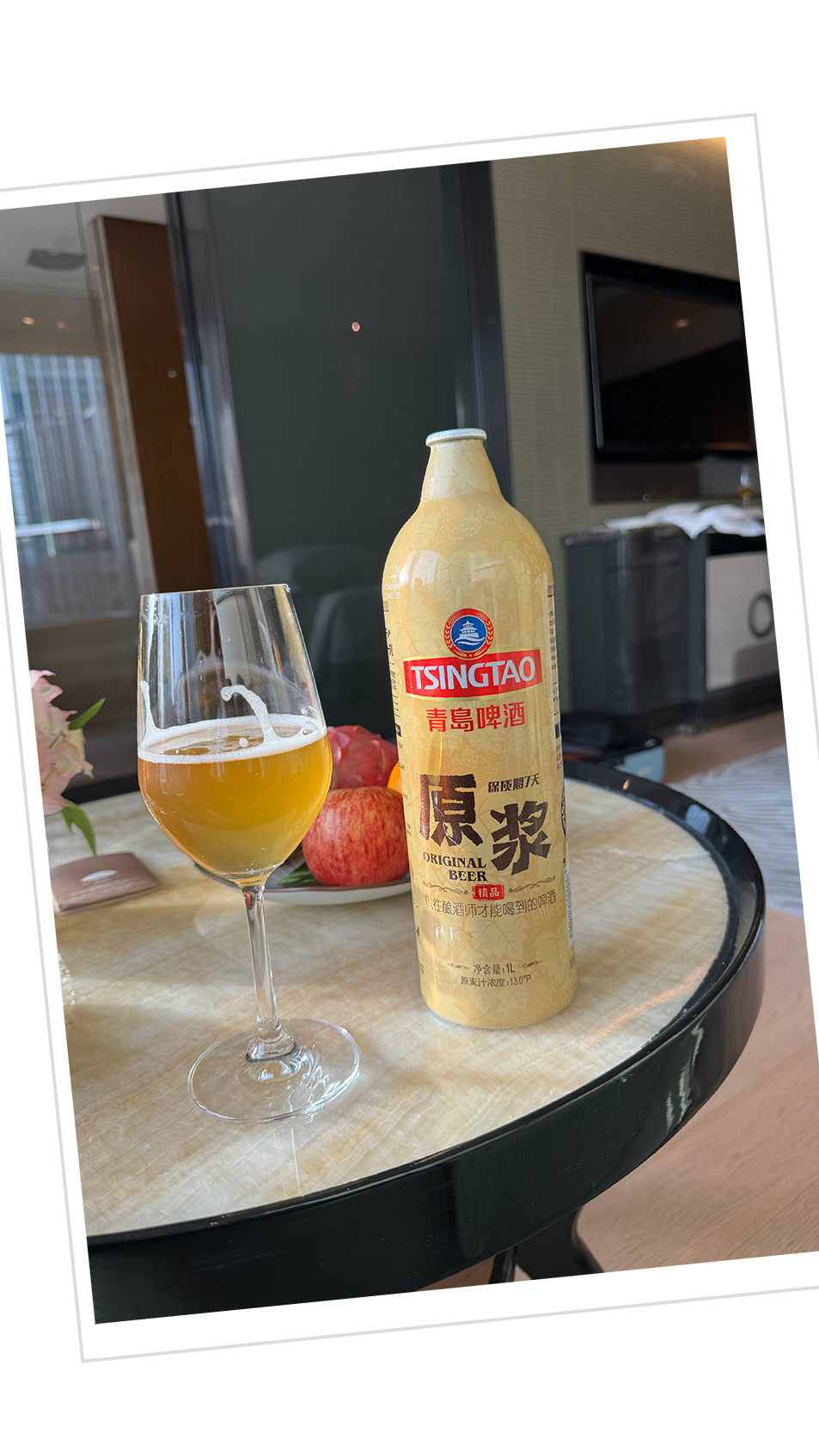
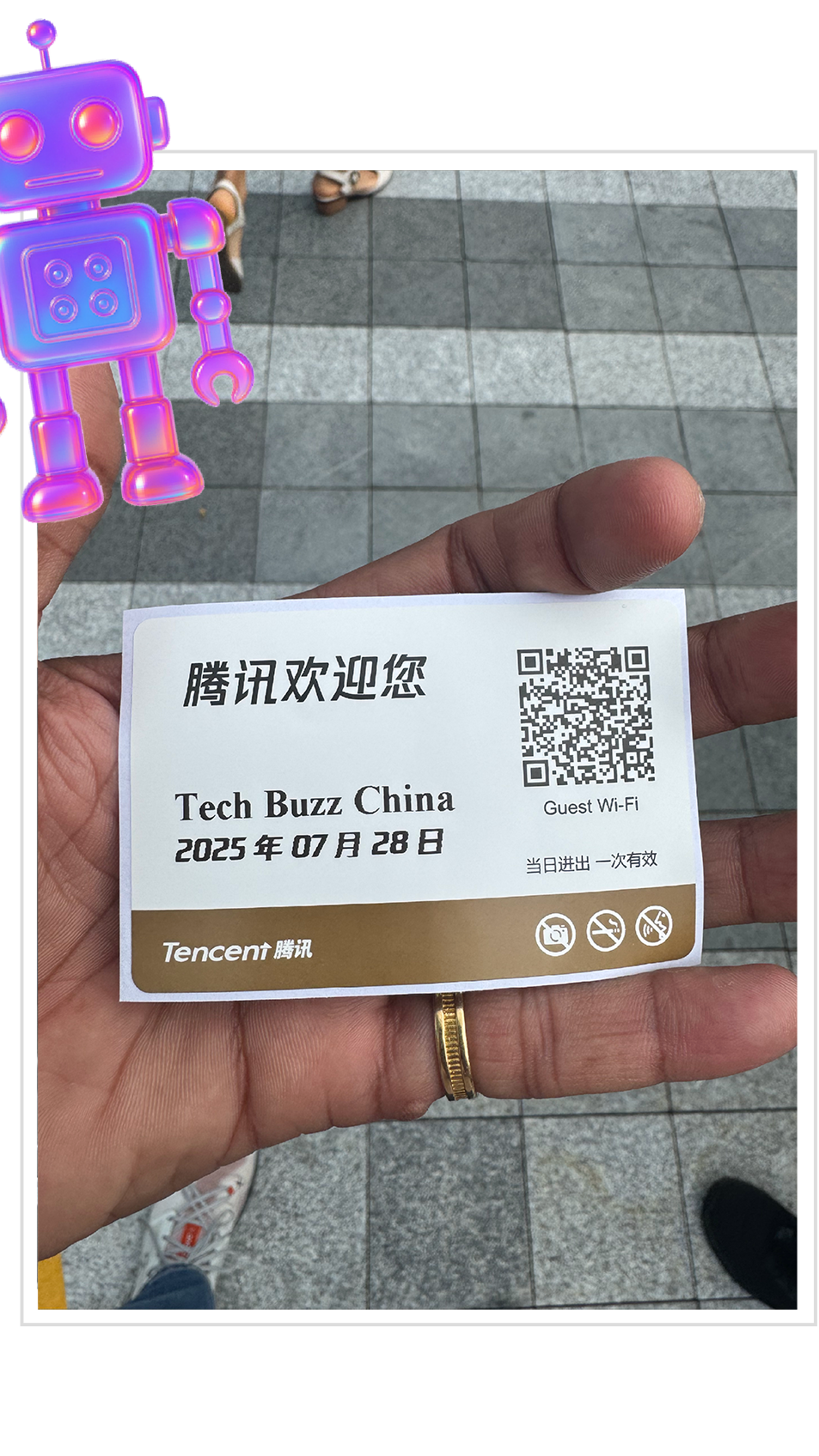
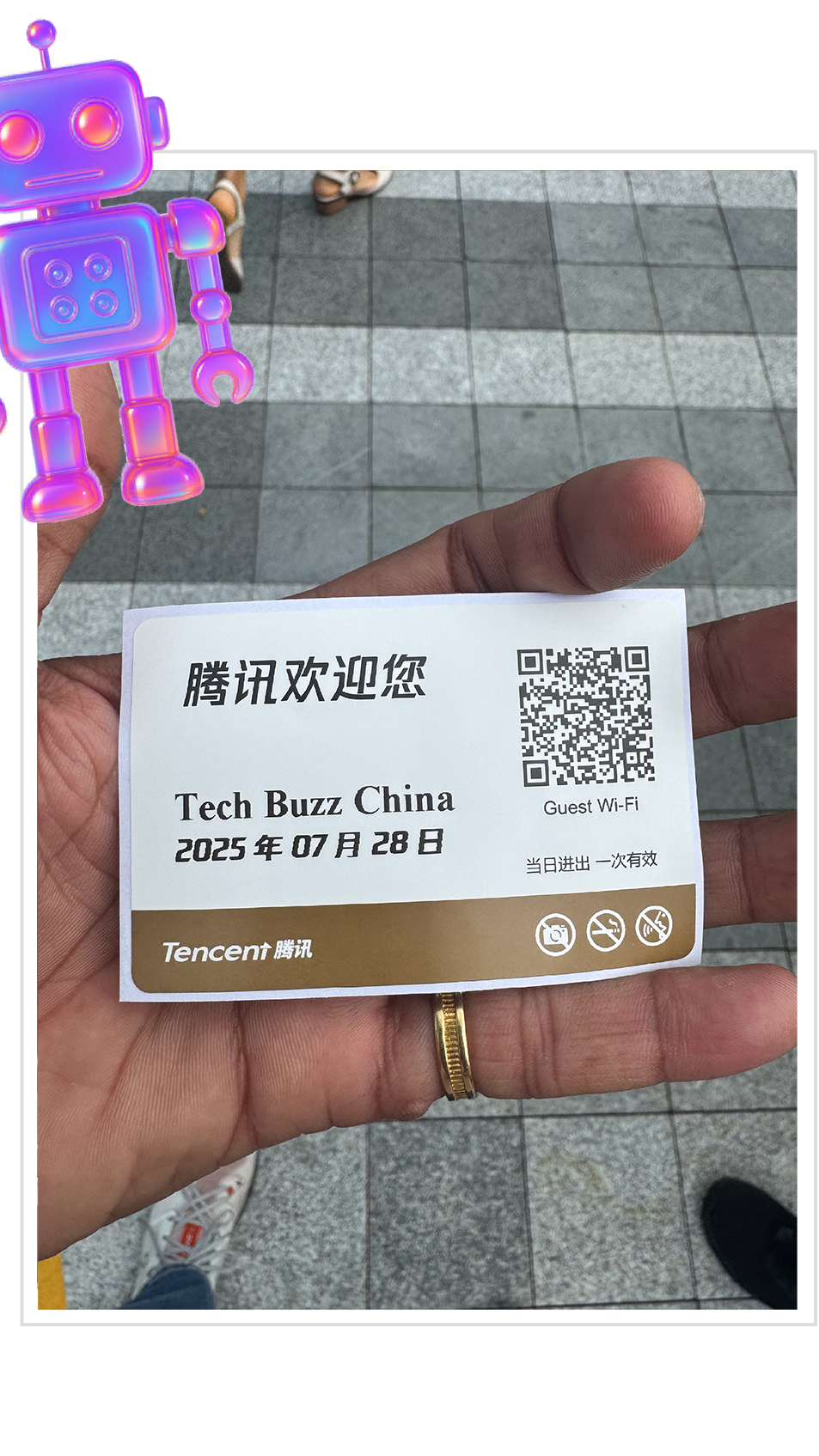
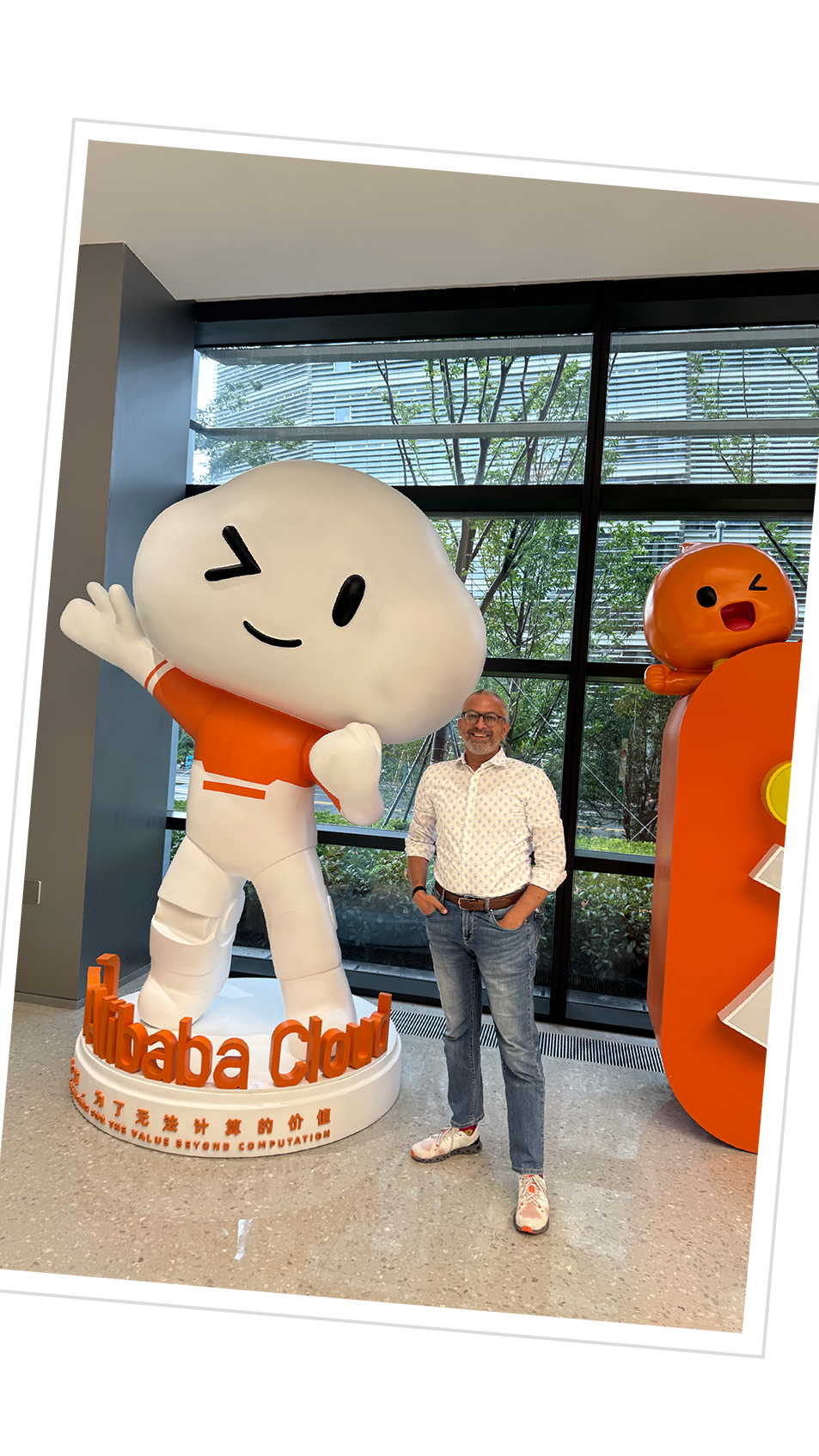
Glimpses of experiences at Alibaba and Tencent’s offices. -
Investors and entrepreneurs tour Chinese tech firms. -
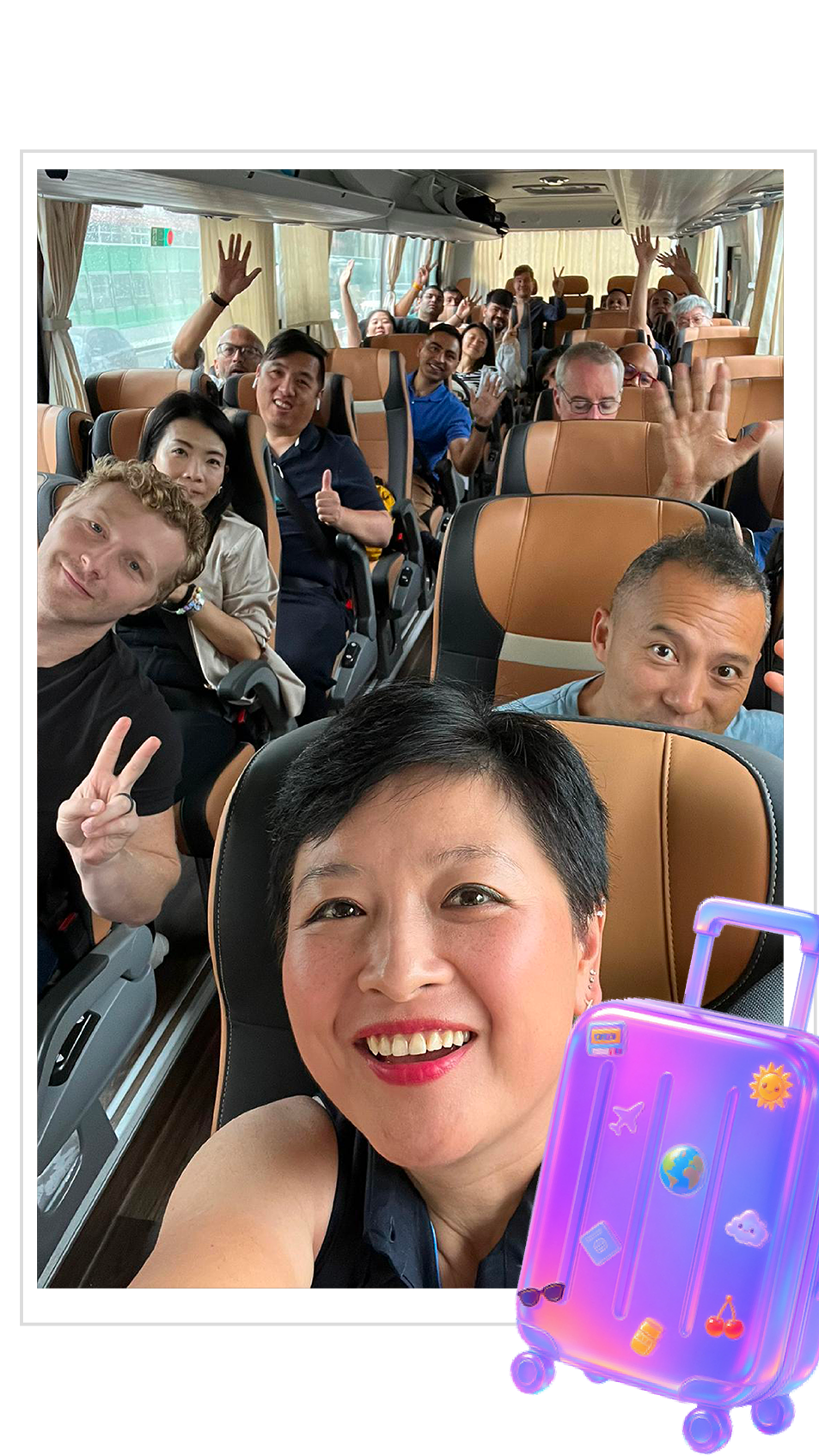
Chetan Shah
The companies featured on these tours are carefully chosen symbols of China’s technological rise: BYD, which overtook Tesla in global EV sales; Unitree Robotics, whose humanoid robots have gone viral online; and DeepSeek, the AI startup increasingly being compared to ChatGPT.
“They are a little bit expensive, to be honest,” Chetan Shah, a Mumbai-based investor who has joined multiple China tech tours, told Rest of World. “But there’s access to things I can’t buy. … I can go as a tourist to visit BYD, but I will not be allowed to go beyond the showroom.”
Shah, who manages his own family business, said seeing China’s manufacturing capabilities up close forced him to rethink some of his assumptions about global competitiveness. The trips helped him sharpen his investment judgment in ways that reading research reports could not, he said.
“I started comparing similar businesses in the Western world and in China and in India. … For example, in the chemical industry,” Shah said. “When I have been there in China, I realized that the cost at which China can manufacture is something that India can never compete with.” He said he later exited several investments that subsequently dropped by 40% to 50%.
The tech tourism business
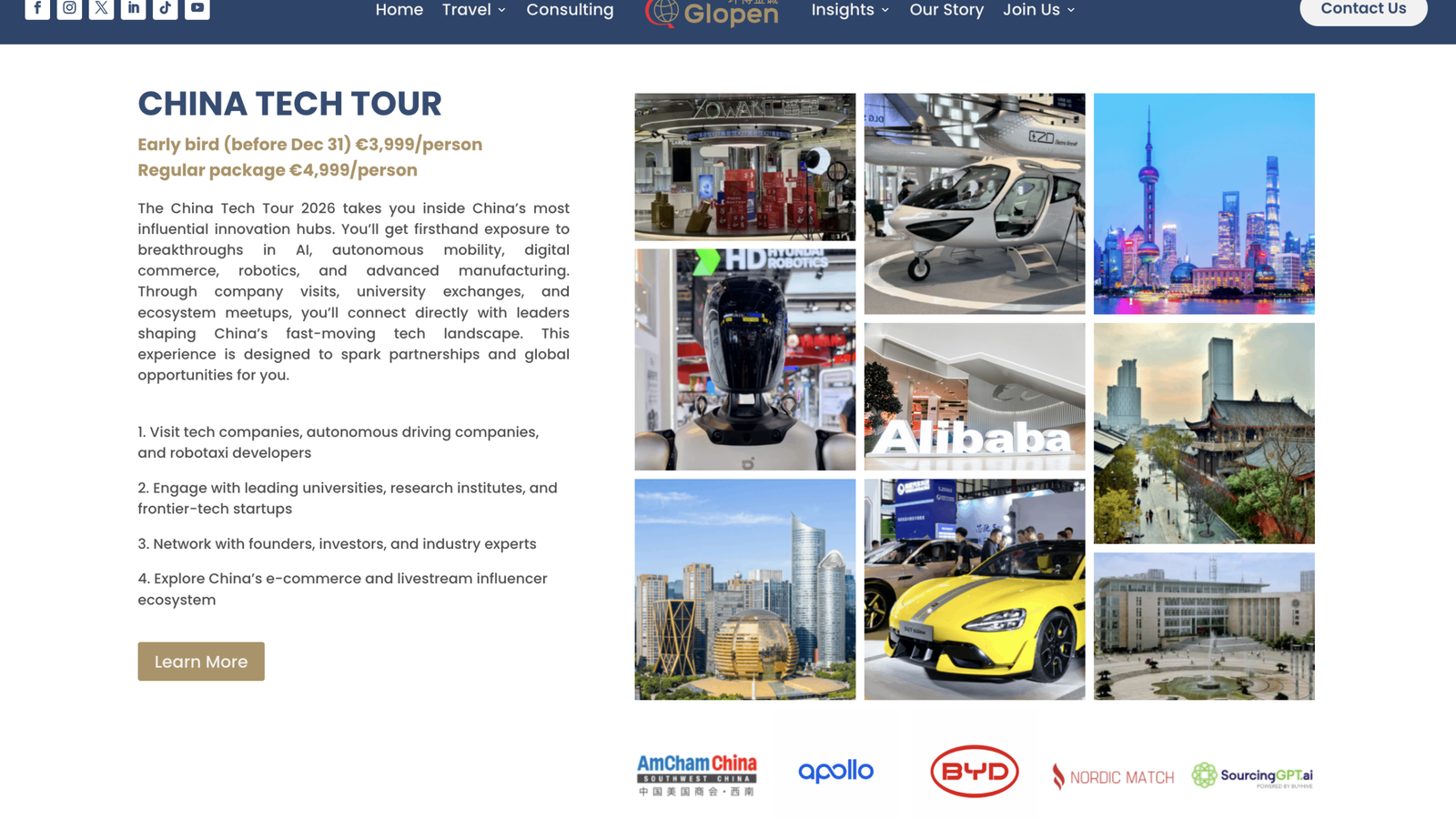
In 2023, Boyang Shen moved to Shanghai after spending a decade as a business consultant in Europe, and wanted to start a market research and consulting firm. But the business took an unexpected turn when two clients asked him to design custom tours around EVs and the livestreaming commerce industry.
Realizing the potential of tech-focused tours, Shen applied for a tourism license a year later and now runs an agency called GloPen in Shanghai. GloPen has so far hosted more than 1,000 visitors in 18 months.
“There are many competitors in the consulting business,” Shen told Rest of World, “but there is a gap in the market for an all-inclusive, immersive experience.”
Most of GloPen’s tech tourism clients are from Southeast Asia, India, and Europe, with smaller but notable demand from the U.S. and Brazil.
-
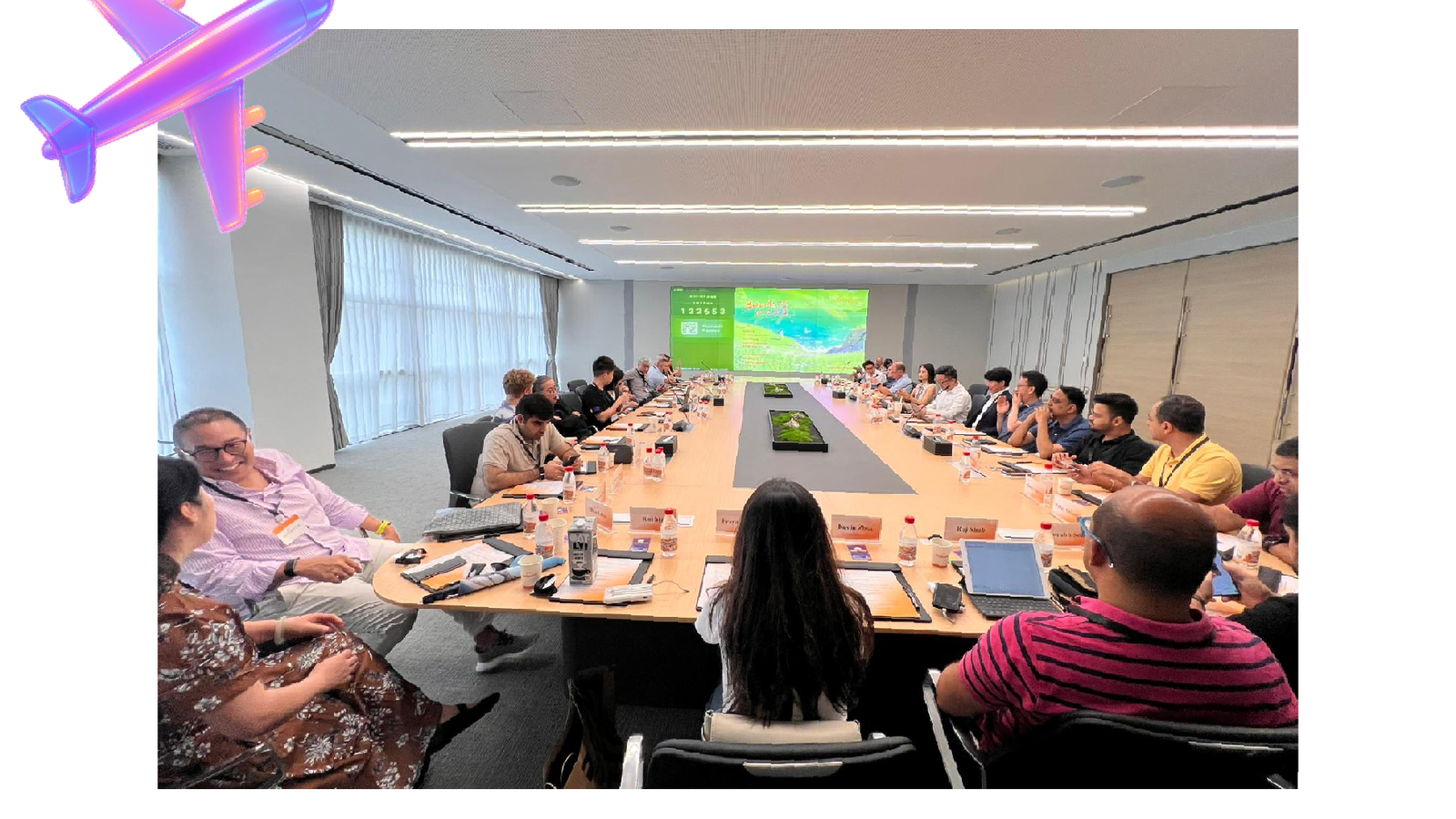
Tourists in Q&As with companies. -
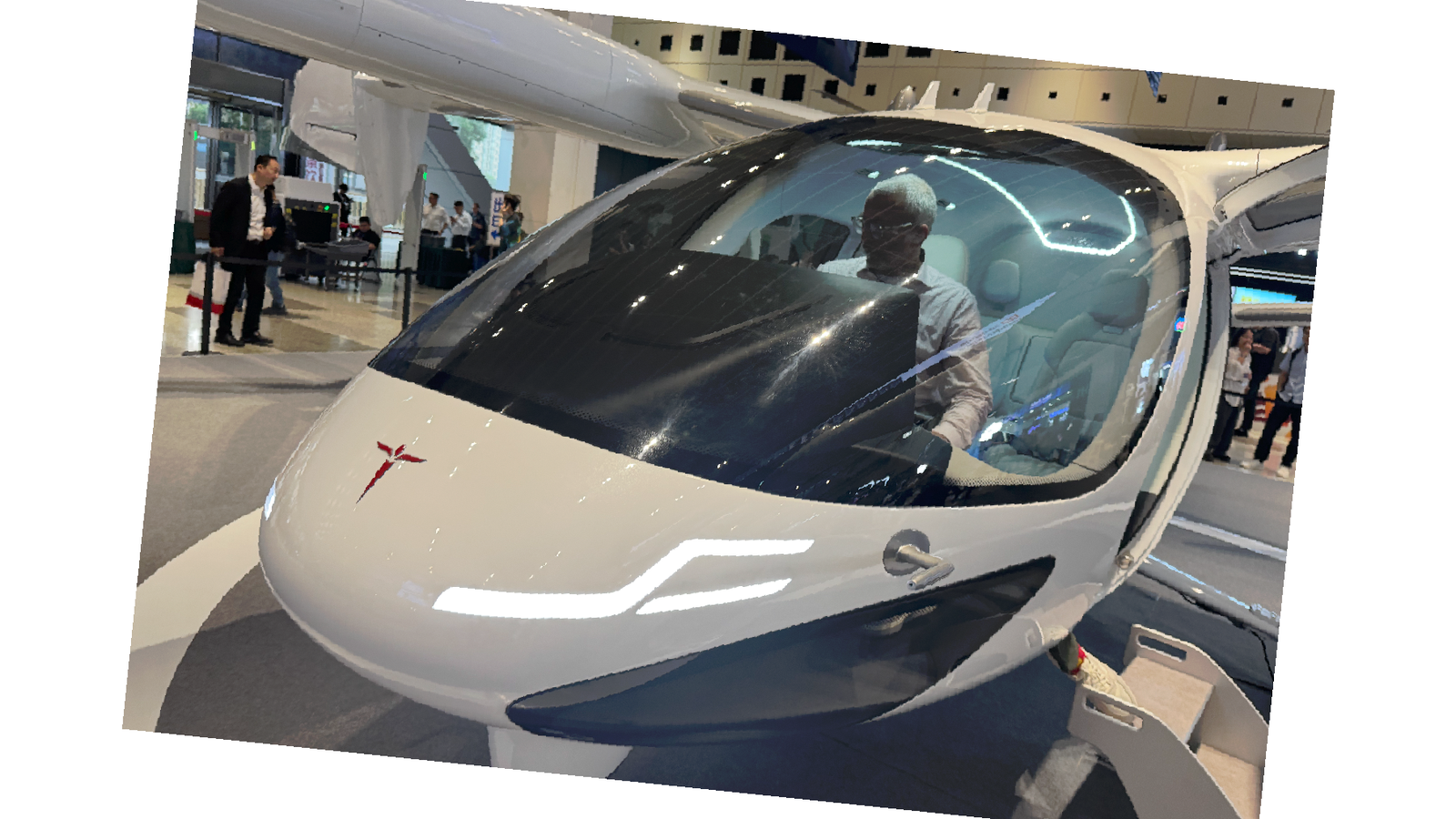
Shah’s first time inside an XPeng flying car. -
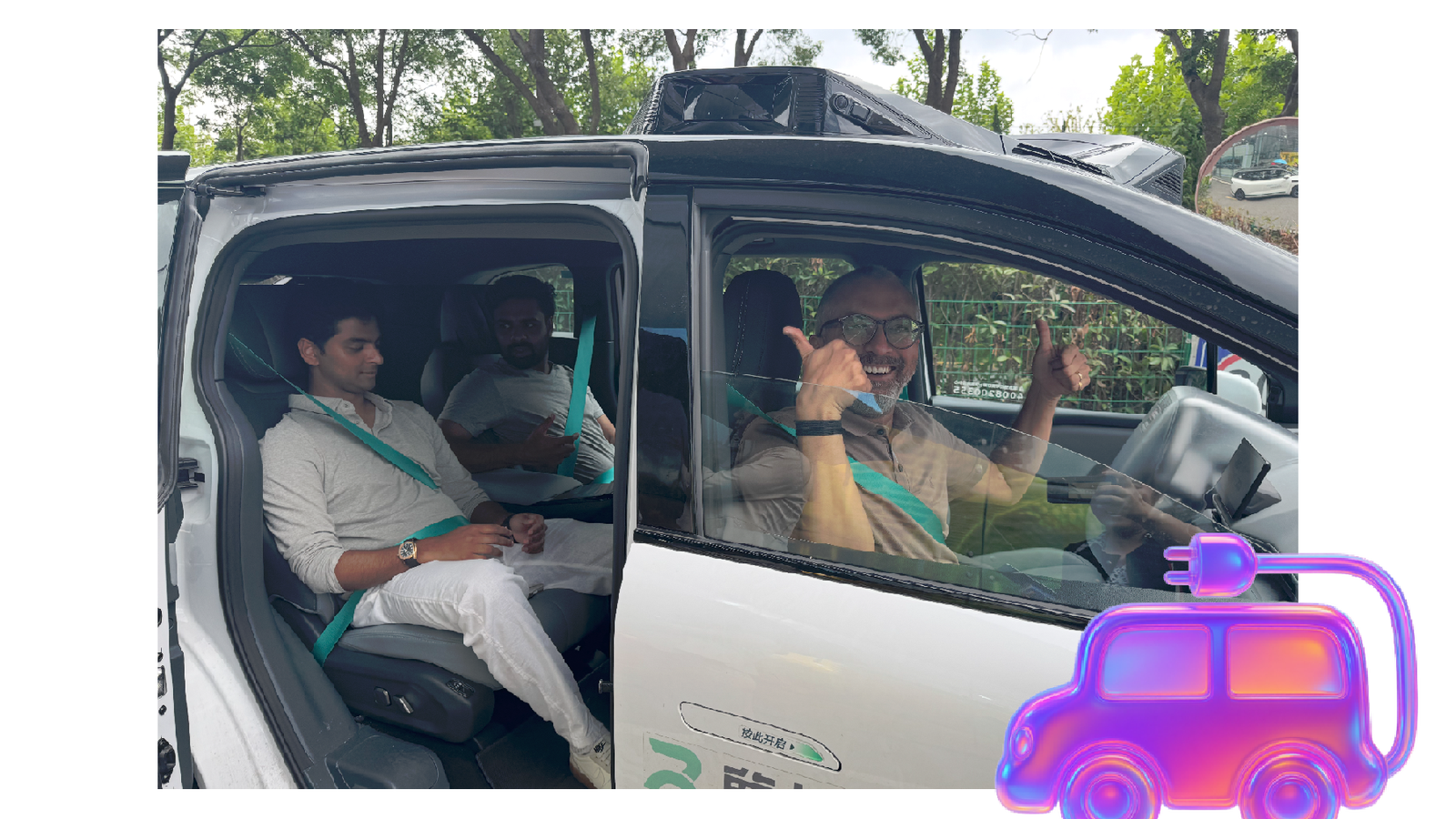
Shah riding Baidu’s robotaxi.
Chetan Shah
Tech Buzz China, a research and analysis company, is targeting high school students with science, technology, engineering, and mathematics backgrounds for its upcoming tech tour, founder Rui Ma told Rest of World. Most of the 32 attendees who have signed up for this trip so far are from the U.S.; the rest are mainly from Singapore and India. The program brings interns from Chinese AI companies and early-career robotics students to speak with visiting parents and kids.
“The point is we want parents to have the most up-to-date knowledge, to basically update their priors about what their kids could or should be studying,” Ma said. “If your kid is 16, it would be really helpful for them to learn what people are actually working on. The Chinese higher education system has become super competitive. … Undergrads are becoming the main authors in published papers.”
There has also been a rise in tech experiences being offered to casual tourists in China. A search for “tech tours” on Tripadvisor or Trip.com brings up dozens of options.
In Shenzhen, the southern manufacturing and tech hub bordering Hong Kong, the top-ranked activity out of 104 options in early May was “Shenzhen Tech Tour: Explore the Future.” The $92 bilingual outing includes a drone food delivery demonstration, a robotaxi ride, and visits to flagship stores selling AI glasses and AI-enabled toys.
Companies have grasped this opportunity to boost their public image. XPeng, an electric vehicle startup, has been selling tickets to its own showroom since January. They are often sold out.
China’s soft power play
Tech tourism aligns with China’s attempts to actively promote itself as a tech powerhouse.
In April 2025, American YouTuber iShowSpeed visited Shenzhen and rode a flying drone car. While the influencer’s team denied having been paid by the Chinese government, the video drew more than 600,000 views and was praised by Chinese state media for “casting light on real China.”
When German Chancellor Friedrich Merz visited Unitree Robotics in Hangzhou in February, videos of him watching humanoid robots perform kung fu moves went viral on Chinese social media. Leaders from Spain and Vietnam met Chinese tech executives and tried on AI glasses during their visits this year.
In a post on X on May 15, Lex Friedman, who hosts one of the world’s most popular tech podcasts in his own name, said he is visiting China to talk to “engineers at the heart of China’s AI revolution,” and also to do some hitchhiking.
“Someone sees Chinese tech content on TikTok or YouTube. That creates curiosity. Curiosity leads to a tour. The tour produces firsthand experience. The experience gets shared online as content. That content reaches new audiences and creates more curiosity,” said Yuan. “Each rotation deepens the perception that China is a serious, perhaps leading, technological power. Whether you think that perception is accurate or inflated, the mechanism producing it is real and accelerating.”