The World Cup is a tournament that the entire football world waits for. Fans, analysts, and casual viewers alike eagerly anticipate watching the planet’s finest players compete on the grandest stage.
With the expanded 48-team format now in place, the competition promises even more dynamics, more surprises, and more football than ever before: more nations, more stories, and more genuine drama across a longer, richer tournament.
Betting sites across the globe have recorded significant increases in user activity as people dissect squad selections, form guides, and individual performances in granular detail. In Romania in particular, local betting platforms have noted a marked surge in traffic, with users placing bets on a wide range of sides. England, Spain, and France are attracting particular interest.
But as every football fan already knows, Italy will not be at this World Cup. Worse still, this is the third consecutive major tournament they have failed to qualify for, a staggering, almost incomprehensible collapse for a nation that won the trophy four times. That reality demands a serious look at exactly what has gone so wrong in Italian football over the last fifteen years.
A System That Stopped Producing Footballers
The most obvious place to begin is youth development, or rather, the steady erosion of it. For decades, Italian clubs ran some of the most sophisticated academies in Europe. They produced technically sound, tactically disciplined players who could slot into the national team setup with minimal adjustment.
That pipeline has narrowed dramatically. The academies still exist, but the pathway from youth football to first-team minutes in Serie A has become so congested with foreign talent that young Italian players are reaching their mid-twenties without having played meaningful professional football at the top level.
This is not a new observation, but its consequences are only now being fully felt. A generation of Italian players who should have been peaking between 2022 and 2026 simply wasn’t developed properly.
They trained well, perhaps, but they didn’t compete enough. Top-level football requires decision-making under pressure, game management, and the experience of high-stakes moments, none of which can be absorbed on a training ground. When the national team needed experienced, battle-hardened players in their mid-twenties, too many of them were either playing in Serie B or sitting on top-flight benches.
The Foreign Player Flood and Its Real Cost
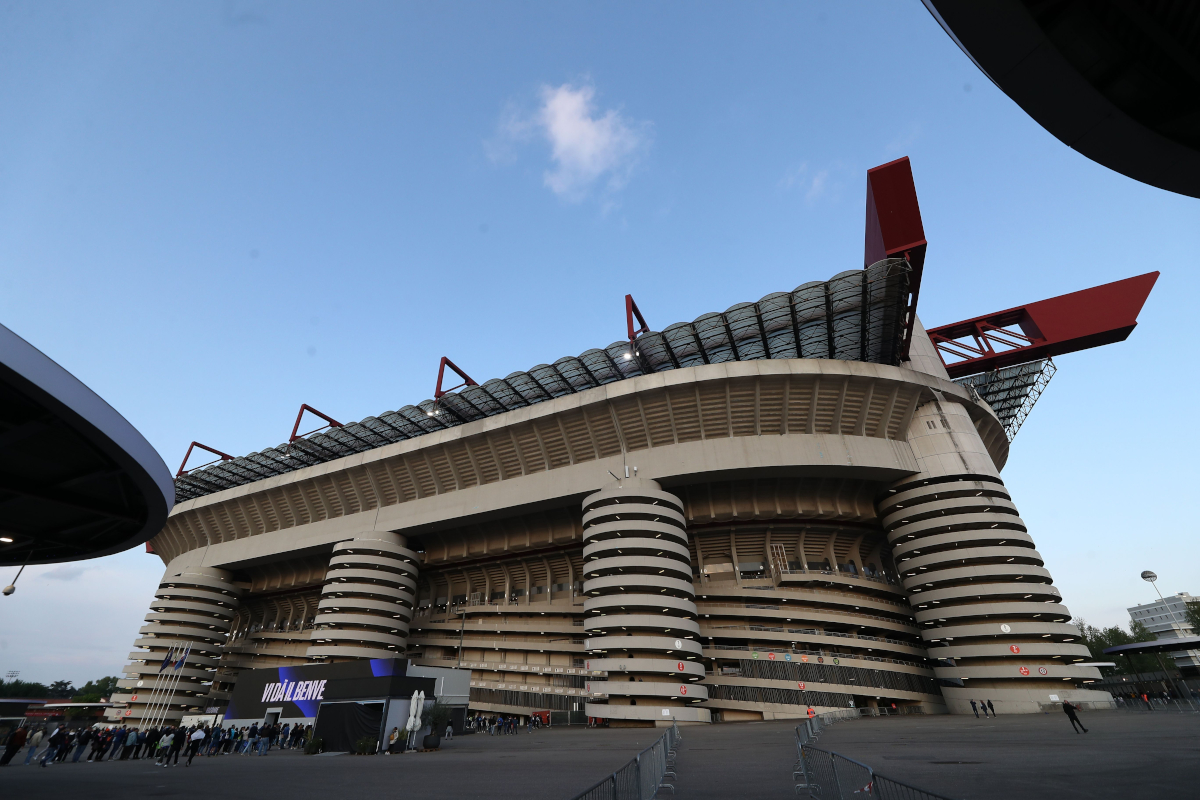
Serie A clubs have consistently prioritised cheap, readily available foreign talent over the longer-term investment in homegrown players. The financial logic is understandable. Signing a proven midfielder from Eastern Europe or South America at a low transfer fee is simply more efficient in the short term than nurturing an Italian teenager through four or five years of gradual development. But that efficiency has a national cost that no club balance sheet accounts for.
Walk through any Serie A squad today, and the ratio of Italian players to foreign players is stark. Some starting elevens feature at most one or two Italians.
This wouldn’t necessarily matter if those Italians were guaranteed to play, but they often aren’t. Coaches pick the best available players regardless of nationality, which is entirely correct from a club perspective.
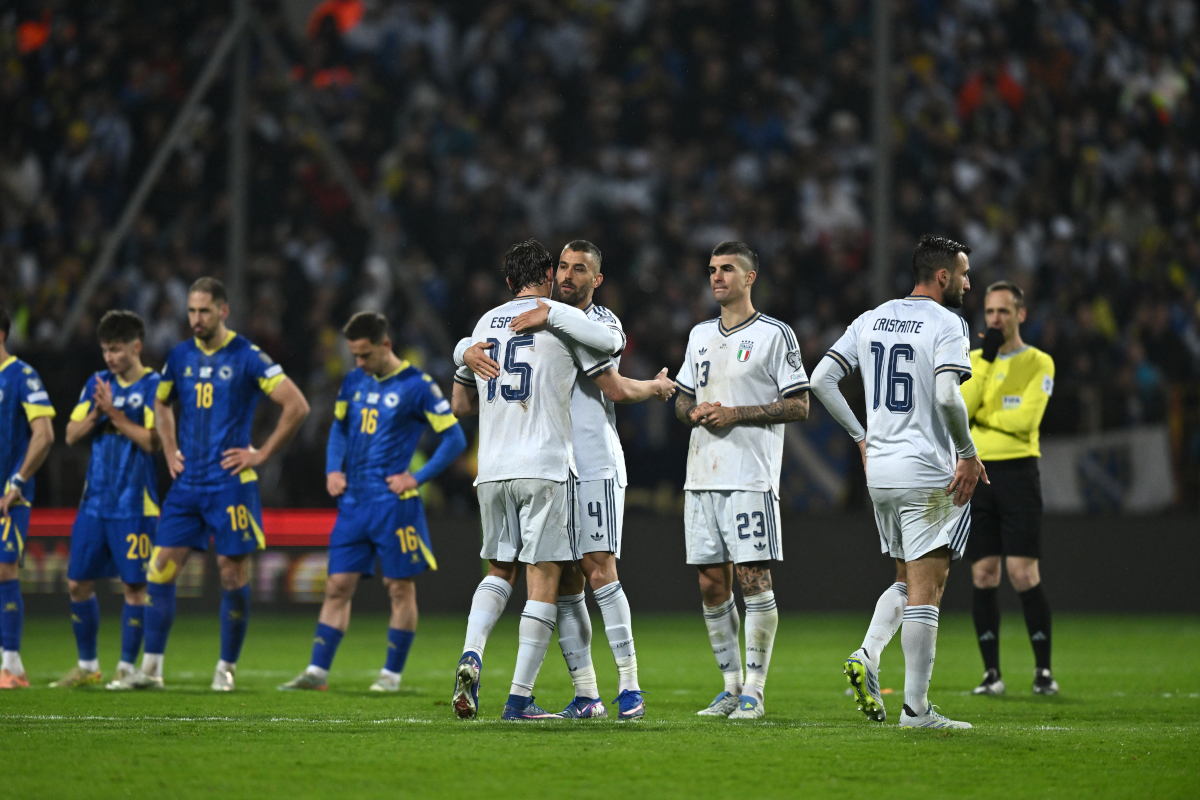
The problem is structural: when the Italian players who do get minutes are spread thin across a league increasingly populated by foreign talent, the national team ends up selecting from a shallow pool of adequately experienced players rather than a deep one.
There is also a cultural dimension worth acknowledging. Italian football used to have a clear identity: defensive intelligence, positional discipline, and the ability to control a game without dominating possession. Foreign players bring different habits, different instincts, and different footballing cultures. Over the past 15 years, Serie A has gradually diluted the Italian footballing identity without replacing it with anything coherent.
The Tactical Trap of the 3-5-2
The tactical monoculture that has gripped Serie A deserves its own examination. The three-man defensive line, typically flanked by wing-backs and supported by a double pivot, became so dominant in Italian football that an entire generation of players was shaped entirely around it.
Coaches at the club level drilled these systems relentlessly, and national team coaches inherited players who were almost incapable of functioning comfortably in other structures.
The 3-5-2 and its variants are not inherently bad systems. They can be devastatingly effective. But when every team plays roughly the same shape, and every player is trained for roughly the same roles, tactical flexibility disappears.
International football demands adaptability. Opponents study you, adjust at half-time, and expose predictability. Italy has repeatedly looked rigid and one-dimensional against teams that had simply done their homework.
The inability to change shape mid-game, to press differently, or to attack with genuine unpredictability has cost the Azzurri crucial points in qualifying campaigns that should not have been as close as they were.
Beyond the shape itself, the style of football prioritised in Serie A has drifted away from the technical development that creates world-class individuals. Wing-backs need to be athletic and functional. Central midfielders need to be positionally disciplined. These are useful qualities, but they are not the qualities that produce a player capable of creating something from nothing in a tight World Cup qualifier against a well-organised opponent.
Governance, Politics, and Missed Opportunities
Italian football’s administrative failures have compounded the on-pitch problems. Plans for youth development reform have been drawn up, presented, and quietly shelved.
Figures with genuine footballing knowledge have been brought in as advisors or technical directors, only to find their recommendations ignored or their access blocked by the political machinery of the Italian Football Federation. The gap between stated ambition and actual action has been consistent and damaging.
The cycle tends to repeat itself: a crisis occurs, prominent former players are brought in to add credibility to a reform project, announcements are made, and then the underlying power structures quietly reassert themselves.
Real change requires dismantling those structures, which is precisely what the people who control them have no incentive to do. Until Italian football is governed by people whose primary concern is the quality of the product on the pitch rather than the preservation of their own institutional position, the deeper problems will remain unresolved.
Three consecutive World Cup absences are not bad luck. They are the logical outcome of decisions made. and not made, over the better part of two decades. The talent still exists in Italy, as occasional glimpses in youth tournaments confirm. But talent without a functioning system to develop and deploy it produces exactly what Italy keeps serving up: promise, disappointment, and another cycle of outrage that changes nothing.
Until the league itself changes, until Italian players are given real minutes in real matches, the national team will keep arriving at qualifying campaigns with the same structural disadvantages, no matter who is coaching them.