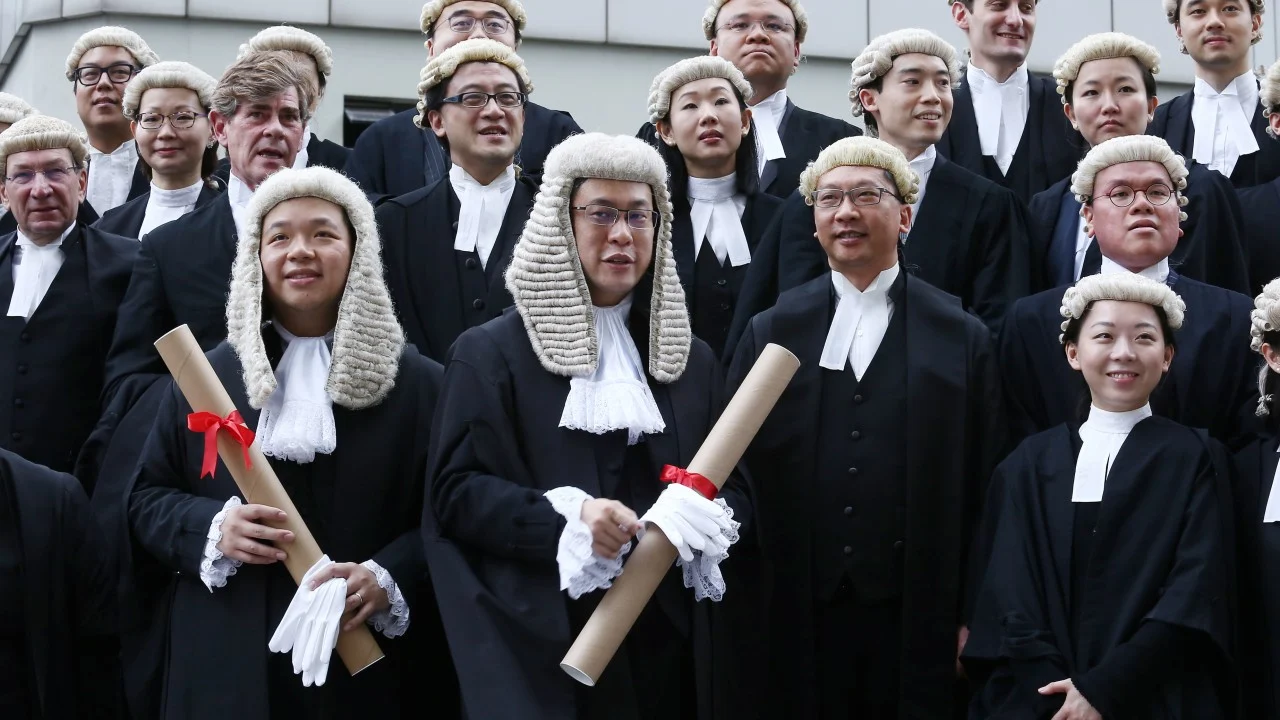
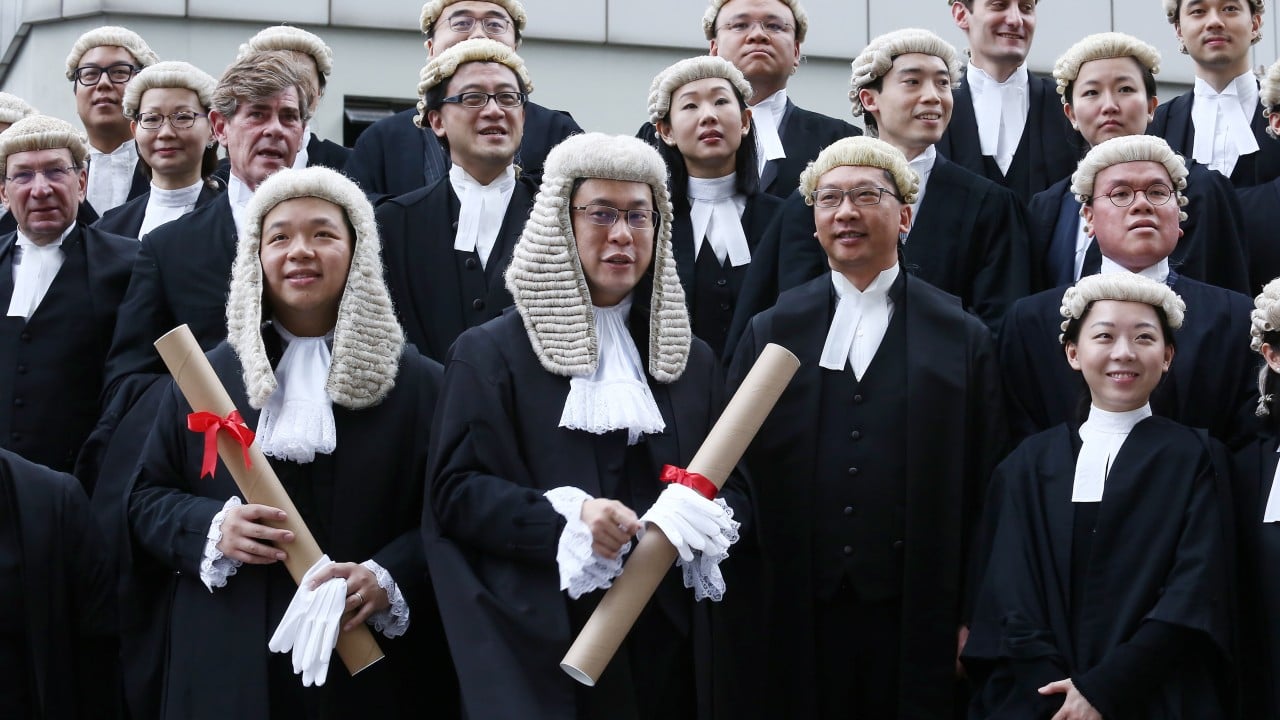
Few moments at the Bar are more joyful and surreal than watching one’s former pupil take silk: pride, disbelief and the sudden realisation that someone you still instinctively think of as “junior” is now being bestowed with unmistakable senior seriousness.
Last Saturday was, therefore, a sentimental moment for me as I watched my former pupil, Bonnie Cheng, being honoured with the new status at the ceremony.
As the old saying goes, every barrister wants to take silk – until one does. The great comfort of being a junior is that, whenever confronted with a truly horrifying point of law, one can always telephone one’s leader.
When I took silk in 2015, I discovered the difficulty with “promotion”: there is suddenly nobody left to call. The rank is therefore not so much a reward as a transfer of responsibility. One is no longer expected merely to argue cases well, but to lead – not only in advocacy, but in judgment, temperament and service to the profession.
Along with the flattering titles comes a much heavier sense of duty. That, historically, is exactly what silk was meant to signify.
The rank emerged in Tudor England as “His or Her Majesty’s Counsel learned in the law” – royal advisers specially entrusted by the Crown to counsel on the interests of the realm. They were not simply successful lawyers or shrewd financial advisers, but people in whom institutional confidence had been placed.