The Indian rupee crashed to a fresh record low of 95.55 against the US dollar as fears over a fragile US-Iran ceasefire pushed oil prices above $105 per barrel, intensifying concerns over inflation and India’s import bill.
INDIA: The Indian rupee crashed to a fresh record low of 95.55 against the US dollar on Tuesday, intensifying concerns across financial markets as escalating tensions between the United States and Iran continued to shake global energy and currency markets. The rupee declined 0.2% in early trade, breaching its previous lifetime low of 95.4325, reflecting growing panic among investors over rising geopolitical instability and soaring crude oil prices.
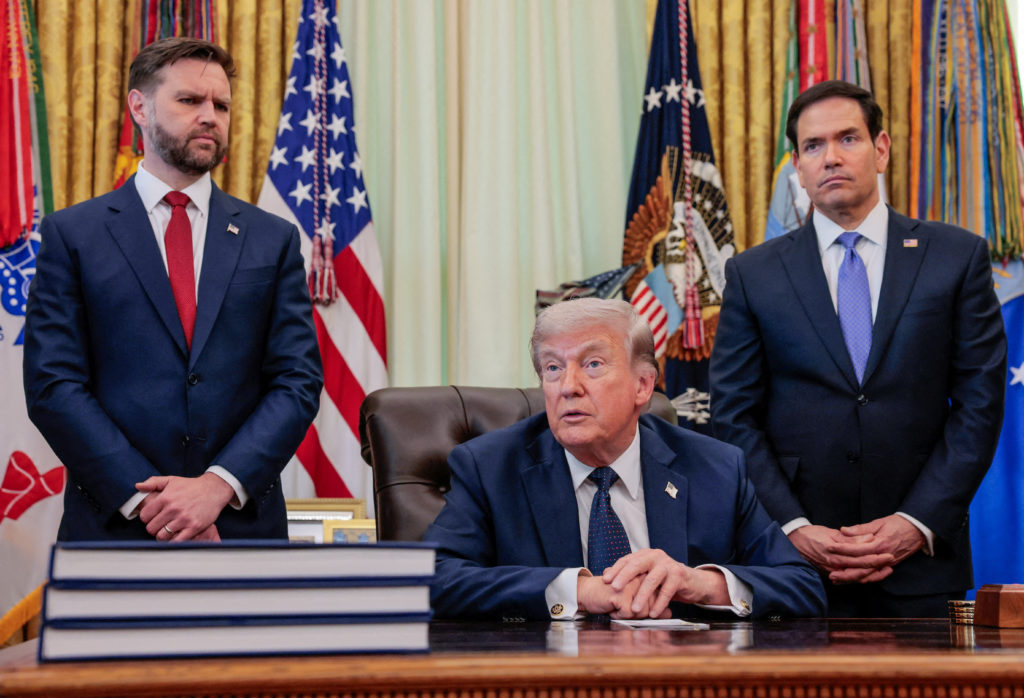
The latest currency shock followed comments from US President Donald Trump, who stated that the ceasefire agreement with Iran was currently “on life support.” Trump highlighted unresolved disputes surrounding the lifting of US naval restrictions, restoration of Iranian oil exports, compensation demands linked to war damages, and continued military activity in the region. These developments reignited fears of prolonged instability in the Persian Gulf, a region critical to global oil supplies.
Ready to lead the Indian rupee crashed?
Discover the regional trends and growth factors shaping the industry. We’re here to assist with expert, personalized data.
Call +1 303 800 4326 or Send us a message for a personalized consultation.
As a result, Brent crude prices jumped above $105 per barrel, marking nearly a 46% increase since the Iran conflict erupted in late February. The surge in oil prices is becoming a major economic threat for India, which depends heavily on imported crude oil to meet domestic energy demand. Economists warn that sustained high oil prices could significantly increase India’s import bill, worsen the current account deficit, accelerate domestic inflation, weaken consumer spending, and place additional strain on the Reserve Bank of India’s monetary policy decisions.
The currency decline also triggered broader turmoil in Indian financial markets. During the previous trading session, the rupee had already fallen 0.88%, while benchmark equity indices Sensex and Nifty witnessed sharp declines as investors moved away from risk-sensitive assets. Banking, aviation, automobile, and logistics stocks faced heavy selling pressure due to concerns over rising fuel and operational costs.

Global financial markets also reacted negatively to the renewed uncertainty. Several Asian currencies weakened, US Treasury yields moved higher, and US equity futures slipped as traders assessed the risk of prolonged geopolitical conflict disrupting global trade and energy supply chains.
In response to mounting economic concerns, Prime Minister Narendra Modi on Sunday urged citizens and industries to adopt fuel conservation measures, increase work-from-home arrangements, and reduce non-essential imports and travel to help preserve India’s foreign exchange reserves and manage the impact of higher crude prices.
Foreign institutional investors have also turned increasingly cautious. According to exchange data, overseas investors sold Rs 84.38 billion worth of Indian equities on Monday, marking the largest single-day foreign outflow since April 24. Analysts believe continued volatility in oil markets and currency depreciation could further reduce foreign investment inflows in the coming weeks.
Market experts now warn that if tensions between the US and Iran escalate further or oil prices continue climbing, the Indian rupee could face additional downside pressure, potentially forcing policymakers to intervene more aggressively to stabilize financial markets and protect economic growth momentum.
- Indian rupee opened weak as rising global crude oil prices and a strengthening US dollar increased pressure on emerging market currencies.
- According to Anil Kumar Bhansali, Head of Treasury and Executive Director at Finrex Treasury Advisors LLP, the rupee came under pressure after Brent crude crossed USD 105.75 per barrel and the US dollar index moved closer to the 100 mark.
- The US dollar index, which measures the strength of the dollar against six major global currencies, was trading 0.08% higher at 99.67.
- Brent crude oil prices initially surged to nearly USD 107.50 per barrel amid geopolitical tensions linked to the US-Iran conflict.
- Oil prices later eased slightly, with Brent crude futures trading 0.78% lower at USD 107.1 per barrel, after reports that US President Donald Trump postponed planned strikes on Iranian power plants by 10 days.
- The sharp rise in oil prices continues to raise concerns for India’s import-dependent economy, especially regarding inflation, fuel costs, and the widening trade deficit.
- Indian equity markets also witnessed heavy selling pressure during morning trade.
- The Sensex plunged 926.92 points to 74,346.53, reflecting weak investor sentiment amid global uncertainty.
- The Nifty declined 280.95 points to 23,025.50, dragged lower by losses in banking, energy, and auto stocks.
- Foreign institutional investors (FIIs) remained cautious and continued selling Indian equities.
- According to exchange data, FIIs sold equities worth Rs 1,805.37 crore on a net basis on Wednesday, adding further pressure on domestic financial markets.

FPI Exodus, Mexico Tariffs Fuel Record Low – Expert Warnings
Currency analysts attributed the latest decline primarily to heavy foreign portfolio investor (FPI) outflows from both Indian equity and bond markets. According to market experts, overseas investors have continued reducing exposure to Indian assets amid concerns over slowing global demand, volatile commodity prices, and geopolitical uncertainty.
Analysts also pointed to India’s record trade deficit and rising external pressures as major reasons behind the rupee’s weakness. Adding to investor concerns, Mexico recently imposed fresh 50% tariffs on selected Indian goods, raising fears about export competitiveness and additional pressure on India’s trade balance.
Market experts believe the rupee may remain highly volatile in the coming weeks. Currency strategists expect the USD-INR pair to trade in a broad range between 89.50 and 91.40, depending on foreign capital flows, global dollar movement, and progress in international trade negotiations.
Despite the weakness in the rupee, analysts noted that optimism surrounding a potential India-US trade agreement could offer intermittent support to the currency. However, investors remain cautious ahead of key economic data releases from both the United States and China, which could further influence global market sentiment.
The falling rupee has also significantly impacted commodity markets, particularly gold. Due to currency depreciation and strong safe-haven demand, gold prices in India have surged nearly 60% this year, increasing pressure on consumers and import costs.
Financial experts highlighted that domestic market dynamics are also contributing to the currency decline. While importers continue aggressively purchasing US dollars to hedge against rising costs, many exporters are reportedly delaying dollar conversions in anticipation of further rupee depreciation. This imbalance between dollar demand and supply has intensified pressure on the Indian currency.
Meanwhile, the Reserve Bank of India (RBI) has remained active in the foreign exchange market to reduce excessive volatility. However, analysts believe the central bank is currently focused on maintaining orderly market conditions rather than defending any fixed exchange rate level.
Indian equity markets also remained under pressure amid the currency weakness, with investor sentiment turning cautious due to concerns over capital outflows, geopolitical tensions, and rising import costs. Analysts warn that unless global conditions stabilize and foreign investment flows improve, the rupee could continue facing downside pressure in the near term.
Rupee depreciation and its impact on investments
In the recent past, there has been lot of apprehensions on the weakening of our currency, and rightly so. For a perspective on the extent of weakening of INR, over the past few decades, it depreciates on an average 2.5% to 3% per year against the U.S. Dollar.
We as a growing economy import a lot, higher than our exports, and to manage this, our currency depreciates. The issue in the recent past has been that in 2025-26, INR moved from 85.53 to the greenback on March 31, 2025 to 92.76 on March 30, 2026 i.e. a depreciation of 8.45%. If we look at the intermediate low point of 94.71 on March 23, 2026, till that point of time, our currency had depreciated 10.73%. How does this impact you?
Equity investments
The exchange rate does not have much of a direct impact on the equity market, as long as you are investing in India.
Currency depreciation does have a negative impact on sentiments in the market, but the market is the confluence of ‘n’ number of factors, and we see the movement as the cumulative effect.
The correction we are witnessing in the equity market is due to multiple reasons e.g. selling by foreign portfolio investors (FPIs), crude oil price flaring up, etc., and rupee depreciation is just one of those reasons. This is not something under your control and you need not worry much about this.
Debt investments
Weaker currency leads to something called imported inflation. As an example, when we import crude oil, there is a certain price in U.S. dollars. That gets converted to our currency at the prevailing exchange rate. Weaker the currency, higher is the landed price.
This adds to our inflation. High inflation is a negative for both equity and bond markets, but more so for the bond market as inflation is a bigger variable for interest rates. A weak INR would contribute to imported inflation going forward.
The RBI, in the policy review on April 8, 2026, projected consumer price inflation at 4.6% in 2026-27. For this projection, the RBI assumed normal monsoon (which is a question mark now), crude oil price at $85/ barrel (lower than current prevailing price) and INR at 94 (weaker than current level). That is to say, currency weakness has already been factored in, for projecting inflation at 4.6%. Going forward, if currency does not depreciate significantly from current level, it should not be a major concern for your investments.
We discussed so far, the adverse impact of rupee depreciation on your portfolio. There are two investment avenues that benefit from this. One is gold. There is an international price of gold denominated in U.S. dollars.
This gets converted to rupees at the prevailing exchange rate. Weaker the rupee, higher is the INR price of gold. History shows that the returns gold has given us, over the decades, while the major part is gold price movement per se (in USD), a substantial chunk is due to weakening of our currency. The learning is, you should have some allocation to gold in your portfolio.
Having said that, allocation to gold should be say 10% of your portfolio, or maximum 15 %. The rationale is, gold is not a mainstream investment like equity or bonds.
The other investment that benefits from currency weakness is global investments. When you invest in stocks or bonds or funds in USA (or any other country), it gets converted from INR to USD (or any other currency). When you redeem your investments, it gets converted back to INR. During the investment period, if rupee depreciates (which it usually does), you get that benefit as well. You can invest abroad though relevant Mutual Fund products available in India. You can invest directly in stocks or bonds or other avenues abroad, which would be part of the Liberalized Remittance Scheme (LRS) limit. Outbound products available at GIFT City are part of the LRS limit.
Expenses
Your expenses in India are impacted due to inflation i.e. purchasing power of rupee comes down progressively. Even if part of this inflation is due to currency weakening, it is not under your control, and you cannot do much about it. Rather, if it is about your expenses abroad, in USA or any other country, then there is something you can do.
Apart from expenses, you can look at investing abroad as part of portfolio allocation and get the benefit of diversification. If and when expenses crop up, which you are envisaging now, you can redeem to the extent required, let it continue.
Unlock exclusive market insights. Blog news—Download the Brochure now and dive deeper into the future of the Market
Top Wealth Management and Treasury Companies Analyzing India’s Rupee Weakness
- BlackRock
Founded: 1988
CEO: Larry Fink
Last Year Revenue: Above USD 20 Billion
BlackRock is one of the world’s leading investment management companies actively influencing global capital markets, currency flows, and emerging market investment strategies. The company plays a major role in monitoring currency volatility and macroeconomic risks through its vast exposure to global equity, bond, and commodity markets. Amid India’s rupee weakness and rising oil prices, BlackRock’s investment allocations and foreign portfolio activities remain closely watched by financial analysts and institutional investors. The company continues expanding its risk-management and economic research capabilities through advanced analytics, global market intelligence, and portfolio diversification strategies. Its strong presence across international financial markets positions BlackRock among the most influential firms shaping investor sentiment during periods of currency and economic instability.
- JPMorgan Chase & Co.
Founded: 2000
CEO: Jamie Dimon
Last Year Revenue: Above USD 160 Billion
JPMorgan Chase & Co. is one of the largest global banking and financial services institutions actively involved in foreign exchange markets, treasury management, and macroeconomic research. The company provides extensive insights into global currency movements, commodity price fluctuations, and emerging market investment trends, including developments affecting the Indian rupee. JPMorgan’s treasury and investment banking divisions support multinational corporations, institutional investors, and governments in managing risks associated with currency depreciation and market volatility. The company also continues investing in digital banking technologies, AI-driven financial analytics, and global economic forecasting tools to strengthen its market intelligence capabilities. Its strong international banking network and leadership in foreign exchange services position JPMorgan among the key financial institutions influencing global currency market dynamics.
- Goldman Sachs
Founded: 1869
CEO: David Solomon
Last Year Revenue: Above USD 45 Billion
Goldman Sachs is a major global investment banking and asset management company actively contributing to financial market analysis, currency forecasting, and global investment advisory services. The company closely tracks developments in emerging market currencies, including the Indian rupee, particularly during periods of geopolitical instability and rising commodity prices. Goldman Sachs provides institutional clients with strategic insights on inflation risks, foreign capital flows, crude oil movements, and global trade conditions affecting currency markets. The company continues strengthening its economic research and digital trading infrastructure to improve market forecasting and investment risk assessment. Its strong expertise in treasury solutions, investment management, and global capital markets positions Goldman Sachs among the leading financial firms analyzing macroeconomic volatility worldwide.
- Morgan Stanley
Founded: 1935
CEO: Ted Pick
Last Year Revenue: Above USD 50 Billion
Morgan Stanley is one of the leading global financial services companies actively engaged in wealth management, treasury advisory, and international market research. The company plays a significant role in evaluating emerging market currencies and investment flows, including the impact of oil prices and geopolitical tensions on the Indian rupee. Morgan Stanley provides economic forecasts, foreign exchange analysis, and investment strategies for institutional and retail clients across global markets. The company has also expanded its focus on AI-powered market analytics and digital wealth platforms to enhance investment decision-making during volatile market conditions. Its broad international presence and strong expertise in capital markets position Morgan Stanley among the top firms influencing global investment and currency outlooks.
- Kotak Securities
Founded: 1994
CEO: Jaideep Hansraj
Last Year Revenue: Above USD 700 Million
Kotak Securities is one of India’s leading financial services and brokerage firms actively providing market intelligence, currency analysis, and investment advisory services related to the Indian rupee and domestic financial markets. The company closely monitors foreign portfolio investment trends, crude oil price movements, inflation risks, and global macroeconomic developments impacting India’s economy. Kotak Securities regularly publishes expert insights on forex volatility, equity market sentiment, and monetary policy expectations to help investors navigate uncertain market conditions. The company continues expanding its digital trading ecosystem, research capabilities, and wealth management services to strengthen investor engagement and financial planning solutions. Its strong presence in India’s capital markets positions Kotak Securities among the key firms analyzing rupee depreciation and economic risks.
- ICICI Securities
Founded: 1995
CEO: Vijay Chandok
Last Year Revenue: Above USD 500 Million
ICICI Securities is a prominent Indian financial services company actively involved in investment research, treasury advisory, and wealth management solutions. The company provides extensive analysis on currency fluctuations, inflation trends, and foreign investment flows affecting the Indian economy and the rupee exchange rate. ICICI Securities supports institutional and retail investors through equity research, forex insights, and diversified investment planning during periods of economic uncertainty. The company continues investing in digital financial platforms, AI-based investment tools, and data-driven market intelligence to improve customer engagement and portfolio management capabilities. Its strong financial market expertise and nationwide client network position ICICI Securities among the leading firms monitoring India’s currency and economic landscape.
- HDFC Bank
Founded: 1994
CEO: Sashidhar Jagdishan
Last Year Revenue: Above USD 25 Billion
HDFC Bank is one of India’s largest private-sector banks actively supporting treasury operations, foreign exchange services, and wealth management solutions for individuals and businesses. The bank plays an important role in monitoring currency movements, managing import-export financing, and providing hedging solutions during periods of rupee volatility and rising global oil prices. HDFC Bank continues expanding its digital banking infrastructure, treasury management systems, and investment advisory capabilities to address evolving market risks and customer requirements. The company also supports corporate clients with forex risk mitigation strategies and liquidity management services. Its extensive banking network and leadership in India’s financial sector position HDFC Bank among the key institutions analyzing and responding to currency market fluctuations.
- Axis Bank
Founded: 1993
CEO: Amitabh Chaudhry
Last Year Revenue: Above USD 15 Billion
Axis Bank is a major Indian private-sector bank actively engaged in treasury services, foreign exchange operations, and investment management activities linked to India’s evolving economic conditions. The company provides currency risk management, import-export financing, and institutional treasury solutions for businesses affected by rupee depreciation and volatile commodity prices. Axis Bank also delivers market research and economic insights covering inflation trends, global trade developments, and foreign capital flows influencing India’s financial markets. The bank continues investing in digital banking innovation, AI-driven financial services, and wealth management technologies to enhance customer experience and financial advisory capabilities. Its growing treasury operations and broad financial services portfolio position Axis Bank among the leading firms monitoring rupee-related market risks.
- Finrex Treasury Advisors LLP
Founded: 2010
CEO: Anil Kumar Bhansali
Last Year Revenue: Privately Held
Finrex Treasury Advisors LLP is a specialized treasury and foreign exchange advisory firm actively providing strategic guidance on currency risk management, forex volatility, and global commodity market developments. The company closely tracks movements in crude oil prices, US dollar strength, and geopolitical tensions affecting the Indian rupee and broader financial markets. Finrex Treasury Advisors supports corporate clients, exporters, and importers with hedging strategies, treasury planning, and forex advisory services during periods of market instability. The firm also provides expert commentary on RBI policy actions, interest rate trends, and global economic risks influencing currency markets. Its focused expertise in treasury advisory and foreign exchange analysis positions Finrex among the key firms analyzing India’s currency fluctuations.
- Choice Wealth
Founded: 2010
CEO: Arun Poddar
Last Year Revenue: Above USD 100 Million
Choice Wealth is a growing Indian wealth management and financial advisory company actively offering investment planning, portfolio management, and market research services amid rising economic uncertainty and currency volatility. The company provides insights into the impact of rupee depreciation, foreign capital flows, gold price movements, and inflation risks on investor portfolios and wealth preservation strategies. Choice Wealth continues strengthening its research capabilities, digital investment platforms, and financial advisory solutions to support retail and institutional investors navigating volatile market conditions. The company also focuses on diversified asset allocation strategies, including global investments and commodities, to reduce portfolio risk during periods of economic instability. Its expanding presence in India’s financial services sector positions Choice Wealth among the emerging firms analyzing macroeconomic and currency-related investment trends.
Unlock exclusive market insights. Blog news—Download the Brochure now and dive deeper into the future of the Market
Conclusion: Expert View by Spherical Insights
India’s rapidly weakening rupee has emerged as one of the biggest financial concerns for investors, policymakers, and businesses as rising crude oil prices, geopolitical tensions, and heavy foreign capital outflows continue to pressure the economy. The combination of the fragile US-Iran situation, surging Brent crude above USD 105 per barrel, widening trade deficits, and persistent FPI selling has significantly increased volatility across currency, equity, and commodity markets. Financial institutions and treasury advisory companies are now playing a critical role in helping investors and businesses navigate currency risks, inflationary pressures, and global market uncertainty. Wealth management firms are also witnessing rising demand for diversified investment strategies, including gold, global assets, and forex-linked instruments, as investors seek protection against rupee depreciation. Going forward, the direction of the Indian rupee will largely depend on global oil prices, geopolitical developments, RBI interventions, and the stability of foreign investment inflows into Indian financial markets.