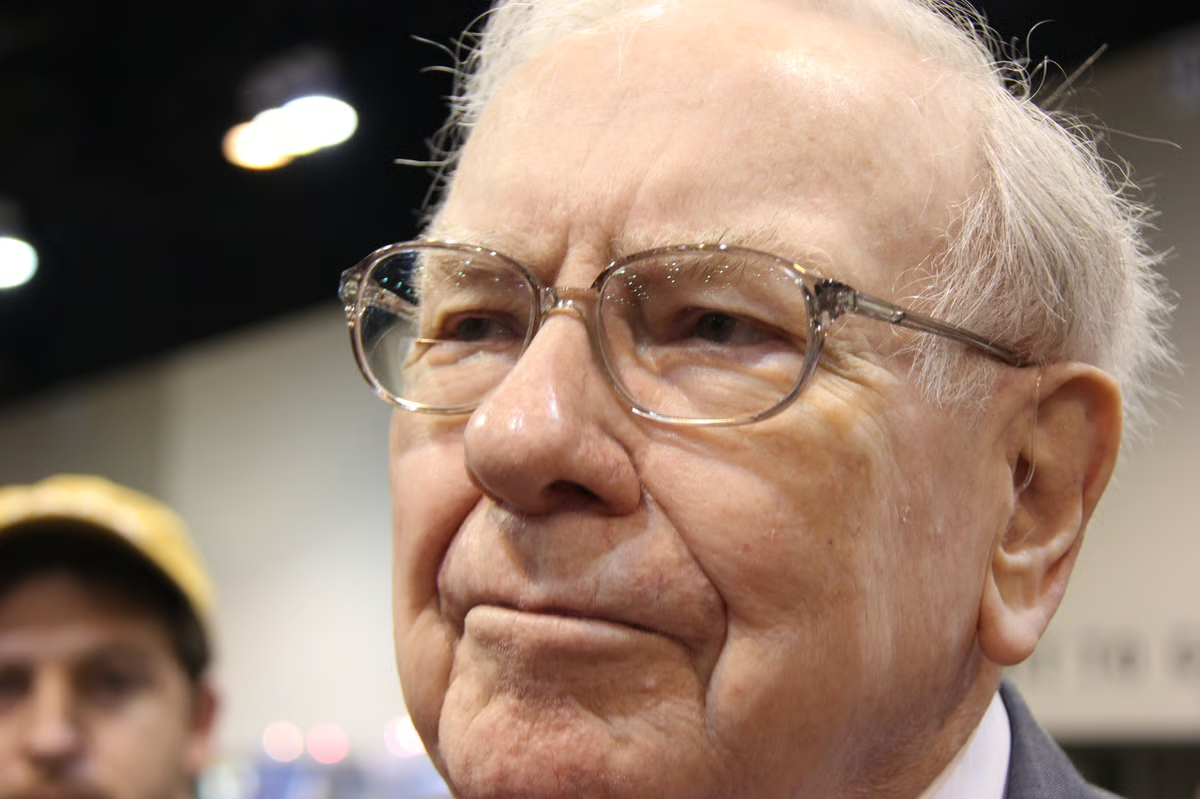
It’s the dawn of a new era on Wall Street — and I’m not talking about the imminent change at the Federal Reserve. After more than half a century at the helm of Berkshire Hathaway (BRKA 0.07%)(BRKB 0.32%), billionaire Warren Buffett has stepped out of the spotlight and handed the reins to his successor, Greg Abel.
But even though the Oracle of Omaha is no longer steering the ship and seeking to add to his greater-than-6,000,000% outperformance of the benchmark S&P 500 (^GSPC +0.77%) since the mid-1960s, it doesn’t mean his investing principles and wisdom don’t continue to echo on Wall Street.
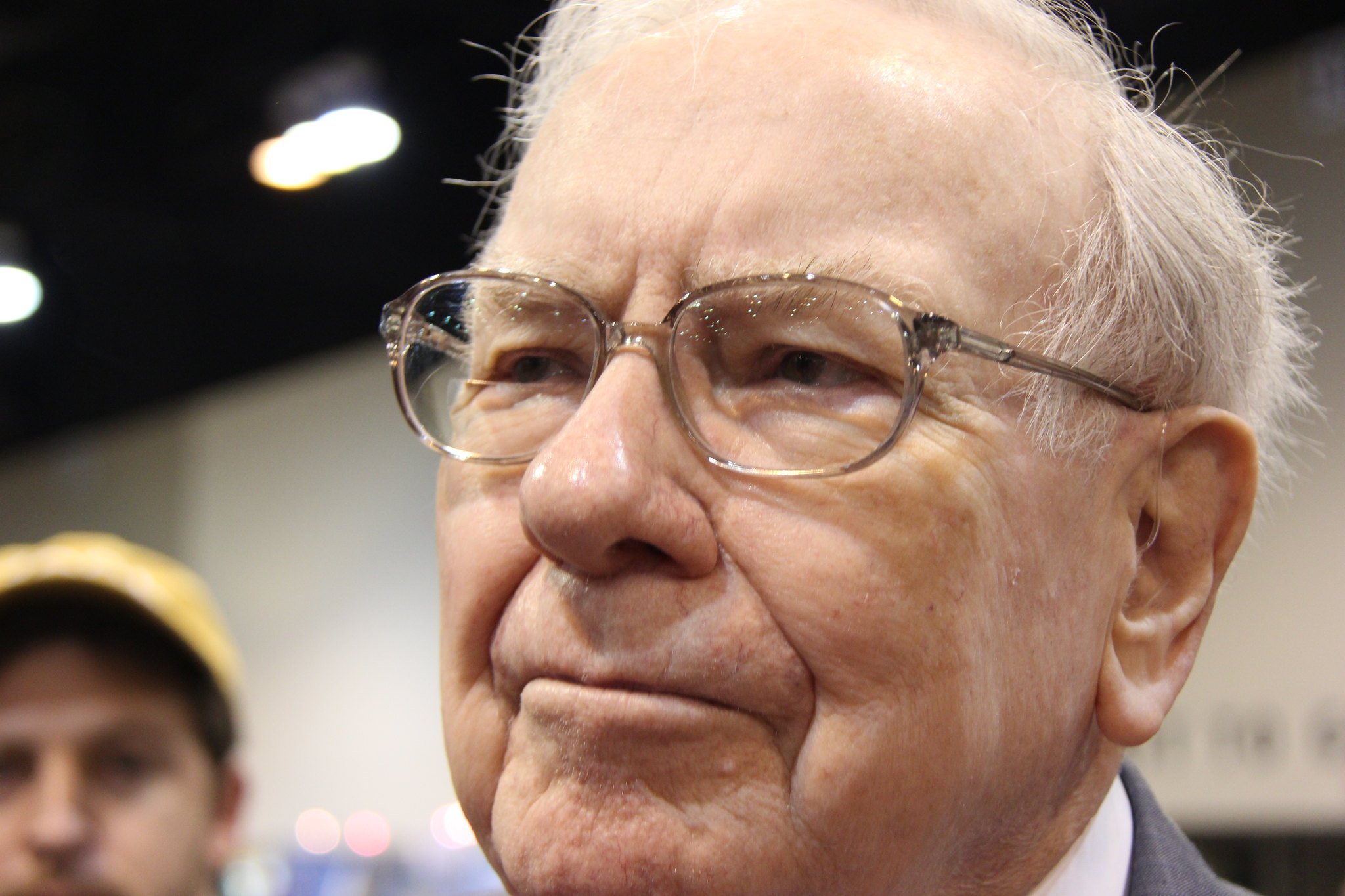
Warren Buffett retired as Berkshire Hathaway’s CEO on Dec. 31, 2025. Image source: The Motley Fool.
If there’s one “Buffett investing rule” that, arguably, has more bearing than others, it’s his emphasis on valuation. While Berkshire’s former boss occasionally bent or broke some of his unwritten rules, he never chased after an investment that he didn’t feel offered a good deal. Value is of the utmost importance — and based on Warren Buffett’s preferred valuation tool, the stock market isn’t offering much in the way of value.
The Buffett indicator has entered uncharted territory
Since 2026 began, we’ve witnessed the Dow Jones Industrial Average (^DJI +0.75%), S&P 500, and Nasdaq Composite (^IXIC +0.88%) all leap to record highs — and valuations have followed.
Among the various ways to evaluate stocks and the broader market, the Oracle of Omaha preferred the market-cap-to-GDP ratio, which is now referred to as the Buffett indicator. It’s calculated by dividing the cumulative value of all U.S. public companies by U.S. gross domestic product (GDP).
In a 2001 interview with Fortune magazine, Buffett labeled the market-cap-to-GDP ratio as “probably the best single measure of where valuations stand at any given moment.” At the time of his interview, the Buffett indicator was slightly above 100%, meaning the total market cap of all U.S. stocks was higher than U.S. GDP.
Stock Market has reached its most expensive valuation in history after the Warren Buffett Indicator crossed 230% for the first time ever 🚨🤯👀 pic.twitter.com/oflmZKfjSy
— Barchart (@Barchart) May 12, 2026
When back-tested to December 1970, the market cap of all U.S. public companies has averaged 88% of U.S. GDP. But as of the closing bell on May 7, 2026, the Buffett indicator hit a fresh all-time high of 231.69%. It’s one of the largest deviations above the mean ever recorded.
Although buzz surrounding the artificial intelligence revolution is fueling investor excitement, history paints a very clear picture of what comes next for stocks. Previous instances where the Buffett indicator moved well beyond its average were eventually met with steep corrections, bear markets, and even the occasional stock market crash.
The historical priciness of the stock market is what enticed Buffett to be a net seller of stocks to the aggregate tune of $187 billion over 13 consecutive quarters leading up to his retirement.
While Berkshire’s now-former boss will be the first to tell you that trying to time the stock market is a fruitless endeavor, the Buffett indicator’s 56 years of historical data firmly foreshadow trouble for Wall Street.