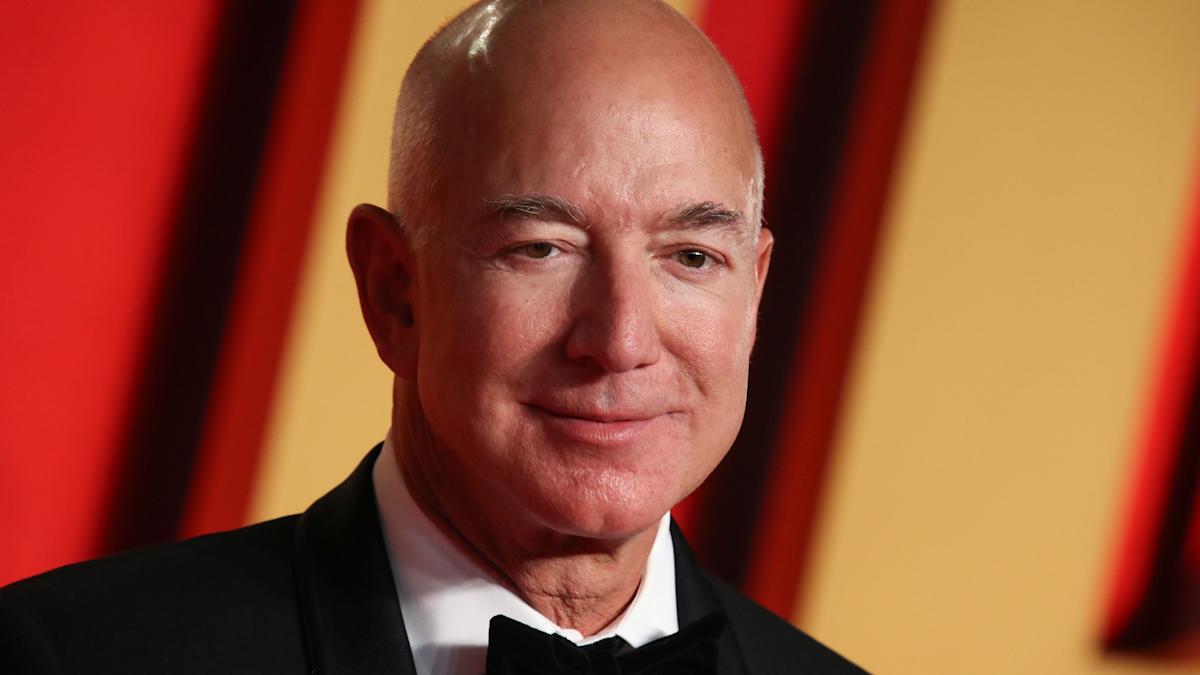
In 2023, Jeff Bezos posted a nostalgic Instagram video from his pre-super-yacht days in Amazon’s first makeshift home office in Seattle in 1994. It was the backdrop for an announcement that he was moving from Amazon’s birth city to new digs in Florida, purportedly to be closer to his parents in Miami.
Discover More: If Bezos’ Wealth Was Evenly Distributed Across the US, How Much Would We Get?
Read Next: 10 Subtly Genius Moves All Wealthy People Make With Their Money
Unlike the video, however, another reason for the relocation was anything but sentimental.
Just one year later, Forbes reported that the move had saved Bezos nearly $1 billion in 2024 alone, thanks to the Sunshine State’s tax policy, which is far friendlier to the investor class than that of Washington state, which Bezos left behind.
Low State Taxes Are Good for Most, but Great for the Rich
Low-tax states attract wealth because low state taxes disproportionately favor the wealthy — and high earners might consider following Bezos’ lead. Consider the following points from a Kiplinger analysis.
-
No-income-tax states often offset lost revenue with high sales taxes and other regressive flat taxes, which disproportionately burden low-income earners.
-
Municipalities often levy higher property taxes, which larger salaries can more readily absorb.
-
Some low-tax states, such as Texas and Florida, struggle to fund public schools and transportation, which the rich rely on less than ordinary households.
-
Others, such as Alaska, have high living costs, which consume a smaller share of wealthy households’ budgets.
-
In others, including Nevada, housing markets can be competitive — and higher earners have an advantage in bidding and borrowing.
Try This: 9 States With No Income Tax — Lower Your Tax Bills by Moving to These States
When Investments Are Your Income, Capital Gains Taxes Matter Most
The wealthy tend to derive a majority of their income from investment returns, which are taxed at a far more favorable capital gains rate than ordinary earned income at the federal level, allowing them to pay a lower tax rate than many average earners.
For people like Bezos — and millions of other high earners who Forbes doesn’t cite as having a $216.3 billion net worth — reducing or eliminating capital gains taxes at the state level can mean five-, six-, or, in the case of Bezos, nearly 10-figure savings.
An Easy Billion for Bezos
Forbes notes that Bezos stopped selling Amazon stock in January 2022, the same month his then-home state, Washington, enacted a 7% tax on long-term capital gains over $250,000.