Does the jobs report make a sound if it falls when the stock market is closed?
Investors got an answer to that question on Monday, and it seemed to be “no.”
Will AI create the world’s first trillionaire? Our team just released a report on the one little-known company, called an “Indispensable Monopoly” providing the critical technology Nvidia and Intel both need. Continue »
The March employment report came out on Good Friday, when the stock market was closed, and the results were surprisingly strong. The U.S. economy added 178,000 jobs last month, and the unemployment rate fell from 4.4% to 4.3%, coming at a time when markets have been panicked over the Iran war and surging oil prices. That was the biggest monthly job gain since December 2024, and easily beat estimates at 60,000 jobs added.
Bond yields rose on Friday in response to the news, as the strong jobs report made it less likely that the Fed would cut interest rates. In fact, forecasters now expect the Fed funds rate to hold steady at 3.5%-3.75% for the year.
On Monday, stocks rose modestly with the S&P 500 (SNPINDEX: ^GSPC) finishing 0.4%, though the major thrust of the gains seemed to be President Trump’s deadline to Iran, as he threatened to step up attacks on Tuesday if Iran didn’t reopen the Strait of Hormuz.
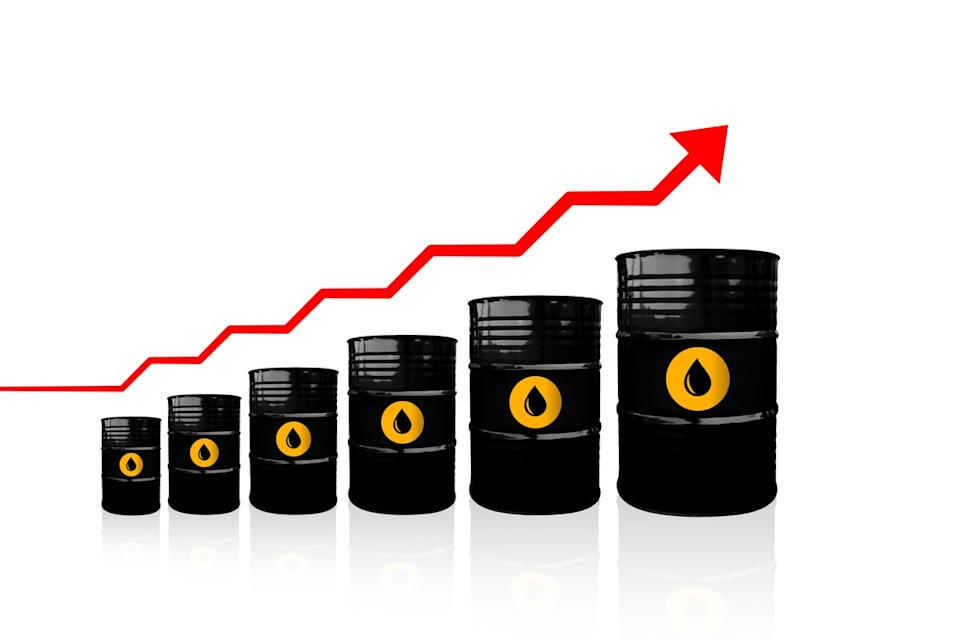
As a result, the impact of the March jobs report on the stock market wasn’t clear as investors seemed more focused on events in Iran and oil prices, which have topped $110/barrel for Brent crude, the global standard.
Investors might assume that better-than-expected job growth is good for the stock market, especially at a time when investors are worried about a recession, but that isn’t always the case. Stocks are also sensitive to interest rates and forward expectations for interest rates, so rising bond yields tend to put downward pressure on the stock market. However, a weakening labor market isn’t good for stocks either, though investors may like the short-term boost from falling interest rates.
While the jobs numbers were better than expected, economists said it’s too early for the labor market to capture any response to the conflict in Iran.
For now, oil prices, the status of the Strait of Hormuz, and the duration and outcome of the war are likely to be the main drivers of the stock market, though investors should keep their eyes on economic reports like inflation, employment, and retail sales to see how the U.S. economy is holding up during the oil shock.