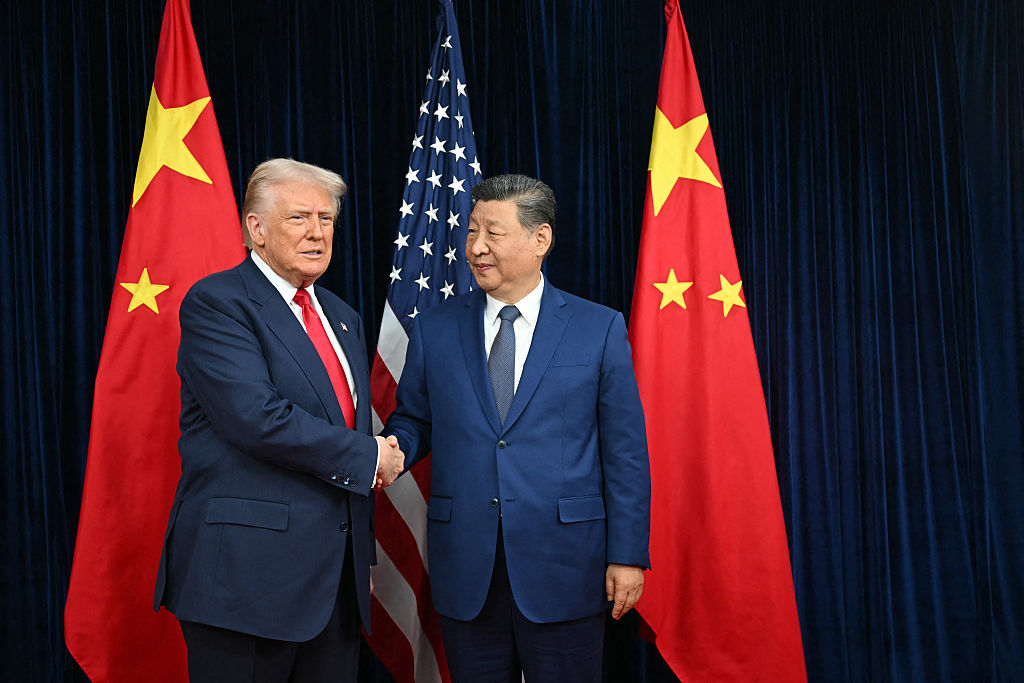
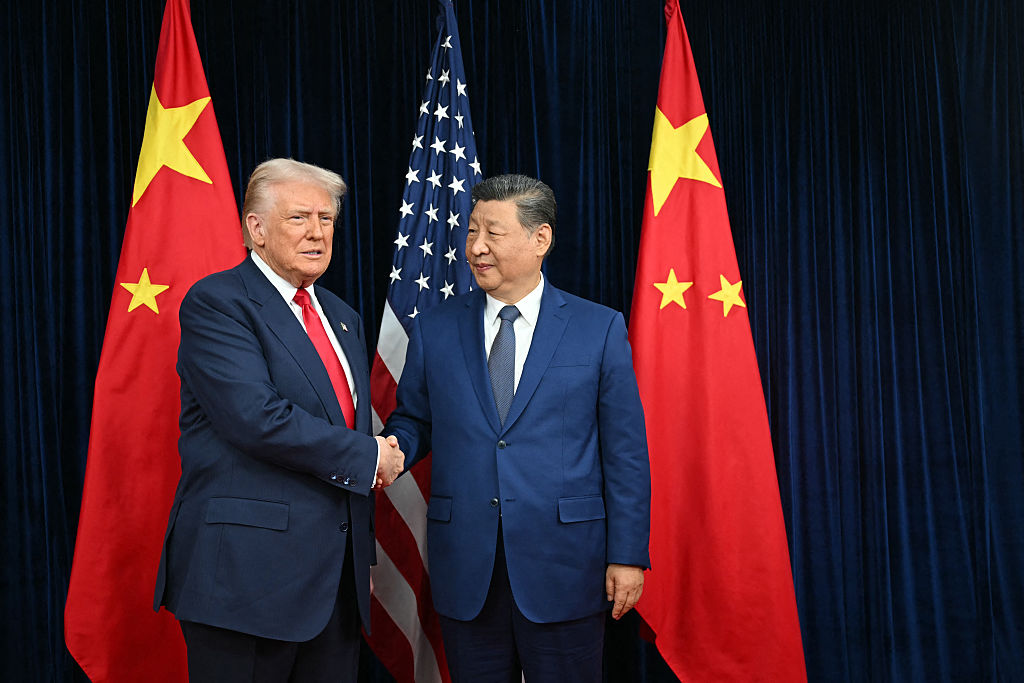
Chinese President Xi Jinping has a change of heart when it comes to the trade policies and practices that Beijing has long deployed to dominate the global market.
In a stunning and entirely believable turn of events, Chinese President Xi Jinping announced on April 1 that his nation will totally and immediately cease a litany of marketing-distorting trade practices that the United States, the European Union, and the World Trade Organization have long criticized. Instead, he pledged to “just see how things go with free and fair market competition, for a change.”
President Trump and Xi were in the midst of trade negotiations that launched with the imposition of
Among the sweeping reforms, China has promised to:
- Discontinue intellectual property (IP) theft and eliminate any products or systems that have benefitted from stolen IP. America’s Federal Bureau of Investigation (FBI) reports that approximately “80% of all economic espionage prosecutions brought by the Department of Justice (DOJ) allege conduct that would benefit the Chinese state, and there is at least some nexus to China in around 60 percent of all trade secret theft cases,” but that changes today.
- Replace state subsidies with handwritten notes of encouragement. Rather than pouring billions of dollars into Beijing’s favored industries, like autos, China will now leave personalized notes reading, “You’ve got this!” on factory doors. Industries that have previously been identified as part of Beijing’s military-civil fusion plan will be singled out not with a glut of state money but rather a “Hang in there!” cat poster.
- Reverse course on overcapacity. From now on, China’s going to focus on growing demand from its domestic market and pump the brakes hard on over-production. When asked why Beijing had dumped its excess production into the global market, Xi said, “Oops. My bad.” In the coming months, excess Chinese steel and aluminum inventory will be repurposed into commemorative “We Learned Our Lesson” paperweights.
- Commit to a labor rights glow-up. Forced labor will be rooted out from China’s whole supply chain. Will entire industries lose their hold on the global market? “Yeah, probably,” Chinese officials said. Forced labor camps will be disbanded and repurposed into Uyghur and Tibetan culture preservation centers. Chinese companies that have established factories in other countries, like BYD’s auto plant in Brazil, will institute fair pay as well as safe and healthy working conditions.
In a related development, Chinese regulators announced the formation of a new oversight body: the Ministry of Totally Transparent Compliance, which will publish real-time updates on policy changes “for anyone who still doesn’t believe us.”
In Washington, policymakers welcomed the announcement while checking their calendars. “If true, this would mark a historic shift, not only for China but the entire world,” an anonymous U.S. trade official said. “Beijing’s market distortions have plagued the United States for decades, forcing the closure of countless factories across our country and loss of millions of valuable community-supporting jobs. This complete reversal of China’s playbook is unexpected, to say the least.”
Global markets reacted to the news with similar skepticism and a noticeable uptick in the sales of flying pigs.
At press time, sources confirmed that unicorn sightings are also up 300%.
Happy April Fools’ Day from the Alliance for American Manufacturing, where we’ll keep pushing for REAL reforms! China has long promised to change the practices and policies that have given its industries an enormous advantage in the global market, but we’ve yet to see structural change. Check our blog tomorrow for an in-depth look at one action the U.S. can take that would recognize just how recalcitrant Beijing has been.