Published on
March 23, 2026

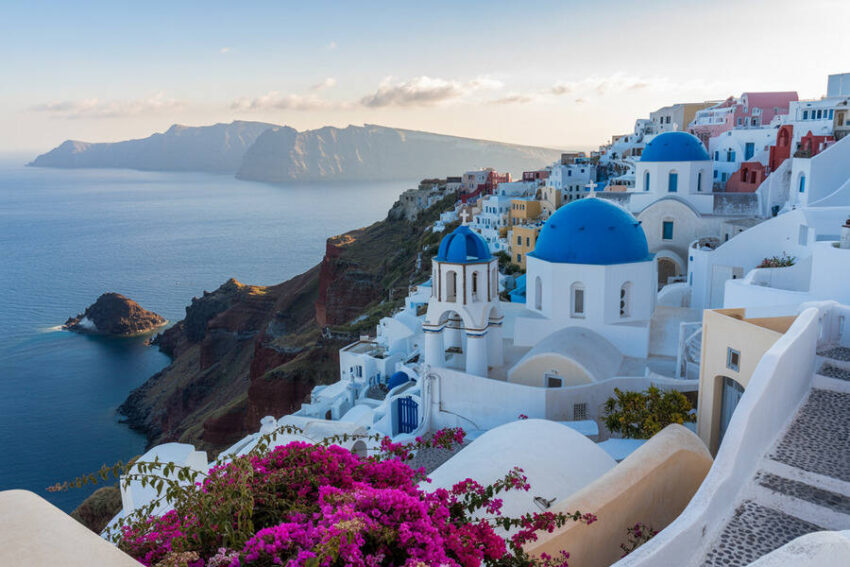
Image generated with Ai
United Kingdom overtook Turkey, Germany, the United States, France, and more countries in boosting Greece’s tourism with an impressive over five percent increase in international arrivals. This surge is driven by several key factors, including enhanced flight capacities from the UK, competitive pricing due to favorable exchange rates, and effective marketing campaigns targeting British travelers seeking Mediterranean destinations. The UK’s dominance in contributing to Greece’s record-breaking tourism growth signals a broader shift in European travel patterns, positioning Greece as the Mediterranean’s premier gateway for both leisure and cultural tourism.
The Mediterranean’s allure is undeniable. With its picturesque coastlines, rich history, and vibrant culture, Greece has long been one of Europe’s most coveted tourist destinations. However, in 2025, the country’s tourism landscape underwent a remarkable transformation. For the first time in recent memory, the United Kingdom surged ahead of major competitors, including Turkey, Germany, the United States, and France, contributing to an extraordinary over five percent increase in international arrivals. This surge marks a significant shift in travel dynamics and cements Greece’s position as Europe’s premier aviation and tourism destination.
This article takes a deep dive into how the UK, along with other countries, is reshaping the tourism narrative in Greece. From airline capacity boosts to strategic tourism initiatives, let’s explore the forces at play that are making Greece the Mediterranean’s top gateway.
United Kingdom Leads the Charge: A Shift in the Tourism Landscape
The United Kingdom’s dominance in boosting Greece’s tourism in 2025 is a key highlight of this surge. As Europe’s fastest-growing tourism destination, Greece experienced a 5.5% increase in air arrivals from the UK alone, surpassing the growth rates seen from traditional powerhouses like Germany, Turkey, and the United States. This milestone is not just a product of changing travel preferences but also reflects strategic actions by both governments and airlines.
British Airways, EasyJet, and Ryanair, along with other carriers, have ramped up their flight offerings to Greece, particularly to Athens, Crete, Rhodes, and Thessaloniki. Increased capacity on these routes has fueled an influx of British travelers, many of whom are seeking Mediterranean escapes that promise value without compromising on the experience.
Moreover, the favorable exchange rate between the pound and the euro has further incentivized British tourists to visit Greece. As travel costs in other European destinations rose, Greece’s competitive pricing made it an attractive option for those looking to stretch their vacation budgets further.
Advertisement
Advertisement
Additionally, marketing efforts targeting British travelers, such as digital campaigns highlighting Greece’s world-class beaches, historic sites, and delectable cuisine, have contributed significantly to the increase in visitor numbers. As the British economy stabilized, the country’s middle class and affluent travelers turned towards Mediterranean getaways, making Greece their preferred choice.
Germany’s Growing Influence: The Strongest Recovery From Central Europe
Germany, historically one of Greece’s strongest source markets, continues to play a pivotal role in the tourism boom. In fact, Germany now ranks as one of the largest contributors to international arrivals, with approximately 8.1 million Germans visiting Greece in 2025, marking a 31% increase year-over-year.
Advertisement
Advertisement
This boost is largely driven by the Lufthansa Group and Ryanair, which have dramatically expanded their flight capacities from major German cities like Frankfurt (FRA), Munich (MUC), and Berlin (BER) to various Greek destinations. Lufthansa has especially dominated the Athens-Germany route with daily services and added seasonal flights to island destinations, making Greece a go-to destination for both leisure and business travelers.
The increase in German visitors is also closely tied to the recovery in Central European leisure travel and the growing preference for destinations like Greece, which offer year-round sunshine, rich history, and convenient flight options. German travelers tend to gravitate towards island experiences in places like Rhodes, Crete, and Thessaloniki, where their interest in cultural tourism, nature exploration, and leisure activities are catered to perfectly.
Greece’s appeal to German tourists can also be attributed to the cultural connection between the two countries, with shared historical ties and a love for Mediterranean food and lifestyle. Airlines have seized this opportunity by offering special promotions, discounted packages, and flexible booking options, which have further spurred German travel to Greece.
Turkey’s Role in the Mediterranean: Overtaken by Neighboring Competitors
Turkey has long been one of Greece’s key tourism competitors. However, in 2025, Greece managed to surpass Turkey in inbound air arrivals, thanks to the consistent growth of the country’s aviation infrastructure and the country’s appeal as a vacation destination that offers a diverse range of experiences.
While Istanbul and Antalya remain popular hubs for Turkish tourism, many Turkish travelers now prefer Greece for its proximity, affordability, and ease of access from major Turkish cities like Istanbul, Izmir, and Ankara. The demand for Greek islands like Kos, Rhodes, and Crete has continued to increase, with Turkish airlines offering enhanced capacity on routes to these destinations.
Although the inflationary pressures faced by the Turkish economy have impacted travel budgets for many Turkish citizens, Greece’s competitive pricing and vibrant tourism offerings remain attractive. This has helped bolster Greece’s position as the top travel destination in the Mediterranean.
The United States: A Growing Market with Immense Potential
On the other side of the Atlantic, the United States has long been one of the top markets for Greece, with many American tourists flocking to the country’s historical landmarks, sandy beaches, and scenic islands. The US’s contribution to Greece’s tourism growth in 2025 is substantial, with an impressive 18% rise in visitor arrivals, totaling about 6.2 million.
Increased air travel capacity from major US cities like New York, Chicago, and Los Angeles has opened new doors for Americans looking to explore Greece. Airlines such as Delta Airlines and American Airlines have strengthened their transatlantic flight networks, while Greek carrier Aegean Airlines has expanded direct flights between Greece and key US cities.
The shift in American tourist habits, combined with a growing appreciation for European vacations, has encouraged more Americans to seek Greece as their summer or shoulder-season destination. The country’s reputation for luxury hotels, pristine beaches, and cultural heritage continues to resonate with affluent Americans, particularly those in the baby boomer and millennial demographics.
France: A Classic Mediterranean Destination with Steady Demand
While France has historically been a key player in the European tourism market, it now faces competition from neighboring countries like Greece. In 2025, France maintained its position as a top contributor to Greece’s tourism growth, despite being overtaken by the UK and Germany in overall growth rates. France’s steady demand reflects an enduring preference for Mediterranean destinations close to home, as Greek islands continue to attract French vacationers seeking both relaxation and cultural exploration.
Flights from major French hubs like Paris (CDG), Nice, and Marseille to Greek cities like Athens, Thessaloniki, and Santorini remain consistently popular, with new routes being added by both low-cost carriers and full-service airlines.
French travelers are particularly drawn to Greece’s cultural attractions, such as the Acropolis, Olympia, and Knossos, and the French market remains an important source of visitors who prefer historical tours, Mediterranean cuisine, and beach resorts.
Diversified Tourism: How Greece is Boosting its Tourism Beyond Traditional Hotspots
One of the most significant changes to Greece’s tourism landscape is the diversification of arrivals. In response to the growing demand and the pressures of overtourism on cities like Athens, the Greek government has actively promoted lesser-known destinations such as Thessaloniki, Crete, and Rhodes. This shift aims to reduce the pressure on high-traffic areas, while simultaneously boosting tourism revenues across the islands and regional airports.
Secondary airports, including Heraklion (Crete) and Rhodes-Diagoras (RHO), have experienced explosive growth, with passenger numbers exceeding 40% annually. The increase in regional tourism is in part due to government-led initiatives, including better air connectivity, upgraded infrastructure, and more direct flights from Germany, the UK, and Northern Europe.
What Travelers Need to Know About Greece in 2026
Travelers looking to visit Greece in 2026 can expect a booming travel market with competitive prices, especially in the shoulder seasons (May-June, September-October). For those traveling from Germany, the United Kingdom, or the United States, booking flights well in advance is essential, as capacity expansion on major routes means higher demand, particularly for flights to Athens, Crete, and the islands.
Carriers such as Lufthansa, Aegean Airlines, Ryanair, and EasyJet will continue to offer frequent services, while new routes are expected to be added between key US cities and Greece.
Additionally, travelers can enjoy more authentic experiences in lesser-known regions as Greece’s tourism infrastructure continues to expand to accommodate a larger number of international visitors.
The year 2025 marked a monumental moment for Greek tourism, with the United Kingdom leading the charge in boosting Greece’s popularity, outpacing key competitors like Germany, Turkey, the US, and France. This shift is not only a reflection of changing traveler preferences but also a testament to Greece’s ongoing investment in its tourism infrastructure, marketing, and competitive offerings.
United Kingdom overtook Turkey, Germany, the United States, France, and more countries in boosting Greece’s tourism with an over five percent increase in international arrivals, driven by increased flight capacity, favorable exchange rates, and targeted marketing efforts that made Greece a top destination for British travelers.
For tourists seeking Mediterranean warmth, cultural experiences, and incredible landscapes, Greece has cemented itself as the premier destination. With strategic capacity expansions and diversified regional tourism, the future looks bright for both visitors and the Greek tourism industry.