I’m an ex-barista and a self-professed coffee snob. I’d rather drink no coffee than bad coffee, which is why I tend to sip on matcha or standard black tea if I’m short on time.
When I have all the time in the world, though, I make a mean flat white. The espresso drinks I make nowadays genuinely taste the same, if not better, than the beverages I busted out in my coffee shop days. And it’s all down to these three things: 1) one of the best coffee grinders (Comandante C40 MK4), 2) the #1 best espresso machine (Breville Bambino Plus), and the most unassuming of all? A coffee scale.
Article continues below
My top coffee scale recommendations
What is a coffee scale?

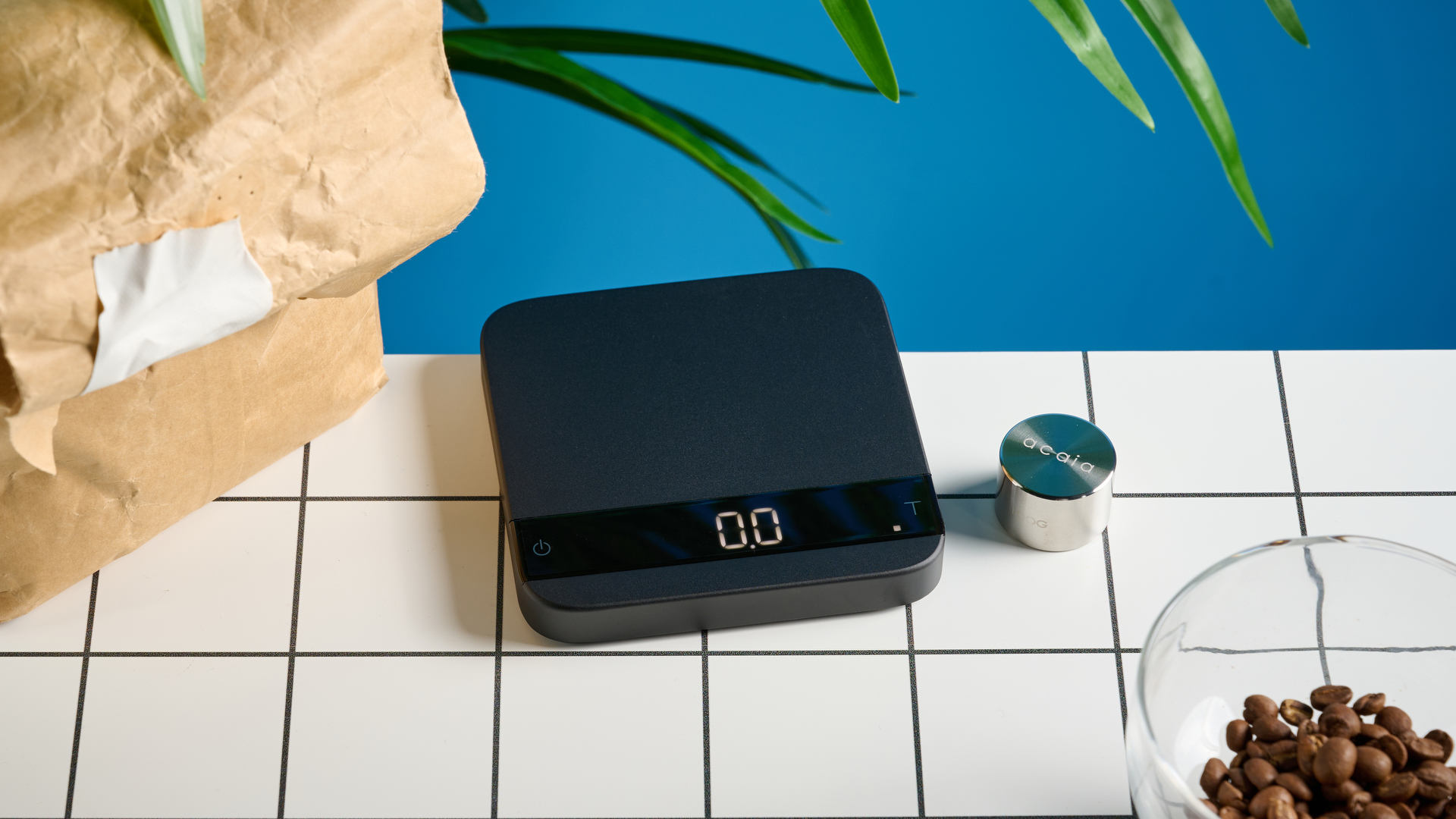
A coffee scale is effectively a digital kitchen scale. However, there are a few key differences: size, functionality, and (sometimes) waterproofing.
Coffee scales must have a timer. This is so you can ensure your espresso is extracting in the correct time, or, if you’re a pour-over person, you’re allowing your coffee to bloom and process in under three minutes (or thereabouts).
Functionally, a coffee scale must do two things: weigh and time. Extra features are cool and nice, but they’re not a necessity. Some coffee scales, like the Fellow Tally Pro and the Acaia Lunar ($189 and $270, respectively), have brew assist modes and Bluetooth flow rate calculations that sync to your phone and make a graph on an app.
Yeah. That’s just a bit much, isn’t it? Sure, I’d love to own one of these fancy scales, but at the end of the day, I don’t have $270 to spend on what is a glorified kitchen scale. Really, no one should be spending more than $50 on a coffee scale.

Lastly, you’ll want some kind of waterproofing or water resistance. Again, this isn’t a necessity, but if you’re prone to spills, you don’t want the scale to call it a day and disappear into the Great Beyond.
Usually, only pricier scales have said waterproofing, but I’ve tested the Timemore Black Mirror Basic 2 ($60) and the Felicita Arc ($110), both of which are marketed as waterproof/resistant.
Don’t tell Wacaco, but I’ve been getting my Exagram Pro wet for well over a year and it’s still going strong.
What does a coffee scale do?
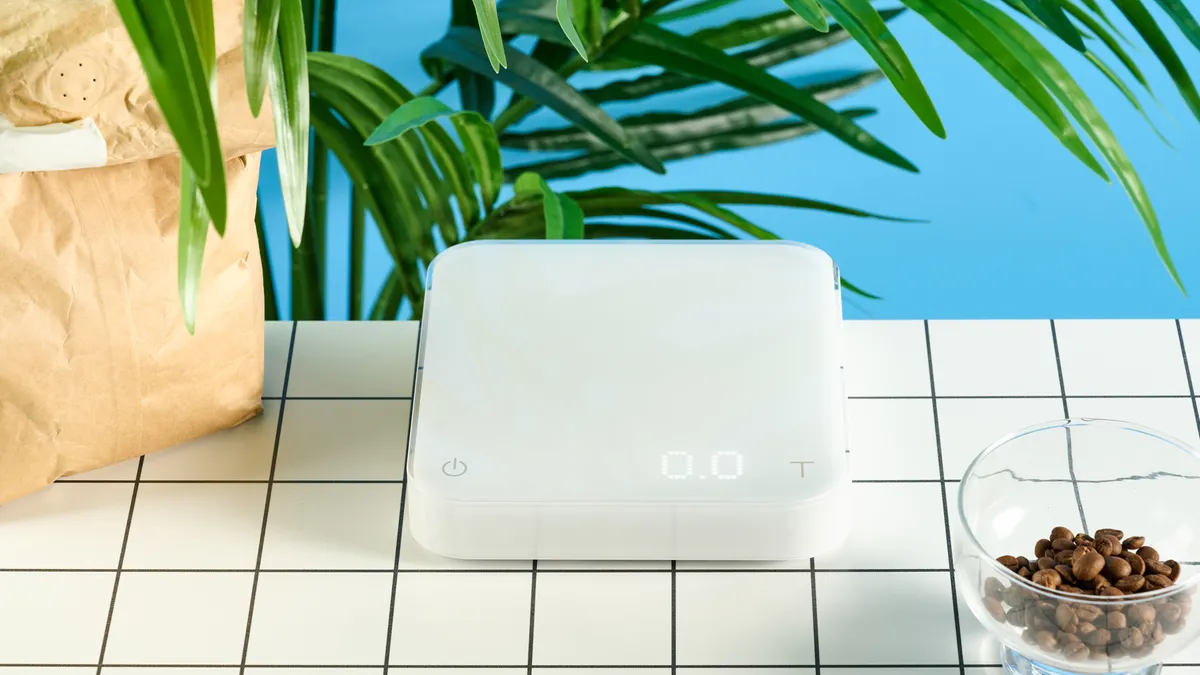
In short, a coffee scale helps you craft consistently professional-quality coffees.
There are three key principles of espresso: grind, dose, and time. You want to use the correct grind size for your brewing method; you want to use the correct amount of coffee; and you want to let that coffee brew for the correct amount of time.
Think of it like baking. If the recipe said 1 pound of flour, you wouldn’t substitute that for 1 pound of cornmeal, right? If the recipe called for 3 eggs, you wouldn’t use zero eggs and double the amount of butter, right?
Coffee is the same. You want to use 12-14g of finely ground coffee for a single shot, and 18-21g of finely ground coffee for a double shot.
After dosing the correct amount of coffee, you want to get double that weight out within 25-28 seconds.
How will you know all this without a coffee scale? This is what baristas are doing in cafes, by the way — all the machines are programmed to make consistent, identical espresso shots one after the other. Home espresso machines require a little more input from you, but that’s all part of the fun.

I’ve been using my Wacaco Exagram Pro since January 2025 and my espresso drinks have never tasted better. I genuinely don’t go to cafes for coffee now — only to support local businesses and soak up the ambiance — because I know my flat whites are just as good (and cheaper) than a coffee house’s.
Do you think you’ll get a coffee scale? Let me know in the comments!

Follow Tom’s Guide on Google News and add us as a preferred source to get our up-to-date news, analysis, and reviews in your feeds.