Published on
March 21, 2026
By: Tuhin Sarkar

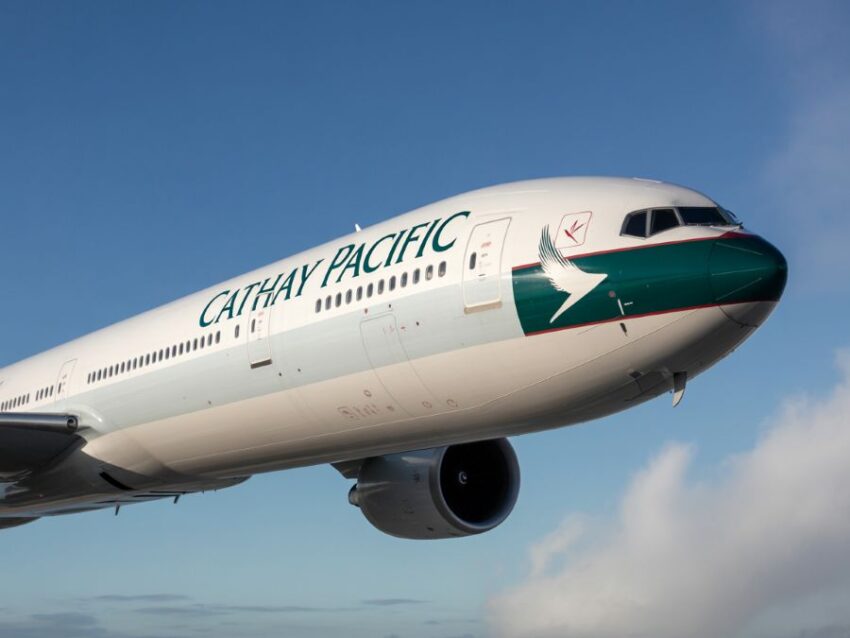
Image generated with Ai
Cathay Pacific revives Hong Kong to Seattle route with A350-900. Cathay Pacific revives Hong Kong to Seattle route with A350-900 again. This move is strategic. It is timely. It is powerful. Powering transpacific travel growth fast is now essential. Demand is rising. Long-haul travel is returning. Therefore, Cathay Pacific revives Hong Kong to Seattle route with A350-900 to capture this surge. Meanwhile, powering transpacific travel growth fast strengthens global connectivity.
Moreover, Cathay Pacific revives Hong Kong to Seattle route with A350-900 to rebuild its network. This route connects key markets. It links Asia and North America directly. Consequently, powering transpacific travel growth fast supports business, tourism and cargo flows.
However, this is more than recovery. It is repositioning. Cathay Pacific revives Hong Kong to Seattle route with A350-900 to reinforce its hub strength. At the same time, powering transpacific travel growth fast increases competition and opportunity.
Travel And Tour World urges readers to read the entire story. Because Cathay Pacific revives Hong Kong to Seattle route with A350-900 is not just a relaunch. It is a signal. And powering transpacific travel growth fast defines the next phase of global aviation.
Advertisement
Advertisement
Why is Cathay Pacific relaunching the Hong Kong to Seattle route now?
Cathay Pacific is returning to Seattle. The route resumes on March 30. This decision reflects recovery. Long-haul demand is rising again. Travel restrictions have eased. Passenger confidence is improving. Airlines are rebuilding networks. Cathay Pacific is restoring key routes. Seattle is important. It connects business and leisure markets. The relaunch is strategic. It signals growth. It shows confidence in transpacific travel. This is not random. It is planned. It aligns with global aviation recovery trends. The airline is positioning itself strongly in the US market.
What makes Seattle a critical destination for Cathay Pacific?
Seattle is a major US gateway. It has strong economic activity. The city hosts global technology companies. Business travel demand is high. There is also a large Asian community. This supports consistent passenger flow. Seattle connects to other US cities. This improves network reach. For Cathay Pacific, this is valuable. It strengthens its North American presence. The route supports both business and leisure travel. Seattle’s importance is growing. It is a strategic market for long-haul airlines.
Advertisement
Advertisement
How does this route strengthen Hong Kong’s role as a global hub?
Hong Kong is a major aviation hub. It connects Asia with the world. The Seattle route enhances this role. Passengers can transit through Hong Kong. They can reach multiple Asian destinations. This increases connectivity. It also improves efficiency. Airlines rely on strong hubs. Hong Kong provides this advantage. The route supports hub operations. It attracts more passengers. It strengthens the network. This is essential for long-haul success. Hong Kong remains a key player in global aviation.
Why is the Airbus A350-900 ideal for this long-haul service?
The Airbus A350-900 is a modern aircraft. It is designed for long distances. It offers fuel efficiency. This reduces operating costs. The aircraft also improves passenger comfort. Cabins are quieter. Air quality is better. Seats are more spacious. This enhances the travel experience. Airlines prefer efficient aircraft. It improves profitability. It also supports sustainability goals. The A350-900 is suitable for transpacific routes. It balances capacity and efficiency. This makes it ideal for this service.
What does the five-times-weekly frequency indicate about demand?
Five weekly flights show strong confidence. This is not a limited test. It reflects expected demand. The airline anticipates steady traffic. Both business and leisure segments are targeted. The frequency allows flexibility. Passengers have more options. It also supports connectivity. High frequency improves reliability. It strengthens the route. This level of service indicates commitment. Cathay Pacific is investing in this market. It expects long-term growth.
How will this route impact transpacific travel dynamics?
The route strengthens transpacific connectivity. It provides a direct link. This reduces travel time. It improves convenience. Passengers benefit from fewer connections. Airlines benefit from increased demand. Competition will increase. Other carriers may respond. This creates a dynamic market. Prices may adjust. Service quality may improve. The route adds capacity. It enhances travel options. This impacts the entire region. Transpacific travel becomes more competitive.
What role does cargo play in this route’s strategy?
Cargo is important. The A350-900 supports freight operations. Seattle is a logistics hub. It handles high-value goods. Technology products are common. E-commerce demand is rising. Airlines benefit from cargo revenue. It complements passenger income. This improves profitability. The route supports trade. It connects Asia and North America. Cargo demand strengthens route viability. It ensures consistent revenue. This dual role is critical.
How does this relaunch reflect broader aviation recovery trends?
Aviation is recovering. Airlines are restoring routes. Demand is returning. Long-haul travel is stabilising. This relaunch reflects that trend. Cathay Pacific is rebuilding its network. It is focusing on key markets. This is a global pattern. Airlines are adapting. They are expanding carefully. Recovery is not complete. But progress is clear. This route is part of that recovery. It signals confidence in the future.
Who are the primary passengers for this route?
The route serves diverse passengers. Business travellers are key. Seattle’s economy supports this. Leisure travellers are also important. Tourism demand is rising. The route also supports transit passengers. Hong Kong connects to Asia. This expands options. The mix of passengers ensures stability. It reduces risk. Airlines benefit from diversity. This strengthens the route. It ensures consistent demand.
What competitive challenges could Cathay Pacific face?
Competition is strong. Other airlines operate transpacific routes. Some offer one-stop connections. Pricing competition is intense. Airlines must differentiate. Service quality becomes important. Cathay Pacific is known for premium service. This is an advantage. However, competition remains. Market conditions can change. Demand may fluctuate. The airline must adapt. It must remain flexible. This ensures long-term success.
Could this route expand further in the future?
Expansion is possible. If demand grows, frequency may increase. Daily service could be introduced. Additional US routes may follow. Cathay Pacific may strengthen its network. This depends on performance. Airlines rely on data. They monitor demand closely. Growth will be strategic. It will be controlled. The potential is strong. This route could become a key link.
Conclusion: A strategic relaunch shaping transpacific connectivity
Cathay Pacific’s return to Seattle is significant. The cause is rising demand and network recovery. The answer lies in restoring key routes. The reason is long-term growth and competitiveness. This route strengthens connectivity. It supports business and tourism. It enhances Hong Kong’s hub role. It reflects global aviation recovery. Cathay Pacific is positioning itself strongly. The future of transpacific travel is evolving. This route is part of that transformation.