Published on
March 20, 2026

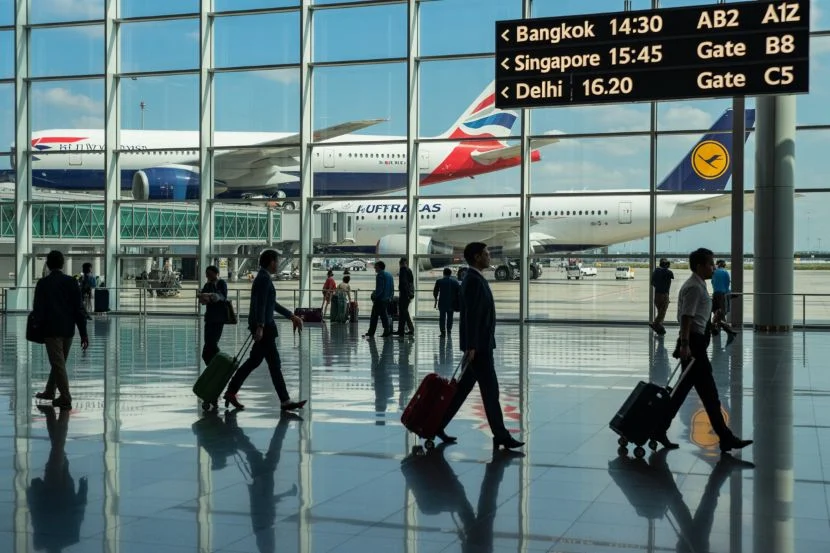
Image generated with Ai
European airlines are swiftly adjusting their schedules as geopolitical tensions in the Middle East continue to disrupt conventional flight corridors. London, Paris, and Munich have become pivotal departure points for travelers heading to Asia, including hotspots like Bangkok, Singapore, and Delhi. With airspace over Gulf countries such as Dubai, Doha, and Abu Dhabi facing operational challenges, carriers are increasing direct and last-minute flights to meet rising demand. The surge highlights both the strategic role of European hubs and the resilience of global aviation networks in maintaining connectivity. For tourists and business travelers, this shift offers new opportunities to reach popular Asian destinations without relying on traditional Gulf transit routes.
Strategic Flight Adjustments by Leading European Airlines
British Airways has ramped up flights from London Heathrow to Singapore and Bangkok, offering additional services on select days this week. These changes ensure smoother travel for passengers navigating the altered global airspace landscape.
Air France is responding with extra flights from Paris-Charles de Gaulle to Bangkok, Singapore, and Delhi, also deploying larger aircraft on routes to Mumbai, Shanghai, Tokyo, and Phuket to accommodate higher passenger volumes.
The Lufthansa Group, including Austrian Airlines, is expanding its long-haul operations from Munich and Frankfurt to Singapore, Cape Town, and Bangkok, demonstrating the flexibility of European airlines to redirect capacity efficiently during regional disruptions.
Advertisement
Advertisement
Asian Airlines Adjust to European Demand
Meanwhile, Asian carriers are also recalibrating schedules. Singapore Airlines has introduced extra flights between London Heathrow and Singapore, utilizing Boeing 777-300ER aircraft with four-class configurations to support travelers affected by the Middle East instability. Thai Airways International has similarly increased flights on the Bangkok-Paris route, reflecting robust demand for direct connections between Europe and Southeast Asia.
Travel Tips for Tourists Navigating These Changes
For tourists planning trips to Southeast Asia or India, these adjustments present both opportunities and considerations:
Advertisement
Advertisement
- Book Early but Check Updates: Airlines are adding last-minute flights frequently; monitoring airline websites can secure favorable fares.
- Flexible Itineraries: Travelers should prepare for dynamic changes in schedules and explore alternative European hubs like Vienna, Frankfurt, and Munich.
- Leverage Direct Routes: With Gulf airports impacted, direct European-to-Asia flights reduce transit risks and save time.
- Consider Travel Insurance: Sudden geopolitical disruptions may cause cancellations or rerouting; comprehensive travel coverage is advised.
The Tourism Angle: Europe to Asia Connectivity
These flight expansions signal a broader trend for tourism. Countries like Thailand, Singapore, and India are now more accessible directly from major European cities, bypassing congested Middle Eastern hubs. Tourism boards are likely to capitalize on this window, offering incentives and updated packages to attract European travelers. For travelers, it means enhanced options to explore Asian metropolises, cultural landmarks, and exotic beach destinations without extensive layovers.
Understanding Passenger Behavior and Airline Strategies
The surge in direct flights reflects the airlines’ strategic approach to mitigating losses caused by regional conflicts. Data from the International Air Transport Association (IATA) shows that transit disruptions in the Middle East typically account for 20–30% of Europe-Asia traffic, emphasizing the significance of alternative routes. By deploying additional flights and larger aircraft, airlines are minimizing inconvenience for passengers and capturing market demand for uninterrupted travel.
Insider Tips for Maximizing Your Trip
- Choose Optimal Departure Airports: Major European hubs such as London Heathrow, Paris-Charles de Gaulle, and Munich are now central gateways to Asia.
- Explore Multi-City Tickets: Connecting multiple Asian cities on one ticket can save both time and costs.
- Timing Matters: Off-peak flights on weekdays often experience lower occupancy, offering more comfortable travel.
- Stay Updated on Airline Announcements: Flexibility is key; airlines continue to adjust flight schedules in response to Middle East airspace conditions.
Expanding Horizons: The Future of Europe-Asia Air Travel
This temporary disruption could reshape long-term airline strategies. European hubs may continue to strengthen direct routes to Asian cities, enhancing tourism and trade opportunities. For travelers, this presents a chance to experience more seamless journeys between continents while discovering cultural and business opportunities in destinations such as Bangkok, Singapore, Delhi, Mumbai, Shanghai, Tokyo, Phuket, and Cape Town.