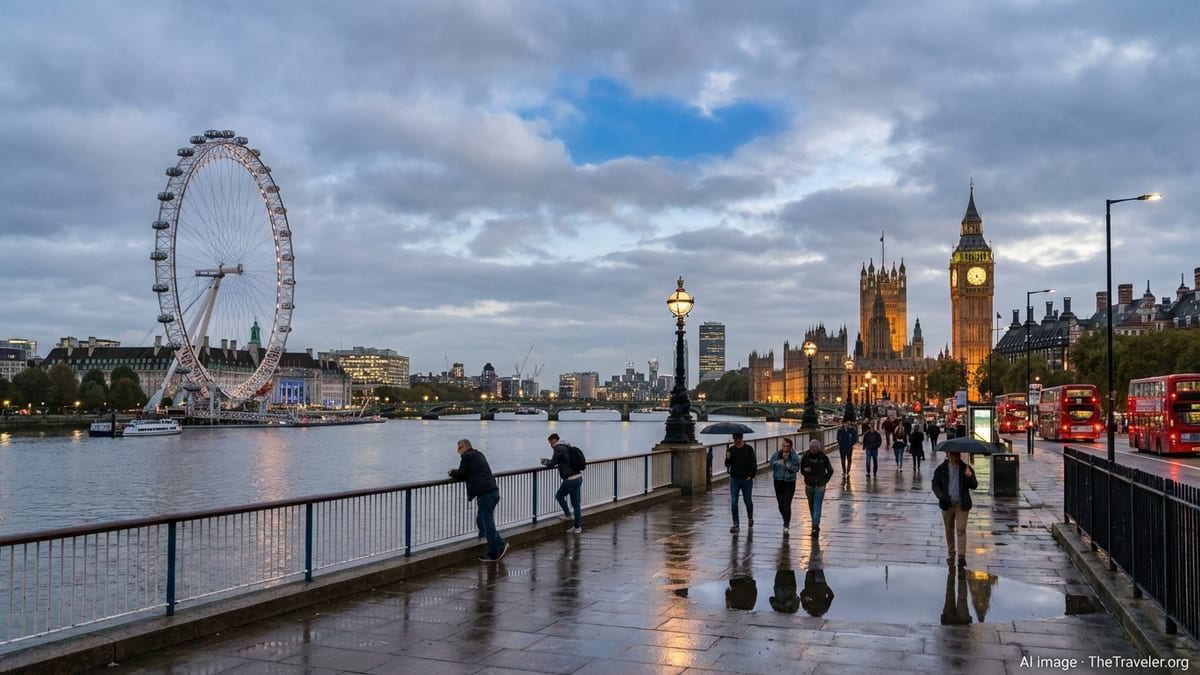
The United Kingdom is one of the world’s most visited destinations, blending historic cities, coastal landscapes and vibrant cultural scenes in a compact area that is relatively easy to explore. For first time visitors, however, the patchwork of countries, new digital border rules and dense transport networks can feel confusing. This guide brings together the key practical information and on the ground insight you need to plan a smooth, enjoyable introduction to England, Scotland, Wales and Northern Ireland.
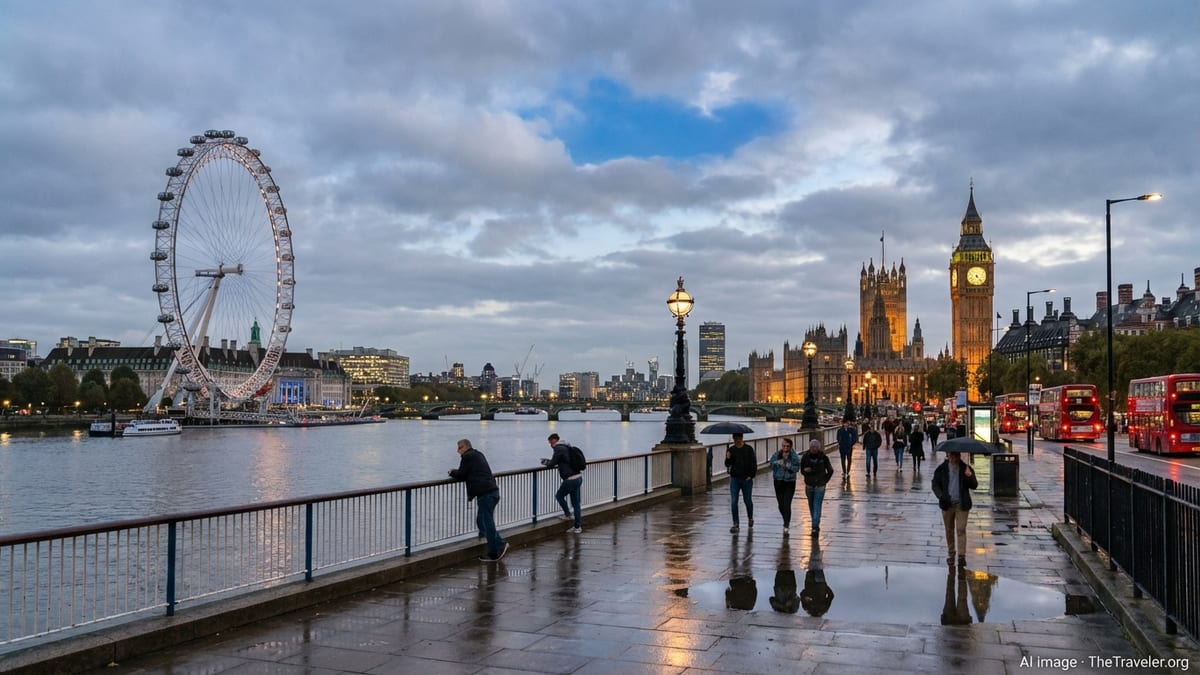
Understanding the UK: Geography, Culture and Travel Seasons
The United Kingdom is made up of four nations: England, Scotland, Wales and Northern Ireland. London, in southeast England, is the main international gateway, but major cities such as Edinburgh, Manchester, Birmingham, Cardiff, Glasgow and Belfast are also important cultural and transport hubs. Distances are short by global standards, and high population density means you are rarely far from a town, historic site or walking trail.
First time visitors are often surprised by how distinct the four nations can feel. Scotland has its own legal and education systems and a strong sense of national identity, visible in everything from the prominence of Gaelic on road signs in parts of the Highlands to its independent-minded politics. Wales has one of Europe’s most vibrant minority languages and a rich choral and rugby tradition. Northern Ireland combines dramatic coastal scenery with a complex history that is best approached with curiosity and sensitivity. England itself ranges from London’s global cosmopolitanism to traditional market towns and rolling countryside.
Weather is famously changeable and is a constant topic of conversation. Summers tend to be mild rather than very hot, with long daylight hours in June and July, particularly in Scotland. Winters are dark and damp more often than snowy, except in higher ground. The most settled conditions for sightseeing often come in late spring and early autumn, but visitors travel year round. Packing layers, a reliable waterproof jacket and comfortable shoes matters more than trying to predict precise temperatures.
Tourism has recovered strongly in recent years, with official data indicating tens of millions of overseas visits to the UK annually and London remaining one of the world’s most visited cities. That renewed demand means advance planning is increasingly important for popular attractions, restaurants and rail journeys, especially in school holidays and during major events. Allowing flexibility in your schedule, however, will help you cope with crowds, weather shifts and the inevitable transport disruption that can occur in such a busy country.
Visas, ETA and Entry Requirements in 2026
Border rules are in a period of change, and first time visitors in 2026 need to pay close attention to the introduction of the UK’s Electronic Travel Authorisation system. From late February 2026, most visitors from countries that previously entered visa free must hold an approved ETA before boarding a flight, ferry or train to the UK. Airlines, Eurostar, Eurotunnel and ferry operators now check ETA status in the same way they check passports, and passengers without digital permission are routinely denied boarding.
An ETA is typically valid for up to two years and permits multiple short stays for tourism and business, usually up to six months in any single visit. The application is completed online through the official government system or app and involves sharing passport details, a photograph and basic background information. Officials advise applying at least three working days before travel, although many applications are decided sooner. Each traveler, including children, needs their own ETA, and the fee is modest but non refundable if the application is refused.
Travelers who are not eligible for an ETA, or who intend to work, stay longer, or study beyond short courses, normally need to obtain a visa instead. The UK is phasing out physical visa stickers in passports in favor of fully digital e-visas linked to an online account, so many applicants now keep their passports while applications are processed. This is convenient but also means you should carry the same passport used in your application and know how to access your online visa record when you travel, in case airlines or border officers ask.
British and Irish citizens do not need an ETA, but dual nationals should be aware of new rules that require those with British citizenship to enter on a British passport or specific proof of status. Everyone else should use the official government guidance for the most up to date information, especially if they have previous visa refusals or criminal records, which can lengthen checks. Transit passengers who pass through UK passport control generally need an ETA or visa, while those remaining airside may not, depending on nationality and route. Given the rapid evolution of digital border systems worldwide, it is sensible to confirm requirements again shortly before your trip.
Money, Costs and Tipping Culture
The UK’s currency is the pound sterling. Banknotes are issued in polymer form by the Bank of England and by separate authorities in Scotland and Northern Ireland; all are widely accepted across the country, though a few small businesses outside Scotland may be slower to recognize Scottish and Northern Irish notes. Debit and credit cards are accepted almost everywhere, including in taxis, small cafes and at many market stalls. Contactless payment is deeply embedded in everyday life, from public transport to supermarkets, so a card or phone wallet often reduces the need to carry large amounts of cash.
Prices vary significantly between London and the rest of the country. London accommodation, transport and eating out can feel expensive compared with many other European cities, though costs can be moderated by staying slightly outside the center, traveling off peak and using supermarket meal deals or casual chains. Regional cities in the Midlands, North of England, Scotland and Wales typically offer better value, with lower hotel rates and more modest restaurant prices. Rural areas can be mixed: you might find good value pub stays as well as high end properties aimed at affluent domestic travelers.
There is no strict rule of thumb for daily budgets because spending power varies widely, but first time visitors often find it helpful to think in rough bands. Budget travelers who stay in hostels or simple guesthouses, use public transport and focus on free museums and walking may manage on a modest daily figure outside London. Those who prefer central hotels, several paid attractions and restaurant dinners will need to set aside more, especially in the capital. Many of the country’s greatest cultural institutions, such as national museums and galleries, do not charge for general admission, which can help balance overall costs.
Tipping is appreciated but more restrained than in North America. In restaurants with table service, it is customary to leave around 10 to 12.5 percent if a service charge has not already been added to the bill. In pubs, tipping bar staff is not expected, though some people will say “and one for yourself” and add a small amount. Rounding up taxi fares is common, while hotel staff may receive a few pounds for help with luggage or housekeeping. You are not obliged to tip for poor service, and it is acceptable to ask to remove an automatic service charge if you genuinely feel it is not deserved.
Getting Around: Transport, Rail Passes and Driving
The UK has dense public transport networks, especially in and between the major cities. Trains are often the fastest way to cover medium and long distances, linking London with Edinburgh, Glasgow, Manchester, Liverpool, Birmingham, Cardiff and many coastal towns. Services can be frequent and comfortable, but fares for long distance journeys can be high if bought at the last minute. Advance tickets purchased for specific trains are usually much cheaper than flexible “anytime” fares. Many visitors also make use of national railcards or international rail passes to reduce costs, although terms, eligibility and savings vary.
Britain’s rail system is operated by multiple private companies under a national framework, which can look confusing to newcomers. In practice, most planning can be done through unified journey planners, and tickets are valid across a range of operators on specific routes. For those planning intensive rail travel, dedicated passes based on the old BritRail concept, or regional passes in Scotland and northern England, can be cost effective, especially off peak. Engineering works and strikes occasionally disrupt service, so building some slack into your itinerary and checking for updates before departure is wise.
In London, the Underground, buses, trams and some rail services are integrated through contactless payment, with daily and weekly caps limiting how much you pay. Visitors can use contactless bank cards or mobile wallets directly at gates and on buses, or purchase an Oyster card and top it up. The system automatically calculates the cheapest combination of fares, provided you touch in and out correctly. Black taxis remain an iconic feature of London and other cities; they are licensed and metered, while ride hailing apps operate alongside them, particularly in urban areas.
Driving can be useful for exploring remote countryside, national parks and smaller villages with limited bus or rail connections. The UK drives on the left, with steering wheels on the right side of the car, which requires extra caution for visitors from right hand driving countries. Motorways and major A roads are generally well maintained, but congestion is common near big cities, and parking can be challenging and expensive. Fuel is sold by the litre and can feel expensive compared with some other parts of the world. In historic city centers, narrow streets, one way systems, congestion charges and low emission zones make driving less convenient than public transport for most visitors.
Where to Go on Your First UK Trip
Most first time itineraries begin in London, which combines world class museums, theatres and restaurants with instantly recognizable landmarks. Highlights often include the British Museum, National Gallery, Tate Modern, Tower of London, Westminster Abbey and the riverside South Bank. Many of these institutions do not charge for general admission, though some special exhibitions carry fees and timed entry. Neighborhoods such as Covent Garden, Soho, Shoreditch and Notting Hill each offer distinct atmospheres, from West End theatre and nightlife to street art and market culture.
Beyond London, visitors often head to compact historic cities where walking is the best way to absorb centuries of architecture. Bath is known for its Georgian terraces and Roman baths, York for its medieval walls and soaring minster, and Oxford and Cambridge for their university colleges and riverside meadows. In these places, day trippers from London share the streets with students and local residents, so staying overnight can reveal a calmer side once coaches depart. Many cities offer free walking routes and published heritage trails that allow you to explore at your own pace.
For dramatic landscapes, the UK’s national parks and coastal paths are among its greatest assets. The Lake District in northwest England offers mountains, lakes and stone built villages, while Snowdonia in Wales and the Scottish Highlands provide wilder terrain and some of the country’s highest peaks. The Cotswolds, Yorkshire Dales and Peak District feature gentler hills and stone cottages, ideal for leisurely walks and pub lunches. Coastal highlights range from Cornwall’s surf beaches and cliff top trails to the rugged coasts of Northumberland, Anglesey and the Causeway Coast in Northern Ireland.
Time permitting, including at least one destination in Scotland, Wales or Northern Ireland can help you appreciate the UK’s diversity. Edinburgh combines a medieval Old Town, elegant New Town and a castle perched on volcanic rock, while Glasgow is famed for its music and contemporary art scenes. Cardiff offers a revitalized waterfront and one of the country’s most centrally located castles, and Belfast provides insight into the island of Ireland’s history alongside Titanic Quarter’s modern redevelopment. Domestic flights link many of these cities, but trains and long distance coaches can be more sustainable and scenic options.
Accommodation, Food and Everyday Etiquette
The UK’s accommodation options range from international hotel chains and boutique properties to budget hostels, serviced apartments and traditional bed and breakfasts. In rural areas and small towns, family run guesthouses and inns provide a chance to experience local hospitality, often with breakfast included. In cities, apartment style short lets offer more space and kitchen facilities, but regulations differ and availability can be affected by local rules designed to protect housing for residents. Booking early is important for peak seasons, major sports events and festivals, especially in Edinburgh during August and in London at Christmas and New Year.
British food culture has changed significantly in recent decades. Classic dishes such as fish and chips, roast dinners and full cooked breakfasts remain popular, but most cities now offer wide ranging international cuisines reflecting diverse communities. Pubs play a central social role and increasingly cater well for vegetarians and those seeking lighter options. Many visitors enjoy sampling regional specialities, from Cornish pasties and Welsh cakes to Scottish smoked salmon and cheeses produced in rural England. Allergens must be clearly signposted on menus, and most restaurants can accommodate dietary requirements given notice.
Everyday etiquette is shaped by a preference for politeness and personal space. Queuing in an orderly line is taken seriously, whether at bus stops, ticket counters or pub bars, and cutting in can cause quiet irritation. Saying “please,” “thank you” and “sorry” is common even in brief interactions. In pubs, you typically order and pay at the bar rather than waiting for table service, unless clearly signposted otherwise. On public transport, it is expected that you give up priority seats to those who need them and keep noise levels down, particularly in designated quiet carriages on some trains.
Smoking is banned in all enclosed public spaces, including pubs, restaurants and train stations, and many hotel rooms are strictly non smoking with penalties for violations. Dress codes are generally relaxed, but some high end restaurants and traditional clubs expect smarter attire. When visiting churches, mosques and other places of worship, modest dress and quiet behavior are appreciated, and photography restrictions may apply. Asking permission before photographing individuals, especially children, is courteous and sometimes legally required in sensitive settings.
Safety, Health and Practical Tips
The UK is generally safe for visitors, with low levels of violent crime affecting tourists. As in any busy destination, petty theft and pickpocketing can occur in crowded areas, particularly on public transport, in nightlife districts and around major attractions. Using common sense precautions helps: keep bags zipped and in front of you, avoid displaying large amounts of cash, be cautious with phones near train doors and use hotel safes where available. At night, sticking to well lit streets, traveling in groups where possible and using licensed taxis or reputable ride hailing services is advisable.
Healthcare is provided by the National Health Service, and emergency treatment is available regardless of nationality in serious situations. However, non residents can be charged for many services, and private care is expensive, so comprehensive travel insurance with medical cover is strongly recommended. Visitors from some countries may have reciprocal healthcare arrangements, but these rarely replace the need for insurance. Pharmacies are common in high streets and supermarkets, and pharmacists can advise on minor illnesses and over the counter medications.
Tap water is safe to drink in almost all parts of the UK, and many cafes and restaurants will provide free tap water on request. Electrical sockets use the three pin type G plug with a standard voltage of around 230 volts, so many visitors need adaptors and, in some cases, voltage converters. Mobile phone coverage is good in towns and along main roads but can be patchy in remote rural areas and national parks, where it is wise to plan walks carefully and let someone know your route.
The UK is increasingly focused on sustainability, with growing emphasis on public transport, cycling routes and lower carbon forms of travel. Many hotels invite guests to reuse towels and reduce waste, and cities are expanding low emission zones that restrict older, more polluting vehicles. As a visitor, you can contribute by using trains instead of short flights where feasible, carrying a refillable water bottle, supporting local independent businesses and respecting natural environments by following countryside codes and staying on marked paths.
The Takeaway
Visiting the United Kingdom for the first time offers a rare combination of deep history, cultural variety and ease of movement across four distinct nations. Success lies less in trying to see everything than in choosing a realistic mix of cities, smaller towns and landscapes that suit your interests, from museum hopping in London and Edinburgh to coastal walks in Wales or pub filled market towns in Yorkshire.
In 2026, careful attention to border requirements is just as important as picking the right destinations. The rollout of the ETA and digital visas means you should confirm entry rules well before booking and again close to departure, apply in good time and travel with the same passport you used in your application. Once you are on the ground, straightforward payment systems, extensive public transport and widespread English language use make it relatively easy to navigate daily life.
Approach the UK as a place of nuance and regional difference rather than a single city break. Allow time for unhurried wanderings, whether that is people watching in a London park, listening to live music in a Scottish pub or following a coastal footpath on a windy afternoon. With realistic planning, flexible expectations and respect for local customs, a first visit can be the start of a longer term relationship with one of the world’s most rewarding travel destinations.
FAQ
Q1. Do I need an ETA or a visa to visit the UK in 2026?
An ETA is required for most visitors from visa exempt countries for short stays, while others or those planning to work, study long term or stay extended periods usually need a visa. Always check current official guidance for your nationality and purpose of travel.
Q2. When should I apply for my UK ETA before traveling?
Authorities suggest applying at least three working days before departure, but applying earlier is wise, especially if you have complex travel or immigration history, to allow time for any additional checks.
Q3. What is the best time of year for a first trip to the UK?
Late spring and early autumn often bring relatively mild weather and fewer crowds than peak summer, though the UK is a year round destination. Pack layers and be prepared for rain at any time of year.
Q4. How many days do I need for a first visit?
A week allows you to see London and one additional region, such as Bath and Stonehenge or Edinburgh. Ten to fourteen days offer a more relaxed pace and the chance to combine two or three regions.
Q5. Is the UK expensive for travelers?
London can be costly, especially for accommodation and some attractions, while many regional cities and rural areas are more affordable. Using public transport, free museums and advance rail fares helps manage budgets.
Q6. Is it worth renting a car for my trip?
A car is useful for exploring remote countryside and small villages with limited public transport, but driving and parking in big cities can be stressful and expensive. Many first time visitors rely on trains and buses and rent a car only for specific rural segments.
Q7. Is tap water safe to drink and are there many vegetarian options?
Tap water is safe to drink in almost all areas, and vegetarian and vegan options are widely available in cities and many towns. Checking menus online in advance can help if you have specific dietary needs.
Q8. How safe is the UK for solo travelers?
The UK is generally safe for solo travelers, including women, provided normal precautions are taken. Staying aware of your surroundings, avoiding very late night public transport where possible and using licensed taxis in unfamiliar areas are sensible measures.
Q9. Should I carry cash or rely on cards?
Cards and contactless payments are widely accepted and often preferred, even for small amounts. Keeping a small amount of cash is still useful for occasional rural purchases, markets or tips where cards may not be practical.
Q10. Do I need to tip in restaurants and taxis?
In restaurants with table service, leaving around 10 to 12.5 percent is customary if service is not already included, while rounding up taxi fares is common. Tipping in pubs and for counter service is optional and not expected.