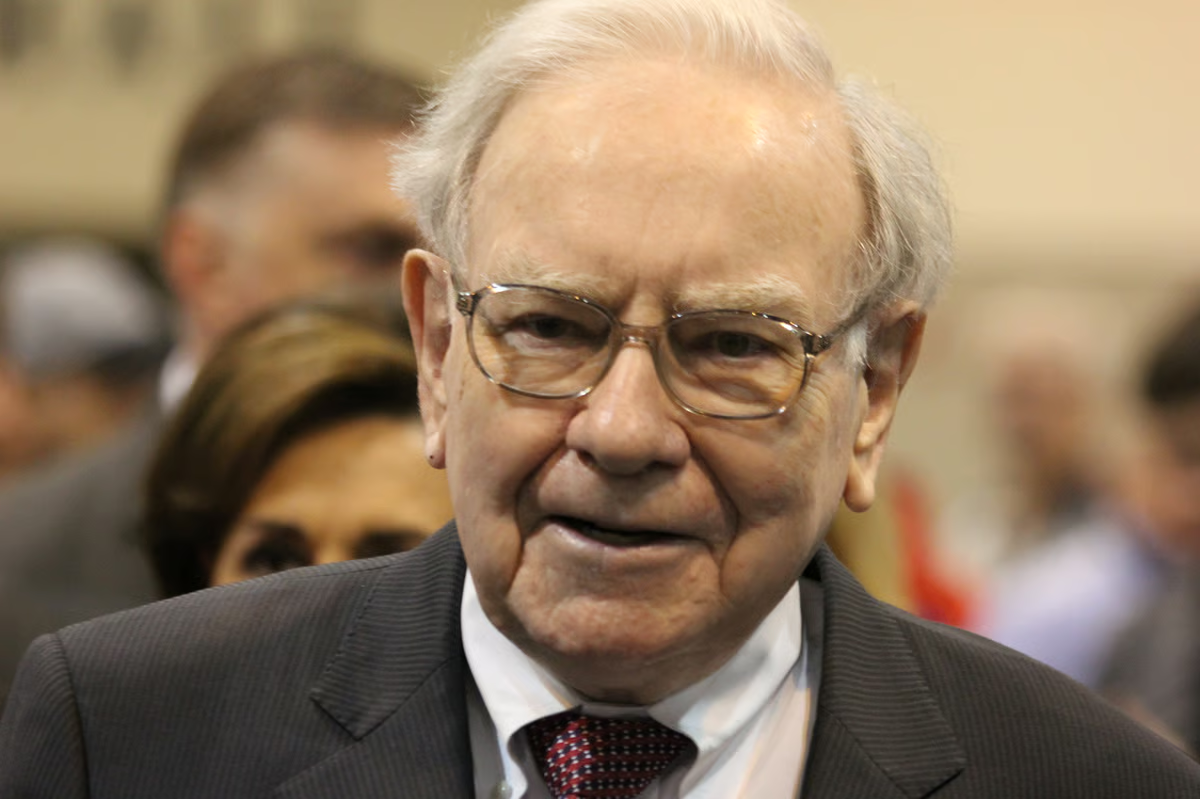
Warren Buffett stepped down as CEO of Berkshire Hathaway (BRKA 1.21%) (BRKB 1.03%) at the end of 2025. Still, the company’s massive stock portfolio — worth $307 billion as of this writing — remains a great starting point for fresh investment ideas from the Oracle himself.
Yet not every stock in Berkshire’s portfolio is a guaranteed winner. While Apple (AAPL +0.05%) and American Express (AXP 0.56%) are still dependable all-weather stocks, Kraft Heinz (KHC 0.12%) is stuck in a rut and won’t recover anytime soon.
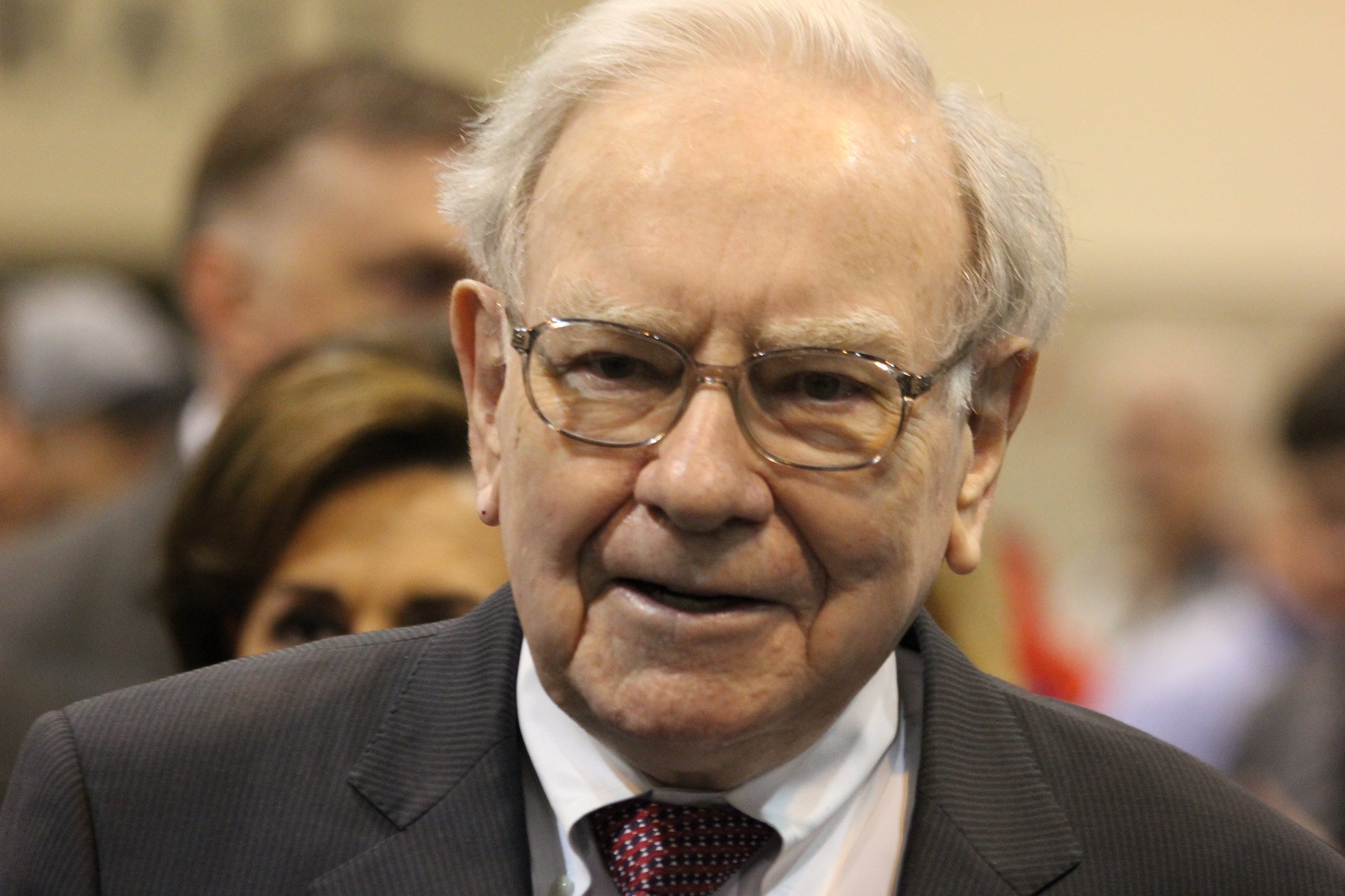
Former Berkshire Hathaway CEO Warren Buffett. Image source: The Motley Fool.
Buy Apple and American Express
Apple and American Express account for 19.1% and 14.6% of Berkshire Hathaway’s portfolio, respectively, making them the company’s two largest investments. Berkshire initially invested in Apple in 2016, and it took a major stake in American Express — which Buffett had already personally invested in before his takeover of Berkshire in 1965 — in 1991.

Today’s Change
(0.05%) $0.13
Current Price
$257.59
Key Data Points
Market Cap
$3.8T
Day’s Range
$253.71 – $258.26
52wk Range
$169.21 – $288.62
Volume
1.3M
Avg Vol
48M
Gross Margin
47.33%
Dividend Yield
0.40%
Apple still generates over half its revenue from the iPhone. Still, new features for its high-end models and cheaper versions for developing markets should reinforce its leading position in the premium smartphone market. It’s also been expanding its higher-growth services segment — which includes its App Store, iCloud, and various subscription-based services — to reduce its long-term dependence on the iPhone, boost its margins, and lock in more customers. Its sales of other hardware devices should also continue rising as its software ecosystem expands.
Apple’s high-growth days might be over, but analysts expect its revenue and EPS to grow at CAGRs of 8% and 11%, respectively, from fiscal 2025 (which ended in Sept. 2025) to fiscal 2028. Its stock still looks reasonably valued at 28 times next year’s earnings, and it bought back a third of its shares over the past decade. With $145 billion in cash and marketable securities at the end of its latest quarter, Apple still has plenty of room to buy back more shares, raise its dividend, or expand its business with more investments and acquisitions.

Today’s Change
(-0.56%) $-1.67
Current Price
$299.33
Key Data Points
Market Cap
$207B
Day’s Range
$292.88 – $299.64
52wk Range
$220.43 – $387.49
Volume
127K
Avg Vol
3.4M
Gross Margin
60.65%
Dividend Yield
1.09%
American Express operates its own bank and issues its own credit and debit cards. That sets it apart from Visa (V 1.91%) and Mastercard (MA 1.93%), which rely on their partner banks to issue cards and manage accounts.
American Express’s business model insulates it from interest rate swings. Rising interest rates will boost its net interest income, while declining interest rates will create tailwinds for consumer spending and drive up its card processing fees. It doesn’t serve as many cardholders as Visa and Mastercard, but it focuses on quality over quantity by attracting higher-income cardholders.
That careful strategy enables American Express to generate plenty of cash for its buybacks, and it’s repurchased 28% of its shares over the past 10 years. From 2025 to 2028, analysts expect its revenue and EPS to grow at CAGRs of 9% and 15%, respectively. It still looks like a bargain at 15 times forward earnings, and it should remain a reliable evergreen investment.
But avoid Kraft Heinz
Buffett, along with 3G Capital, orchestrated the 2015 merger of Kraft and Heinz to create Kraft Heinz. Berkshire’s Kraft Heinz shares still account for 2.6% of its portfolio, but it’s been one of its worst long-term investments and doesn’t seem worth buying today.

Today’s Change
(-0.12%) $-0.03
Current Price
$24.51
Key Data Points
Market Cap
$29B
Day’s Range
$24.19 – $24.67
52wk Range
$21.98 – $33.35
Volume
329K
Avg Vol
16M
Gross Margin
33.41%
Dividend Yield
8.15%
Kraft Heinz struggled over the past decade as consumers shunned its packaged foods in favor of healthier alternatives and cheaper private-label brands. Instead of pruning its portfolio, refreshing its stronger products, and launching fresh marketing campaigns to stay competitive, Kraft Heinz focused too much on cost-cutting initiatives and wasteful buybacks.
In 2019, it took a $15 billion writedown on its top brands, cut its dividend, and disclosed that it was under a Securities and Exchange Commission (SEC) probe of its accounting practices. That same year, Buffett admitted Berkshire had “overpaid” for Kraft Heinz’s shares.
Kraft Heinz originally planned to split up its business again, but it paused that plan earlier this year and decided to invest $600 million into fresh R&D and marketing efforts instead. Yet from 2025 to 2028, analysts still expect its revenue to decline. It’s expected to turn profitable again in 2026 and grow its EPS at an 8% CAGR through 2028, and its stock looks cheap at 11 times forward earnings — but it will likely stay in the penalty box until more green shoots appear.

