The S&P 500 (^GSPC +0.04%) has traded sideways this year because investors are concerned about elevated valuations, aggressive spending on artificial intelligence, and President Trump’s trade policies. But history says an interest rate cut could give the stock market a boost.
President Trump has regularly pressured the Federal Reserve to lower interest rates since returning to the White House. Policymakers will discuss the issue during a two-day meeting that ends on March 18. Here’s what investors should know.
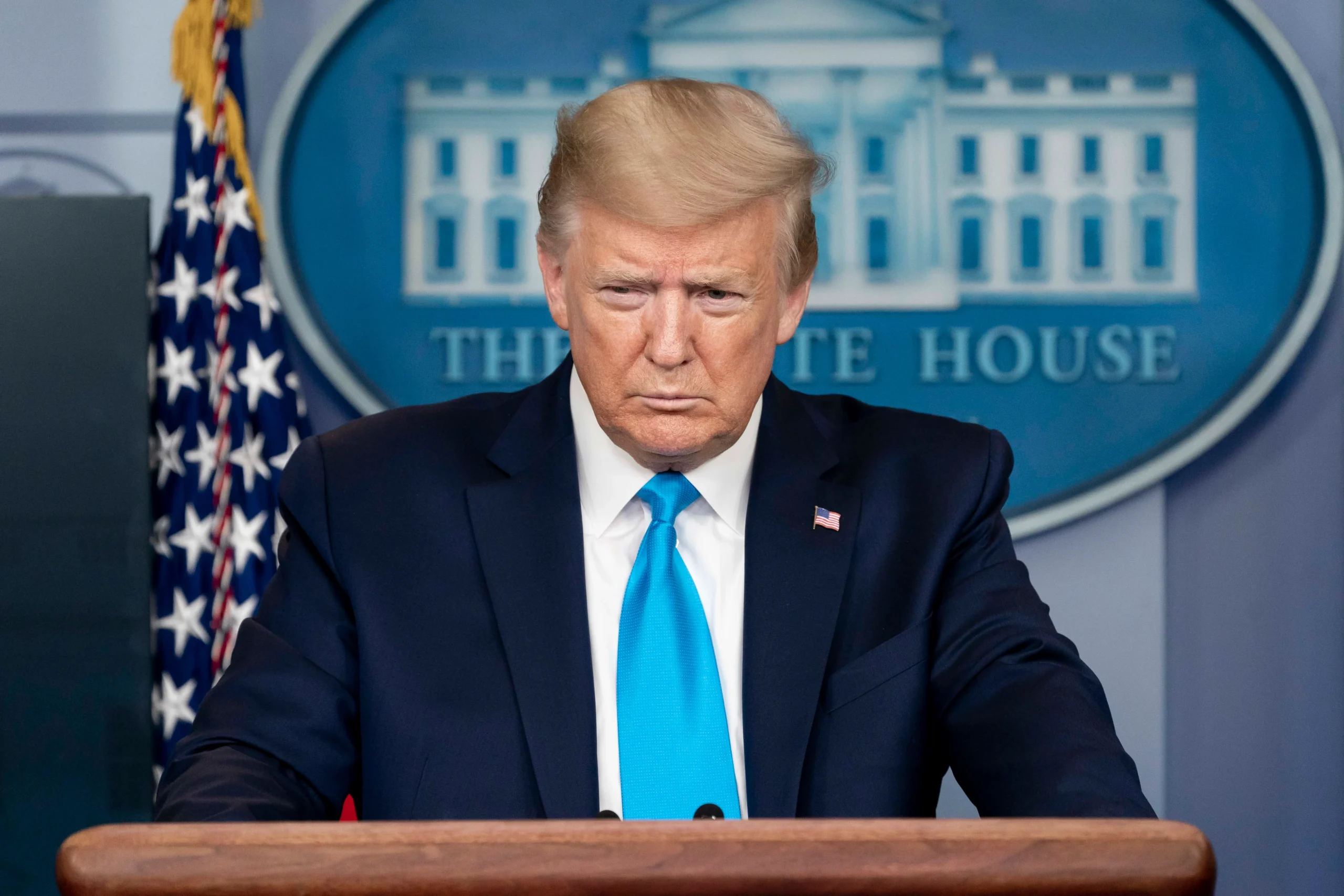
Image source: Official White House Photo by Andrea Hanks.
The Federal Reserve has held U.S. interest rates above those in many other developed economies
The Federal Reserve primarily sets monetary policy by changing the target range on the federal funds rate, a benchmark that influences other interest rates across the economy. Here’s how that works:
- Increasing the federal funds rate makes it more expensive to borrow money; that results in slower economic growth, which leads to lower inflation and higher unemployment.
- Decreasing the federal funds rate makes it less expensive to borrow money; that results in faster economic growth, which leads to higher inflation and lower unemployment.
In January, the Federal Reserve held the target range on the federal funds rate steady at 3.5% to 3.75%. That is higher than the analogous rate set by central banks in Canada, China, the European Union, Japan, and South Korea. The current target range of the federal funds rate is also about 1 percentage point above the 30-year average.
President Trump says the U.S. should have lowest interest rates in the world. When asked by The Wall Street Journal where interest rates should be in a year, Trump replied, “1% and maybe lower than that.” He made similar demands of policymakers throughout the past year, and he repeatedly lambasted Fed Chair Jerome Powell in an effort to get his way.
On one hand, lower interest rates would stimulate the economy and jobs markets, and reduce the cost of debt for the U.S. government. On the other hand, lower interest rates would make inflation worse at a time when prices are already rising faster than the Fed’s 2% target. In December, CPI inflation was 2.4% and PCE price index inflation (the Fed’s preferred measure) was 2.9%.
The S&P 500 has achieved a median one-year return of 10% following interest rate cuts
The Federal Reserve has lowered interest rates 58 times since 1990. Following those cuts, the S&P 500 returned a median of 10% during the next year. However, the index returned a median of 11% during the next year if rate cuts made during recessions are excluded.
What does that mean? We are not currently in a recession. So, if the Fed cuts rates in March, history says the S&P 500 has a 50-50 chance of returning at least 11% in the next year. That’s slightly better than its average one-year return of 10% since 1990.
Logically, that makes sense. Lower interest rates mean businesses and consumers pay less to borrow money, which encourages spending and promotes economic growth. In turn, the S&P 500 should perform well as companies report strong financial results.
However, with inflation above the Federal Reserve’s target, policymakers are unlikely to cut rates in March. The market currently puts the probability of a rate cut at less than 5%, according to CME Group‘s FedWatch tool. In fact, the market does not anticipate a rate cut until the June meeting, but even that is far from certain.
Here’s the big picture: President Trump desperately wants lower interest rates, but the Fed is unlikely to cut rates at the March meeting. That could leave the stock market in a holding pattern until economic data paints a clearer picture of exactly when policymakers will make the next cut.