Summary created by Smart Answers AI
In summary:
- Tech Advisor reports that Oura is developing a specialized AI model for women’s health, currently testing in Oura Labs to provide personalized reproductive health advice.
- The AI chatbot analyzes menstrual cycles, fertility patterns, and biometric data while ensuring user privacy through internal processing without third-party sharing.
- This advancement positions the Oura Ring 4 as a leading smart ring with enhanced health tracking capabilities beyond its already praised design and battery life.
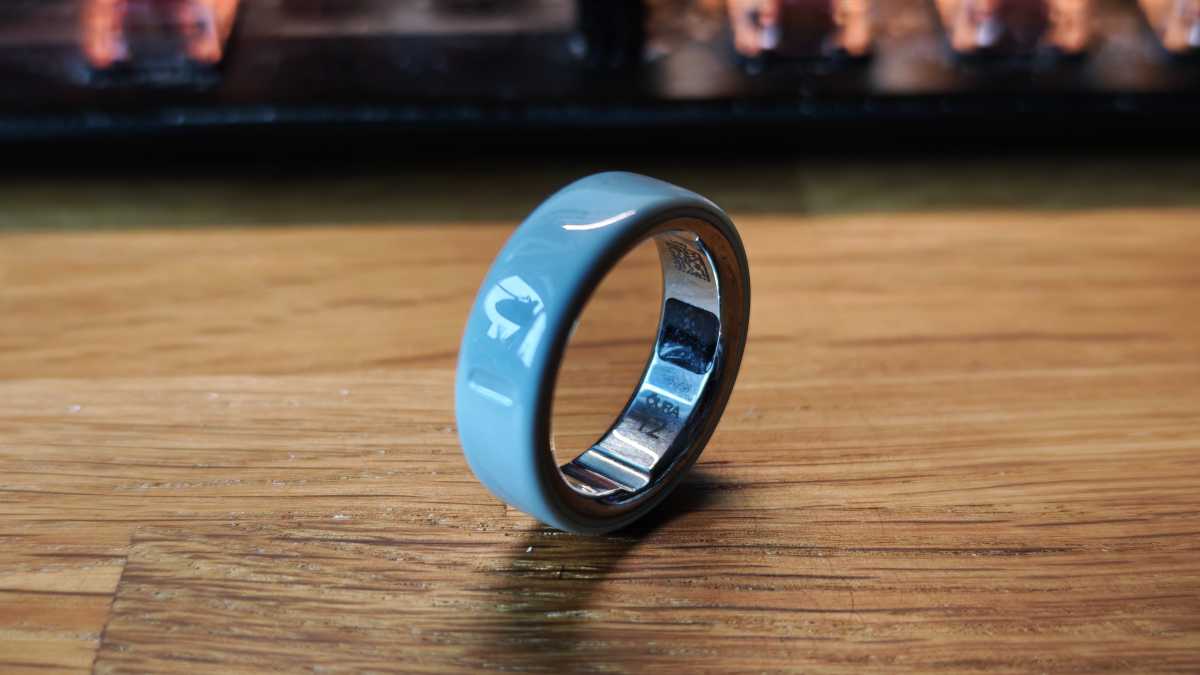
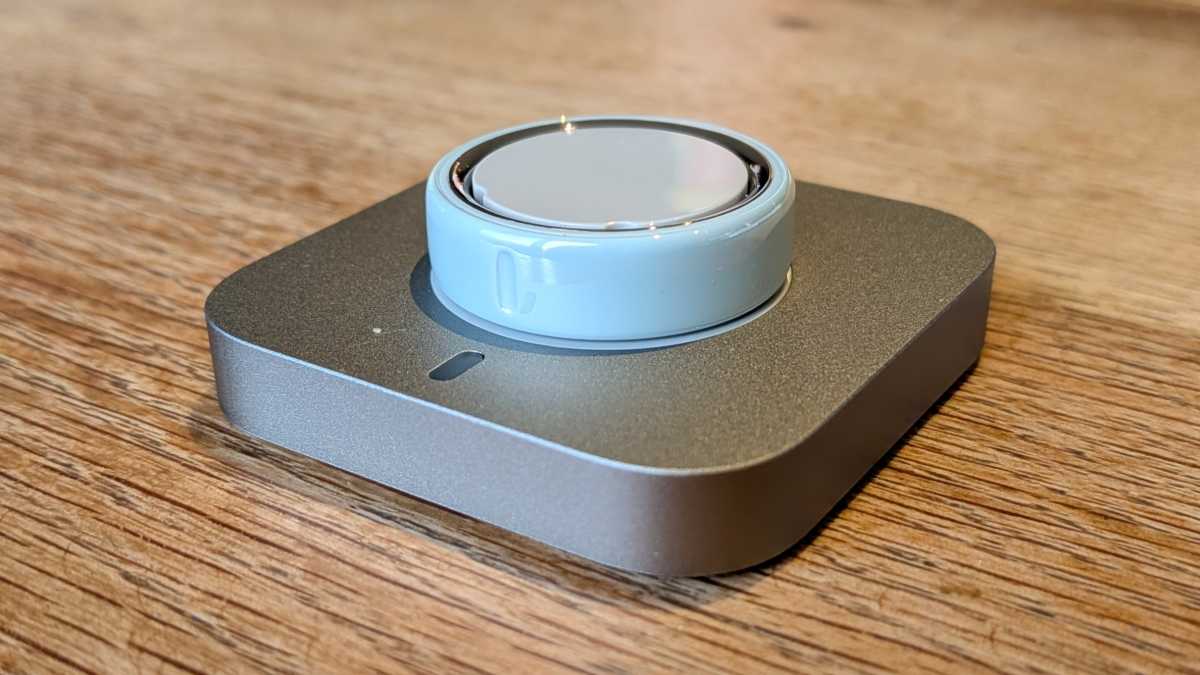
We think that the Oura Ring 4 is perhaps the best smart ring you can buy right now. Already a highly competitive brand, Oura improved on its previous model with a better, more comfortable design, more accurate tracking, new metrics to help you make better decisions about your day (and night) and longer battery life.
In fact, in its new ceramic-coated form, we reckon the Oura Ring 4 is just about perfect.
Chris Martin / Foundry
And now there’s an added incentive for women to invest in the brand. Oura is now launching its first proprietary AI model, developed specifically for women’s health. The model is based on medical guidelines, research and peer-reviewed knowledge, which it combines with the user’s biometric data and long-term health trends.
What this means is that Oura will be integrating a personalised chatbot feature into its app, to provide more personalised and clinically-grounded advice on reproductive health. The feature analyses long-term patterns related to menstrual cycles, fertility, pregnancy, menopause, sleep, stress and activity, among other data sets.
According to Oura, the AI provides clear and supportive answers to help users understand their data and prepare for contact with healthcare providers. At the same time, the company emphasises that the service is advisory and does not replace medical diagnostics.
Chris Martin / Foundry
Oura is also careful to highlight its privacy credentials. The model runs on the company’s own infrastructure. Conversations won’t be shared with third parties and won’t be used to train external AI systems. However, this still gives Oura plenty of leeway when it comes to using the data internally.
There’s also the question of how far users are willing to – or even should – take advice on such a crucial area as reproductive health from AI at a time when models still hallucinate and make errors.
The model is currently being tested in Oura Labs, where users can try out experimental features. Testing is voluntary and is being conducted with users who can provide feedback to further develop the feature. It’ll then be integrated into the Oura Advisor service, the app’s own AI.
This article originally appeared on our sister publication M3 and was translated and adapted from Swedish.