The record highs in coffee prices seen in recent years are at least partly caused by extreme weather in global coffee-growing regions, according to new research suggesting that both supply and quality of coffee beans will fall even further in the coming years.
According to an analysis by non-profit science news organization Climate Central, climate change has brought more days in recent years with peak temperatures that can harm Arabica coffee plants.
“Suboptimal conditions can harm the quality and quantity of bean harvests. And this affects the availability, price and quality of the drink that so many love,” the organization writes.
For the analysis, Climate Central examined temperatures from 2021 to 2025 in countries along the so-called coffee belt, covering 25 countries around the equator and 97% of the world’s coffee production.
The authors compared the values with estimated temperatures in a hypothetical world without human-caused greenhouse gas emissions to assess how often climate change pushes temperatures in these countries above 30 degrees, a threshold especially harmful to Arabica.
Their result was that due to climate change the top five coffee-growing countries — Brazil, Vietnam, Colombia, Ethiopia and Indonesia — recorded on average an additional 57 days a year with temperatures harmful to coffee.
Temperatures above this threshold cause stress to the plants, making them more susceptible to disease, reducing yields and leading to poorer beans, the organization said. Combined, this could reduce the supply and quality of coffee and contribute to price increases worldwide.
According to a market report by the International Coffee Organization (ICO), the average price for a US pound of green coffee (about 454 grams) was roughly $3 in December last year. Two years earlier it was between $1.6 and $1.8.
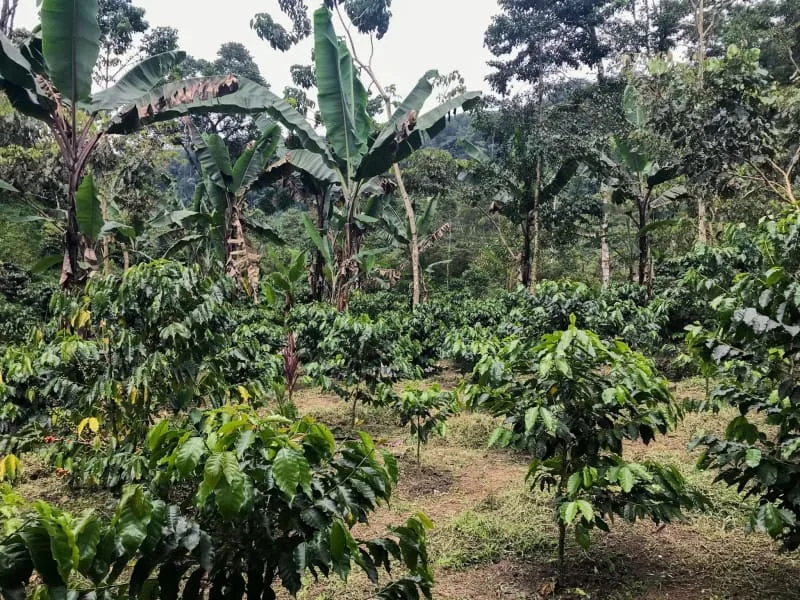
Climate Central said farmers would be forced to adapt their cultivation methods. Taller trees could be planted around coffee to provide shade that protects the plants from harmful heat, for example. The organization also said regions where coffee is grown could shift due to climate change.

Extreme temperatures are causing stress to coffee plants, making them more susceptible to disease, reducing yields and leading to poorer beans, climate researchers say. Nick Kaiser/dpa