Published on
February 22, 2026
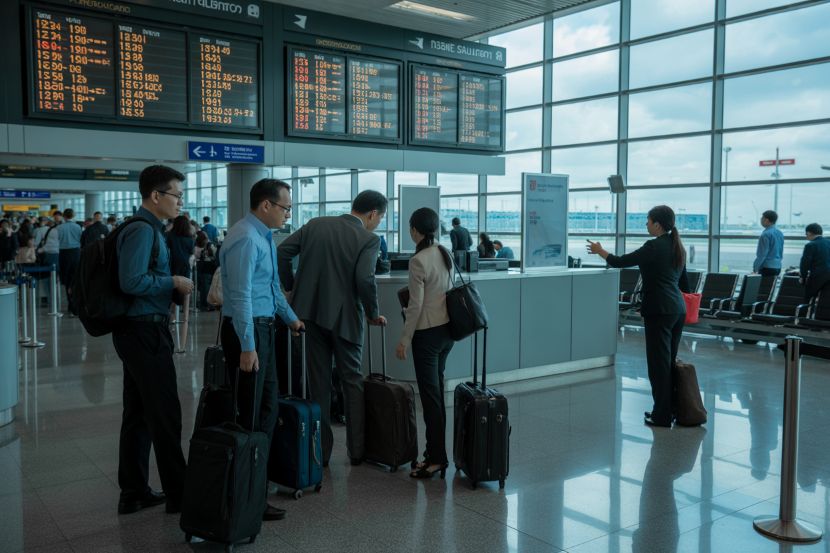
Image generated with Ai
Recent disruptions in Bangkok have caused widespread chaos for travelers heading to Hong Kong, with the Cathay Pacific flight from Suvarnabhumi Airport to Hong Kong among the casualties. On February 21st, the last-minute cancellation of flight CPA674 left Hong Kong-bound passengers stranded, scrambling for alternative routes. Alongside Cathay Pacific, major airlines such as Malaysia Airlines, MYAirline, and Jetstar also announced cancellations of their flights to Kuala Lumpur, Melbourne, and Sydney. With these last-minute changes, passengers were not only left facing delays but also forced to deal with substantial rebooking costs. For many business travelers, this disruption came at the worst possible time, particularly with the post-Lunar New Year travel rush still in full swing. Read on to find out more about the impact of these disruptions and what travelers should consider during this chaotic time.
Bangkok Airport’s Ongoing Troubles Cause Significant Flight Delays
Bangkok’s airports, particularly Suvarnabhumi, have been grappling with a series of operational constraints that have led to severe flight disruptions. These issues appear to stem from a combination of staffing shortages, weather conditions, and air traffic control (ATC) restrictions. This situation has worsened with the recent cancellation of Cathay Pacific’s CPA674 flight, which was supposed to depart for Hong Kong. The last-minute nature of this decision, which came less than six hours before departure, left hundreds of travelers scrambling for alternatives.
Additionally, other airlines, including Malaysia Airlines, MYAirline, and Jetstar, were forced to make similar cancellations for flights to Sydney, Melbourne, and Kuala Lumpur, further complicating travel plans for passengers traveling through Southeast Asia. The knock-on effect was felt across several destinations, highlighting a systemic capacity issue within the region’s aviation sector.
A Travel Nightmare for Business Travelers: Delays and Rebooking Challenges
For business travelers heading to Hong Kong, the timing of the cancellations couldn’t have been worse. The afternoon flight banks—typically bustling with executives returning for Monday meetings—were particularly hit. With rebooking fares for economy-class tickets exceeding HK$6,000 (USD $770), travelers faced hefty additional costs. The cancellations also created a ripple effect, leading to further delays for long-haul connections.
Beyond the financial strain, the situation escalated due to the regional load factors exceeding 90%, meaning that alternative flights were severely limited. For many travelers, this not only meant higher costs but also a delay in getting back to their business commitments, especially as flights became increasingly unavailable.
Impact on Regional Travel: Alternatives and Solutions for Affected Passengers
Cathay Pacific suggested that Hong Kong-bound passengers could reroute via Singapore or Manila, but seat availability was highly restricted due to the high volume of travelers during this peak season. Moreover, Hong Kong International Airport announced that it would allow ad-hoc arrivals for airlines after 11 p.m. local time to help with the recovery process, but with crew duty-time limitations and limited aircraft availability, the situation remained difficult for passengers.
Advertisement
Advertisement
As the region continues to navigate these disruptions, travelers are advised to monitor their airlines’ apps for the most up-to-date flight information. Corporate travel managers should be proactive in ensuring flexible ticket bookings, especially on Thailand-Hong Kong routes where disruptions are expected to continue for the next two weeks.
Travel Tips for Business and Leisure Travelers Amid Airport Chaos
1. Stay Ahead of the Game: Book Flexible Tickets
If you’re planning to travel from Bangkok to Hong Kong in the near future, always opt for fully flexible tickets. These provide more peace of mind should schedule changes or cancellations occur last minute. Given the current staffing and operational issues, flexibility is key to adjusting your travel plans without incurring additional costs.
2. Prepare for Visa Challenges During Unexpected Stopovers
If your rebooking involves a stopover in Singapore or Manila, make sure that you’re aware of any visa requirements. Unexpected changes in your flight plans could lead to visa complications, especially if you’re traveling on short notice. Consider using services like VisaHQ, which allows you to verify entry requirements quickly and even arrange for expedited visas to ensure compliance.
3. Keep an Eye on Flight Updates
With flight cancellations and delays continuing to affect travel across Southeast Asia, it’s essential to stay on top of the latest updates through your airline’s mobile app. Make sure that your contact information is up to date so that you can receive real-time notifications about your flight status.
4. Factor in Long-Haul Connections
For passengers connecting from Hong Kong to long-haul international flights, consider adding at least a four-hour buffer between your connections. Given the ongoing disruptions, ensuring that you have ample time to navigate through airport customs and other procedures will reduce the risk of missing your next flight.
The Bigger Picture: Regional Aviation Industry Struggling to Recover
The aviation industry in Southeast Asia continues to face significant rebuilding challenges post-COVID. Airlines in the region are struggling to keep up with the surge in demand, particularly during peak travel periods like the Lunar New Year. Limited aircraft availability, combined with ongoing staff shortages and weather-related air traffic control disruptions, have led to a fragile aviation ecosystem.
As a result, travelers are encouraged to consider alternative travel routes, such as via freighter services or the Hong Kong–Zhuhai–Macao Bridge, for time-sensitive cargo shipments. These options may become more viable as airlines face difficulties in handling the surge in passenger and cargo demand.
What Travelers Need to Know Moving Forward
In summary, the disruptions in Bangkok have exposed the vulnerabilities in Southeast Asia’s aviation network and have left many travelers stranded or facing unexpected delays and rebooking challenges. It is crucial for travelers to remain vigilant, stay updated on their flight statuses, and plan ahead to ensure visa compliance in the event of unexpected stopovers. While airlines and airports are doing their best to recover, passengers must be prepared for the possibility of continued disruptions, particularly on Thailand-Hong Kong routes.