Published on
February 21, 2026

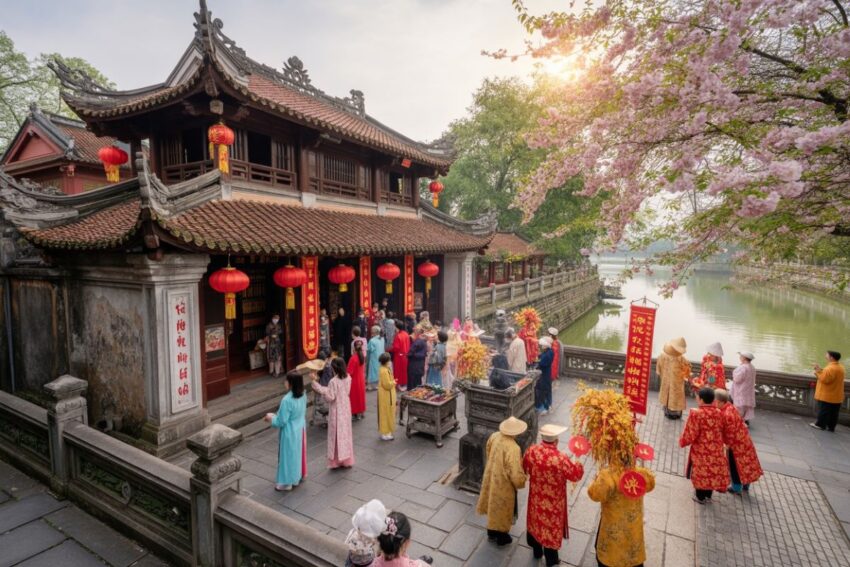
Image generated with Ai
Lunar New Year (Tet) 2026 in Vietnam has ushered in a strong surge in tourism activity across the country, mirroring booming travel trends in regional neighbours such as Thailand, Malaysia, South Korea, Hong Kong, and China. A key highlight of this festive tourism wave is Hanoi’s Temple of Literature (Văn Miếu – Quốc Tử Giám), which recorded more than 55,000 visitors from the first to the third day of the Year of the Horse.
Historic Hanoi Draws Tens of Thousands During Tet Holiday
The remarkable turnout underscores growing interest in cultural and spiritual tourism during Tet and reflects Vietnam’s broader tourism rebound following pandemic disruptions. Located in the heart of Hanoi, the Temple of Literature — Vietnam’s oldest national university and a symbol of the nation’s scholarly heritage — has long served as a cultural touchstone for locals and tourists alike. Originally built in 1070 and devoted to Confucius and revered scholars, the site has evolved into a vibrant destination for those seeking to offer prayers for prosperity, wisdom, and good fortune at the start of the lunar year.
Festive Spirit Blends with Cultural Heritage
Over the first three days of the Lunar New Year, the Temple of Literature Complex buzzed with activity as people from across Vietnam and beyond visited to pray, light incense, and enjoy traditional spring festivities. Areas such as Văn Lake, Thái Học Courtyard, and the Garden of Doctor’s Steles remained busy as visitors explored the historic grounds and participated in age‑old traditions.
This increased footfall aligns with nationwide tourism trends during Tet, when families frequently travel together to historic, cultural, and spiritual sites to mark the new year with meaning and celebration. Government tourism initiatives and cultural events — including free admissions at select heritage sites and spring calligraphy festivals — have incentivized travel to major attractions, enhancing the festive experience for both domestic and international visitors.
Advertisement
Advertisement
Tet Tourism Growth Reflects Wider National Trends
The traffic at the Temple of Literature complements broader data showing a significant rebound in Vietnam’s tourism sector. Official tourism statistics indicate that January 2026 saw nearly 2.5 million international visitors, marking the highest monthly arrival figure in the sector’s history and demonstrating strong global interest in Vietnam as a travel destination.
Domestic travel has also thrived during Tet, with cultural landmarks, coastal regions, and natural attractions reporting elevated visitor numbers. Spiritual tourism — including temple visits and ancestral worship — has become a major component of this upswing, as locals and tourists alike integrate traditional practices with holiday travel itineraries.
Advertisement
Advertisement
Hanoi, in particular, has rolled out supportive measures to facilitate a seamless tourist experience. The city offered free parking at major sites and expanded public transit services near heritage landmarks to accommodate the influx of spring visitors. These efforts helped maintain order and convenience at high‑traffic locations such as the Temple of Literature and other historic destinations.
Cultural Engagement Drives Visitor Interest
The Temple of Literature experience during Tet is not only about sightseeing; it also involves deep cultural engagement. Visitors often participate in traditional rituals such as offering incense, seeking good luck calligraphy, and immersing themselves in Tet customs that have been passed down through generations. These activities elevate the Temple of Literature beyond its historical significance, transforming it into a living symbol of cultural continuity and festive celebration.
Advertisement
Advertisement
The appeal of Hanoi’s historic sites has expanded beyond local tourists, as international visitors increasingly integrate cultural tourism into their travel plans. With travel restrictions easing and global interest in authentic experiences growing, Vietnam has seen consistent growth in tourism indicators — both in number of visitors and diversity of source markets.
Conclusion: A Promising Year for Vietnamese Tourism
Vietnam’s performance during Tet 2026 suggests a promising trajectory for the year ahead, as cultural destinations like the Temple of Literature continue to attract significant attention. The government’s focus on enhancing infrastructure, promoting heritage assets, and supporting meaningful travel experiences positions the country to capitalize on this momentum in both domestic and international tourism markets.
As the holiday progresses, Hanoi and other destinations nationwide are expected to sustain strong visitor flows, reinforcing Vietnam’s reputation as a vibrant, culturally rich tourism hotspot in Southeast Asia.