Published on
February 20, 2026

Image generated with Ai
Morocco has joined France, South Africa, the United Kingdom, Mexico, Colombia, Bahrain, and several other nations in Australia’s latest travel advisory, which advises travelers to proceed with extreme caution. This advisory is issued in the midst of growing regional security threats and border safety concerns in these countries. There is a greater need for caution due to Morocco’s border conflict in the disputed Western Sahara region, terrorist threats in France and the UK, persistent violent crime in South Africa and Mexico, and political unrest in Bahrain and Colombia. Anybody traveling to these areas must carefully plan their trip because of the risks involved, which include physical security issues like terrorism and armed conflict as well as disruptions from protests, criminal activity, and natural disasters.
The Australian government has updated its travel advisories, urging travelers to exercise heightened caution when visiting several countries due to rising security risks, including border safety challenges, environmental concerns, and regional instability. This advisory affects nations across the globe, including Morocco, France, South Africa, the United Kingdom, Mexico, Colombia, Bahrain, and more. Below is an in-depth look at the travel safety updates and critical advice for each of these countries.
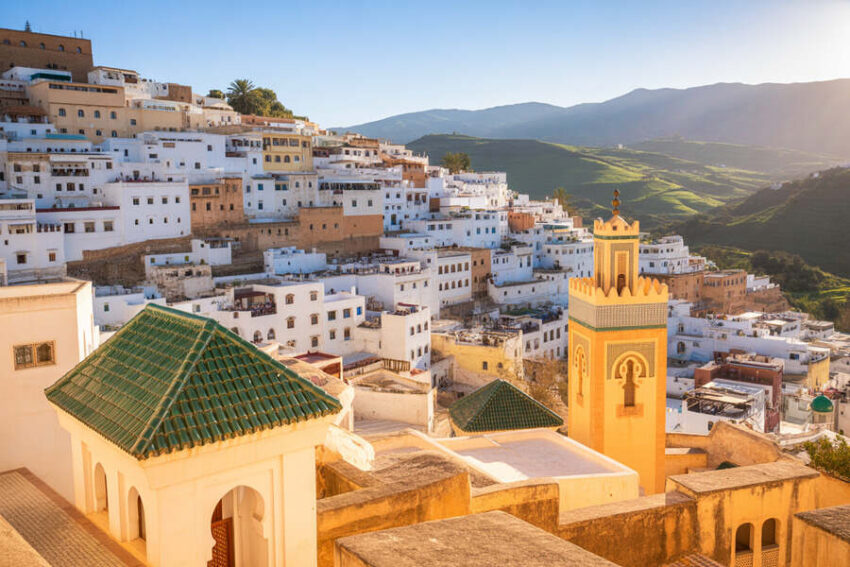
Morocco: Exercise a High Degree of Caution Amid Weather Hazards and Conflict Zones
Australia has raised the alert for Morocco, urging travelers to exercise a high degree of caution due to multiple risks. Currently, northern Morocco is experiencing heavy rainfall and widespread flooding, severely affecting several provinces. Local authorities have advised road closures and evacuations, and travelers are strongly discouraged from attempting to cross floodwaters.
Additionally, the northern and western sides of the Berm — a militarized boundary separating Morocco from the disputed territory of Western Sahara — are considered unsafe due to the ongoing armed conflict between the Moroccan military and the Polisario Front, a separatist group. Visitors are advised to avoid these areas entirely.
Advertisement
Advertisement
Petty crime, such as pickpocketing and bag snatching, remains a risk, particularly in crowded tourist areas. Travelers should keep their belongings close and avoid walking alone in isolated areas, especially at night.
France: Heightened Security Due to Terrorism Threats and Public Protests
France remains under heightened security alerts, particularly in light of recent terrorist threats. The French government has maintained its national alert at the highest level due to an ongoing risk of terrorist activity. Tourist spots, public places, schools, and shopping areas are potential targets. Authorities urge all visitors to stay vigilant in crowded places, such as transport hubs, major landmarks, and cultural events.
Advertisement
Advertisement
In addition to the security threat, strikes and public protests continue to affect daily life in France. Demonstrations have been known to turn violent, often causing significant disruptions to public transport, services, and airports. Avoid all protests and demonstrations, and be cautious in areas where large crowds gather, particularly around weekends and Friday prayers.
Travelers should also be aware of violent crime, including muggings and sexual assaults, particularly in major cities like Paris. Petty crime like pickpocketing is common in tourist hotspots. Always protect your belongings, especially in busy areas.
South Africa: Ongoing Risk of Violent Crime and Civil Unrest
In South Africa, there are ongoing concerns about violent crime and civil unrest. Large protests and gatherings are common and can often escalate into violence. Protests can occur anywhere at any time, and travelers should avoid these situations entirely. It is essential to stay updated on local media and follow the advice of local authorities.
Violent crimes such as murder, rape, carjacking, and robbery remain a significant risk in many urban centers and township areas. The country also faces occasional terrorism threats. Travelers are encouraged to avoid traveling at night outside of major cities and use major toll roads whenever possible.
Be particularly cautious when using public transport, as smash-and-grab thefts and armed robbery are known to occur frequently. If traveling in high-risk areas, it is advisable to consult with local security services to assess the level of risk.
United Kingdom: Terrorism Threat and Risk of Violent Crime in Urban Areas
The United Kingdom remains on high alert, with the government assessing the risk of terrorism as substantial. This means an attack is likely, although the exact time or method cannot be predicted. Tourists should remain aware of their surroundings in public places, especially in tourist areas, transport hubs, and shopping centers.
There has been an uptick in violent crime, including knife attacks, muggings, and sexual assault, particularly in larger cities like London. Petty crime, such as pickpocketing, bag snatching, and mobile phone theft, is also prevalent in crowded places. Keep your belongings secure and avoid traveling through dark, isolated areas at night.
Another concern is the rise in political protests. While demonstrations are a right, they can often turn violent. Avoid all protests and areas with significant police presence. The UK government also emphasizes the importance of staying informed on travel safety updates and following the instructions of local authorities.
Mexico: High Risk of Violent Crime, Kidnapping, and Extortion
Mexico continues to be one of the more hazardous destinations for travelers, with violent crime, kidnapping, and extortion reported across various states. The Australian government advises a high degree of caution in Mexico, with specific warnings for travelers in Chihuahua, Sinaloa, Guanajuato, Colima, and Chiapas. Many of these areas are plagued by drug-related violence and criminal activities, including armed robbery and carjackings.
Visitors should avoid traveling at night outside major cities and should rely on major toll roads or fly directly to cities. The government also advises against visiting certain regions, such as border areas, which remain high-risk due to violent drug cartel activity.
There is also a serious risk of kidnapping, especially for tourists. It is important to avoid drawing attention to your wealth or business dealings while in Mexico. Travelers are also advised to be cautious about drink spiking and methanol poisoning when consuming alcohol.
Colombia: Terrorist Activity and Armed Conflict in Certain Regions
In Colombia, travelers should be wary of terrorism, violent crime, and armed conflict, particularly in areas near the Venezuelan border. Certain regions, including Quibdo (Choco), Ipiales (Nariño), and within 20km of the Ecuador border, remain hotspots for illegal armed groups and drug-related violence. The Catatumbo region, in particular, is a high-risk zone due to escalating violence from terrorist groups.
The government has declared a state of emergency in several regions, including Cauca and Valle del Cauca, where recent terrorist attacks have occurred. Travelers are advised to avoid these areas and should remain vigilant in larger cities like Cali.
Other risks include kidnapping and extortion, and travelers are advised to take extra precautions when traveling through remote areas. Stay informed through local news and avoid regions with a high risk of conflict.
Bahrain: Regional Instability and Terrorism Risk
Bahrain faces an unpredictable security situation due to its proximity to ongoing conflicts in the Middle East. Demonstrations and protests against foreign governments may occur and lead to escalating tensions. Avoid all protests and gatherings, especially around Friday prayers, as these are often the flashpoints for unrest.
The country is also at risk for terrorism, with potential threats targeting public spaces, tourist areas, and places frequented by foreign nationals. Stay alert to possible threats and follow any official guidance issued by local authorities. The broader Middle East region has faced regional instability, which could impact airspace, flight cancellations, and other travel disruptions.
For those visiting Bahrain, it is crucial to stay informed about regional developments and follow local news sources and official advisories.
Heightened Caution Required Across Global Destinations
The latest Australian Government Travel Advisory urges travelers to exercise a high degree of caution in several high-risk regions. Whether it’s the environmental threats in Morocco, terrorism risks in France and the UK, or violent crime in Mexico, South Africa, and Colombia, travelers must stay alert, plan their trips carefully, and avoid high-risk areas.
Due to rising border safety concerns and regional security threats, Australia has issued a new travel advisory for Morocco, joining France, South Africa, the United Kingdom, Mexico, Colombia, Bahrain, and others. Travelers are advised to exercise extra caution in these nations due to their armed conflicts, terrorist threats, violent crime, and political instability.
For those planning to travel to any of these destinations, it is vital to monitor local media, follow the advice of local authorities, and remain informed about any changes to the travel situation. Taking these precautionary measures will help ensure a safer travel experience, despite the ongoing security challenges in these regions.