Published on
February 19, 2026

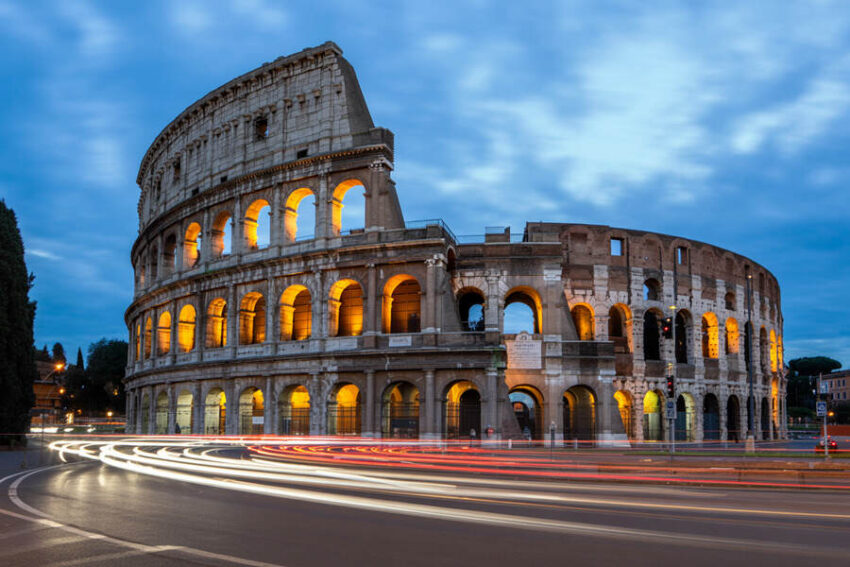
Image generated with Ai
Poland, Sweden, Germany, the United Kingdom, Ireland, Estonia, and other European countries in facing new travel barriers in Italy as cities like Rome, Venice, Milan, and Capri implement stringent rules on tourist taxes, photography, and visitor limits. These measures are designed to combat overtourism, protect cultural heritage, and manage visitor numbers more sustainably. With rising fees, capped group sizes, and stricter regulations on conduct and photography, travelers will need to adapt their plans when visiting these iconic Italian destinations. From increased entry fees to restricted access to certain sites, the new policies aim to ease the strain on Italy’s most popular landmarks and enhance the experience for both visitors and locals. As tourism continues to surge, these changes mark a shift toward more controlled and mindful travel in Italy’s most beloved cities and landmarks.
Italy—synonymous with timeless art, stunning landscapes, and centuries of rich history—is facing a dilemma: How to preserve its cultural heritage and the well-being of its local communities while still catering to millions of eager tourists who flock to its world-renowned cities each year? The answer seems to be a redefinition of tourism. And the new rules are starting to create waves for travelers, particularly from across Europe.
For many years, Italy has been one of Europe’s premier destinations, with visitors from across the continent—including countries like Poland, Sweden, Germany, the United Kingdom, Ireland, and Estonia—constantly making their way to cities such as Rome, Venice, Milan, and Capri. But as the country grapples with the effects of overtourism, Italy is introducing a wave of new travel restrictions. Higher taxes, visitor caps, photography bans, and sustainability initiatives are all part of Italy’s new travel landscape. And as travelers from Poland, Germany, Sweden, and others begin to feel the pinch, it is clear that this new chapter of travel in Italy will be different—perhaps forever.
The Travel Evolution: Why Italy Needs to Change
Italy has long been an iconic European destination. From the Eternal City of Rome to the picturesque canals of Venice, the beauty of the country has been an irresistible magnet for millions of travelers. However, with increased tourism, Italy has started facing the harsh realities of overtourism. Cities like Rome, Venice, and Milan—which once offered serene experiences filled with history—are now grappling with overcrowding, environmental degradation, and the growing strain on local infrastructure.
Advertisement
Advertisement
Tourism has become a double-edged sword. While it generates significant revenue for the local economy, the sheer number of visitors is threatening the very beauty and heritage that makes Italy a world-class destination. The Colosseum in Rome, St. Mark’s Square in Venice, and the Duomo in Milan are all experiencing the negative effects of mass tourism. Overcrowded streets, traffic jams, and environmental damage are becoming increasingly common.
To tackle these challenges, Italy has decided to introduce a set of new rules aimed at regulating tourism and making travel more sustainable and responsible. These changes are not just about raising taxes; they are about ensuring that future generations can experience Italy’s most treasured places in their full glory.
Advertisement
Advertisement
Poland Joins Sweden, Germany, Netherlands, United Kingdom, Ireland, Estonia, and Other European Countries in Facing Travel Restrictions
For European travelers, the imposition of these restrictions in Italy is a wake-up call. Poland, Sweden, Germany, the United Kingdom, Ireland, and Estonia—all among the largest sources of visitors to Italy—are now experiencing firsthand the impact of these changes. In fact, these countries are at the forefront of facing new barriers when it comes to traveling to Italy. The following European nations are most affected:
- Albania
- Andorra
- Armenia
- Austria
- Azerbaijan
- Belarus
- Belgium
- Bosnia and Herzegovina
- Bulgaria
- Croatia
- Cyprus
- Czech Republic (Czechia)
- Denmark
- Estonia
- Finland
- France
- Germany
- Greece
- Hungary
- Iceland
- Ireland
- Kosovo
- Latvia
- Liechtenstein
- Lithuania
- Luxembourg
- Malta
- Moldova
- Monaco
- Montenegro
- Netherlands
- North Macedonia
- Norway
- Poland
- Portugal
- Romania
- San Marino
- Serbia
- Slovakia
- Slovenia
- Spain
- Sweden
- Switzerland
- Turkey
- Ukraine
- United Kingdom
- Vatican City
These countries are not only feeling the financial sting of increased taxes but are also grappling with new restrictions on when, where, and how they can experience Italy’s iconic landmarks. In a world where travel has become a form of social currency, these new regulations are a game-changer, especially for those from Europe who often made Italy a frequent vacation destination.
Major Changes in Rome, Venice, Milan, and Capri: The New Rules Explained
Let’s take a closer look at the four key cities where these restrictions are being enforced, and how these changes are affecting European visitors. From taxes to visitor caps and photography bans, Italy is ushering in a new era of travel rules.
1. Tourist Taxes: A Financial Burden for Visitors
Italy has had a tourist tax (known as the imposta di soggiorno) for years, which is typically charged on overnight stays in hotels and other accommodations. However, in 2025 and beyond, Italy is dramatically increasing this tax, especially in high-traffic cities like Rome, Venice, Milan, and Capri.
- Rome: The city is imposing a new €8 to €10 per night tax on visitors, especially for high-end hotels and accommodations in the historic center. While the tax will go toward maintaining public services and preserving Italy’s historic landmarks, it undoubtedly raises the overall cost of a visit to the Eternal City.
- Venice: Known for its fragile environment and immense tourist crowds, Venice is ramping up the tourist tax to as high as €15 per night during the peak seasons. The goal is to generate revenue to protect the city from flooding, wear and tear, and environmental damage.
- Milan: A city brimming with art, fashion, and history, Milan’s tourist tax will rise as well, with visitors expected to pay €6 to €10 per night, depending on the time of year. As the city aims to preserve its world-renowned museums and architectural wonders, this new tax will help fund sustainability projects.
For travelers from Poland, Sweden, Germany, and other European nations, the rise in these taxes can quickly add up, making their Italian holidays more expensive than ever.
2. Visitor Caps and Limited Access: The Crowds Are Finally Controlled
Italy’s famous landmarks, including Venice’s Grand Canal, Rome’s Colosseum, and Milan’s Duomo, attract millions of visitors every year. However, to protect these places from irreparable damage caused by overcrowding, Italy is imposing visitor caps on several top destinations.
- Rome: To alleviate the pressures on the Colosseum and the Vatican Museums, Rome has introduced a visitor cap, allowing a limited number of visitors to enter per day. Pre-booking is now mandatory, and tourists from European countries like Poland and Sweden must plan their visit in advance or risk not getting in.
- Venice: Known for its narrow streets and fragile buildings, Venice has implemented a visitor cap, limiting the number of people allowed to enter the city each day. This has been a much-needed step to preserve the city’s historic center from the damaging effects of overcrowding.
- Milan: The world-famous Duomo in Milan now has a strict entry cap, allowing a set number of visitors per day. With this new restriction, tourists from Germany and Ireland will have to make sure to book their visit well in advance to guarantee entry.
3. Photography Bans and Restrictions: No More Insta-Shots Without Limits
In today’s social media-driven world, taking photos at famous landmarks is practically a rite of passage. However, Italy is beginning to crack down on unregulated photography to preserve the integrity of its landmarks and reduce the environmental toll of excessive camera use.
- Venice: In response to the flood of selfie-seekers and Instagrammers, Venice has introduced photography bans in some of its most iconic locations. Visitors are no longer allowed to take photos in sensitive areas such as St. Mark’s Square during peak hours, to preserve the atmosphere for others.
- Capri: On the island of Capri, photography is restricted in certain natural areas and historical sites. Travelers from Estonia and Sweden will need to be mindful of these restrictions, as fines for violating the rules can be steep.
4. Sustainability and Eco-Taxes: A Push for Green Travel
Italy is committed to making tourism more sustainable. Cities like Milan are implementing eco-taxes, which target visitors who contribute to pollution and traffic congestion. This includes taxes on taxis, private transportation, and carbon-intensive services.
For German and Dutch tourists, this shift toward green tourism might be surprising but aligns with broader European goals for more eco-conscious travel. These changes not only aim to protect the environment but also to promote Italy as a sustainable destination for future generations.
What Does This Mean for Travelers from Poland, Sweden, Germany, and Other European Countries?
For many travelers from Poland, Sweden, Germany, and the United Kingdom, Italy has long been a preferred destination. With its rich culture, art, and food, it’s hard to resist the allure of cities like Rome, Venice, and Milan. However, these new rules are beginning to shift the travel dynamic.
- Polish Tourists: Visitors from Poland will need to adjust their budgets as the new tourist taxes hit their wallets. Additionally, the mandatory pre-booking for popular attractions means more planning and fewer spontaneous visits to major landmarks.
- Swedish and German Tourists: Tourists from Sweden and Germany will find themselves affected by the photography bans and visitor caps at some of Italy’s most famous spots. The days of impromptu selfies in Venice or at the Colosseum may be over, and travelers will have to adapt to the new rules or risk fines.
- United Kingdom and Ireland: British and Irish visitors, long accustomed to visiting iconic Italian sites like Rome and Venice, will now need to plan further ahead, with higher taxes, photography rules, and capped visitor numbers.
- Estonian Tourists: For Estonian tourists, these new regulations may seem like a shock, but like all travelers, they must now be mindful of sustainability efforts, visitor caps, and photography restrictions when booking their trips to Italy.
Expert Travel Tips for Navigating Italy’s New Restrictions
With Italy’s increasing tourism regulations, planning ahead is now more important than ever. To ensure a smooth and stress-free visit, here are some unique travel tips to help you adapt to Italy’s evolving travel landscape:
- Pre-Book Everything—From Attractions to Accommodation
With new visitor caps and mandatory bookings for top attractions like the Colosseum and St. Mark’s Basilica, the spontaneous travel style you might be used to will need to be adjusted. Booking tickets and accommodation in advance isn’t just recommended, it’s required. Use official city websites or trusted booking platforms to secure your spot and avoid disappointment. - Factor in Tourist Taxes
Italy’s increased tourist taxes may surprise you, especially in high-demand cities like Venice and Milan. These taxes often go unnoticed until check-out, so make sure to factor them into your travel budget. Ask your hotel or accommodation provider in advance about the tax rates to avoid unexpected costs during your trip. - Go Green and Save
With the rising eco-taxes and green initiatives, opting for public transport or renting a bicycle instead of relying on taxis or private cars will not only save you money but also reduce your carbon footprint. Cities like Milan and Rome offer excellent public transport systems that are both efficient and eco-friendly, making it a great way to explore while respecting sustainability. - Mind Photography Rules
Instagram shots might be part of your travel memories, but Italy’s new photography bans in certain areas (like Venice and Capri) are there to preserve the experience for all visitors. Keep an eye out for signs that indicate where photography is prohibited, and always respect these rules to avoid fines. - Travel Light for Easy Access
With stricter security and entry rules at many sites, carrying a light, compact bag will make navigating through crowded locations much easier. Plus, you’ll be able to avoid delays caused by bag checks and can move swiftly from one beautiful spot to the next.
By embracing these tips, you’ll be able to enjoy Italy’s enchanting cities while respecting the new travel guidelines, ensuring your trip remains both enjoyable and hassle-free!
While these new restrictions might seem like a barrier to travel, they are a necessary step in protecting Italy’s most treasured landmarks and ensuring that future generations can enjoy them too. As tourism evolves, so too must the ways in which we approach travel. The question remains: Will these changes drive away visitors, or will they lead to a more sustainable and enriching experience for all?
Poland, Sweden, Germany, the United Kingdom, Ireland, Estonia, and other European countries in facing new travel barriers in Italy as Rome, Venice, Milan, and Capri implement stricter tourist taxes, photography rules, and visitor limits. These measures are aimed at tackling overtourism, protecting cultural heritage, and ensuring a more sustainable flow of visitors.
For those travelers willing to embrace the new normal, Italy will continue to offer its timeless beauty, charm, and history—albeit with a little more planning, patience, and respect for its rules. In the end, Italy’s travel restrictions are not about shutting out tourists but about making tourism more responsible and sustainable, for both visitors and the local communities who call this magnificent country home.