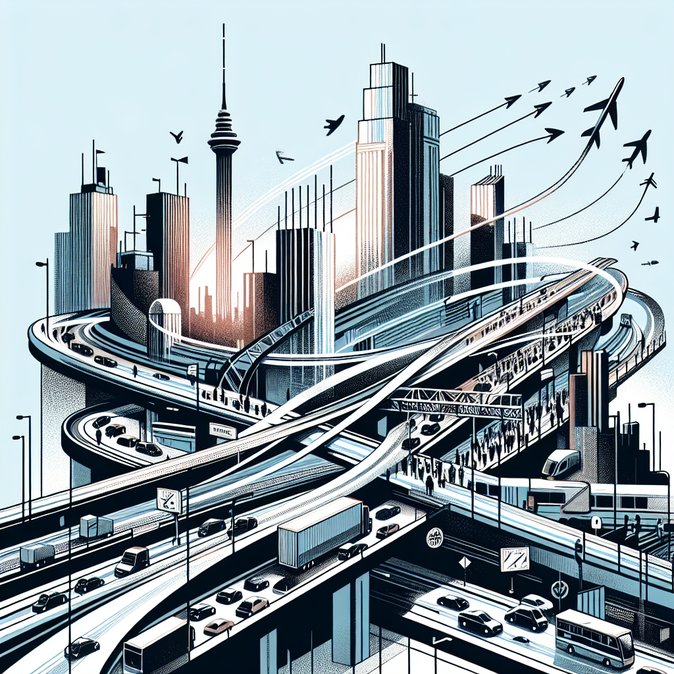
The South China Morning Post drilled into the government’s 11.38 million-passenger projection, noting it is 1.58 million trips higher than last year and equivalent to Hong Kong’s entire population crossing the border 1.5 times during the 10-day window.(scmp.com) Analysts say the rebound is fuelled by pent-up family visits, the return of package tours and a sharp rise in GBA commuters taking advantage of zero-quarantine policies.
Business communities are also driving numbers. Accounting and legal firms report a “February rush” of mainland clients seeking pre-budget consultations, while exhibitions such as the HKTDC Education & Careers Expo are luring overseas vendors. Airlines have added more than 150 extra flights, and high-speed rail operator MTRX is running 50 additional Guangzhou-Shenzhen-Hong Kong services.
Travellers unsure about entry requirements or visa documentation can streamline their preparations through VisaHQ, which provides up-to-date guidance and application services for Hong Kong, the mainland and dozens of other destinations (https://www.visahq.com/hong-kong/). By handling paperwork online, the platform helps visitors avoid last-minute embassy queues and focus on securing scarce seats and hotel rooms during the peak period.
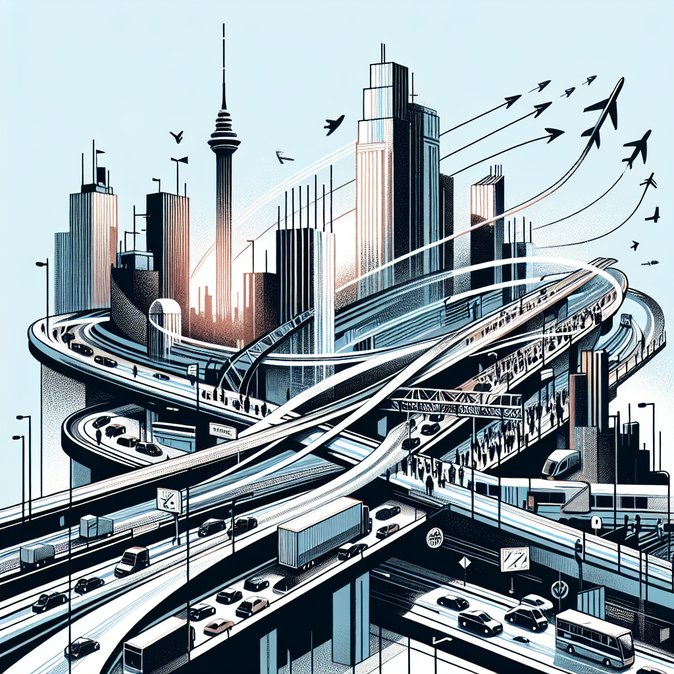
Yet capacity strains lurk beneath the optimism. Travel-management companies warn that Lo Wu’s footbridges operated near 95 % of design capacity during Christmas, raising concerns about crowd safety if similar volumes materialise next week. Hotels in Tsim Sha Tsui are already 90 % booked, pushing room rates up 25 % and complicating last-minute crew layovers.
Corporate mobility teams are adopting mitigation tactics: issuing staff with Octopus-enabled “express clearance” cards, shifting meetings to virtual formats and purchasing flexible airfares that allow rerouting via Macao or Zhuhai. The next ten days will therefore serve as a live stress-test for Hong Kong’s pledge to be “the most convenient gateway” to the Greater Bay Area.