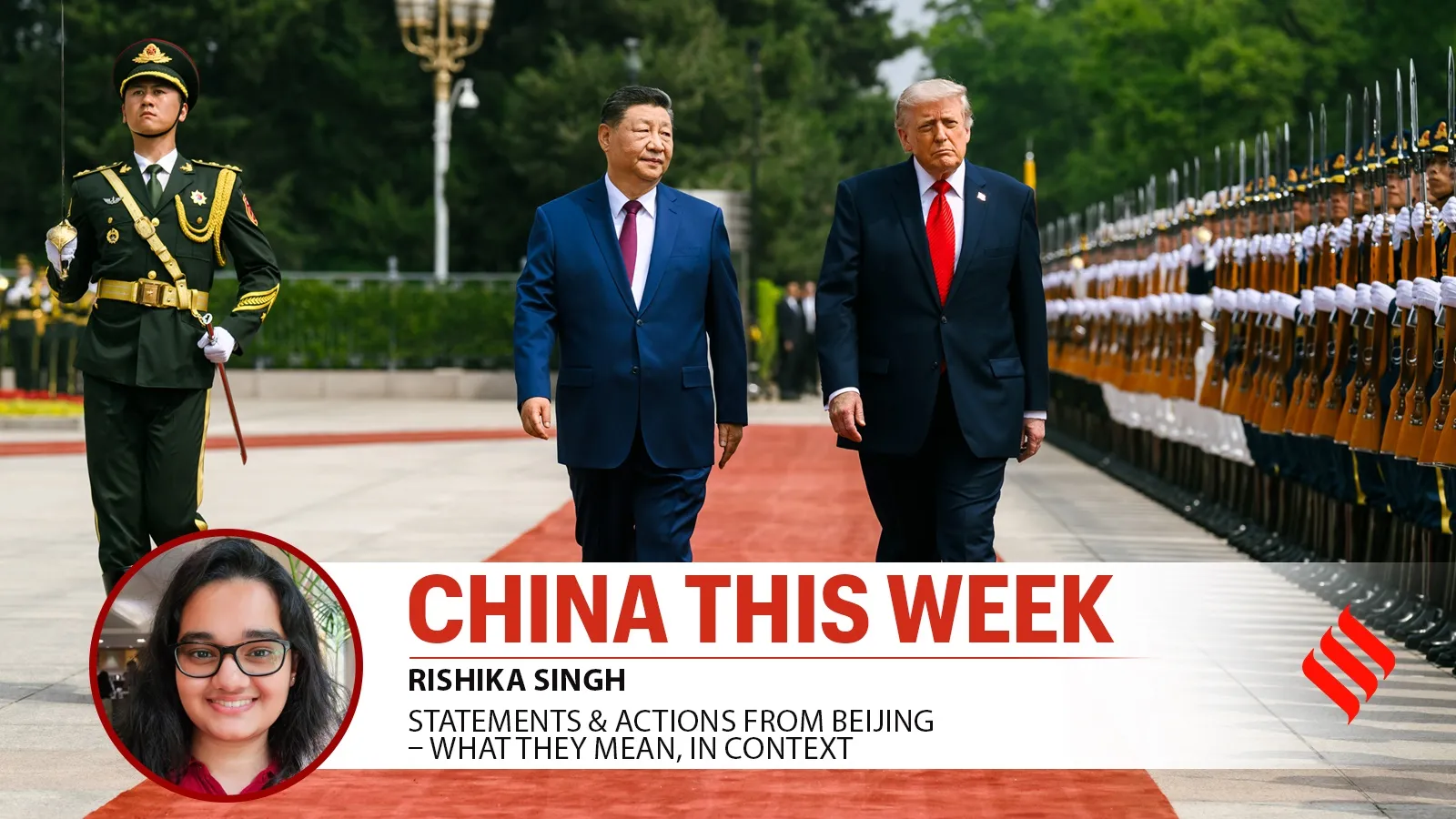
A breakthrough on visa liberalisation crowned Prime Minister Sir Keir Starmer’s three-day visit to Beijing (29–31 January 2026). In a joint communiqué issued in the Great Hall of the People on 31 January, President Xi Jinping confirmed that holders of standard British passports will be able to enter mainland China for up to 30 days without obtaining a visa once the new policy is gazetted, expected before the start of the summer travel season.
1. Context and background – The UK had been excluded from China’s wave of unilateral visa-waiver pilots that began in late 2023 for several EU states. British travellers still faced multi-page application forms, fingerprinting and fees of £151 for a single-entry visa, dampening both leisure and corporate demand. Following months of preparatory talks, London persuaded Beijing that a waiver would boost two-way trade and people-to-people ties without materially increasing overstays. The change coincides with bilateral agreements on whisky tariff cuts and a £10.8 billion expansion by AstraZeneca in China, signalling a wider thaw in relations.
2. What the waiver covers – The concession is unilateral: Chinese travellers will still need visas for the UK. From the date of implementation, UK nationals may enter China visa-free for tourism, business meetings, family visits and transit, provided each stay does not exceed 30 days and the total length of stay does not breach China’s 90-days-per-180-days rule. Travellers must carry proof of onward travel and accommodation; work activities remain prohibited without an appropriate Z-visa or work permit.

For travellers who still need assistance—such as securing a Z-visa for employment, arranging permits for dependants, or simply staying on top of evolving entry rules—VisaHQ offers an end-to-end service and real-time alerts through its UK platform (https://www.visahq.com/united-kingdom/). The agency’s tools can slot into corporate mobility workflows, ensuring compliance even when a trip qualifies for the new visa-free regime.
3. Practical implications – a) Corporate mobility managers should update global travel approval systems to reflect the exemption and remove lead-time warnings for China trips shorter than 30 days. b) Carriers and travel agents must re-configure document-check scripts to avoid erroneous ‘no-visa’ refusals once the policy is live. c) Employees with previous single- or double-entry visas can continue to use them until expiry, but first-time travellers will benefit most. d) Employers should remind staff that the policy does not legalise on-the-ground employment or paid services in China.
4. Risks and watch-points – China retains the right to revoke the waiver unilaterally. Security-sensitive sectors (defence, media, NGOs) may still face secondary screening. The UK has not reciprocated, and pressure may mount at Westminster to offer limited visa facilitation for Chinese scientists and students. Finally, Northern Irish and British/Irish dual nationals must enter on a UK passport to qualify.
The move is the most significant easing of mobility frictions between the two countries since the 2015 ‘Golden Era’ and will materially reduce cost and planning time for UK multinationals with China footprints.