Published on
January 5, 2026

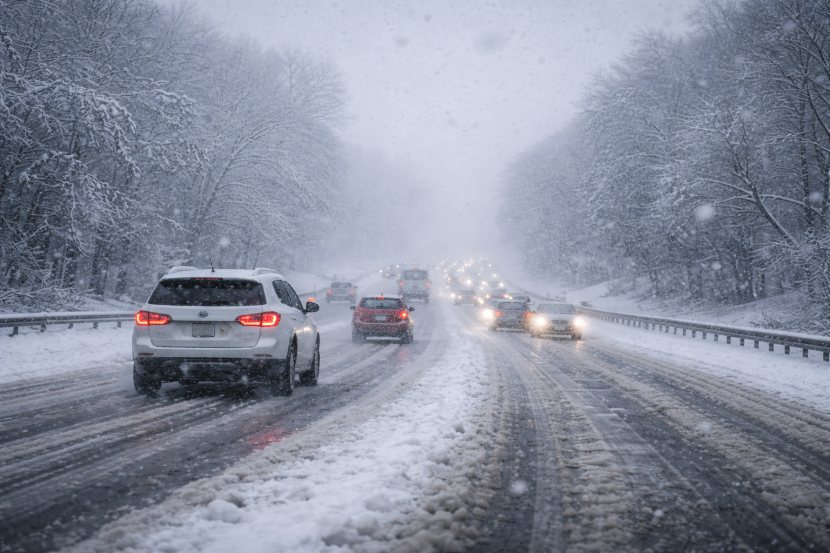
A wintry phase has taken hold across the UK, bringing widespread weather warnings that are expected to influence travel conditions over several days. Temperatures have dropped sharply at the start of 2026, with overnight readings falling well below freezing and daytime values struggling to approach 5°C. These conditions have prompted alerts for snow, ice, and potential travel disruption, affecting large parts of the country and creating challenges for tourists and travelers moving across regions.
The combination of cold Arctic air and moist Atlantic systems has resulted in conditions favourable for snowfall, sleet, and widespread ice. This weather pattern, which began developing over the weekend, is forecast to persist for at least 48 hours. During this period, warnings remain active across multiple regions, signalling the possibility of difficult journeys, hazardous road surfaces, and interruptions to transport plans.
How Early-Year Winter Conditions Can Reshape Travel Behaviour
Early-year winter spells often influence travel behaviour differently across areas such as Scotland, Wales, and parts of the south west of England. In such conditions, travel may become more deliberate, while movement along the eastern coastline of England is sometimes shaped by caution, flexibility, and closer attention to prevailing conditions rather than fixed travel rhythms.
Widespread Weather Warnings Shape Travel Conditions From Scotland to the South West
Weather alerts are scheduled to remain in place from midnight on Monday through to 11am on Tuesday across several areas. On Tuesday, warnings are expected to affect 12 regions, stretching from northern Scotland down through parts of southern England, including Devon and Cornwall. These alerts are centred on snow and ice, both of which can significantly influence travel reliability for visitors and domestic travelers alike.
Separate warning periods are also in effect for specific areas. Wales and the south west of England are covered by a weather warning running from midday on Monday until 11am on Tuesday. Along the eastern coastline of England, another alert is in force from midnight on Sunday through to 11am on Tuesday, highlighting prolonged exposure to icy conditions that may affect coastal routes and travel timing.
Scotland is expected to experience the most intense winter conditions during this period. Forecast data suggests that snowfall accumulations in northern parts of the country could reach depths of up to 47 centimetres. Such levels of snow have the potential to make travel slower and less predictable, particularly for tourists moving between destinations or relying on road transport.
Cold Weather Patterns Influence the Way Journeys Are Approached
Periods of sustained cold and snow often lead travelers to reassess how journeys are planned and carried out. When temperatures remain below freezing overnight and only marginally rise during the day, surfaces are more likely to remain icy, affecting both short-distance and long-distance movement. Under these circumstances, travel decisions tend to be shaped by caution, flexibility, and awareness of changing conditions.
For those already on the move, winter weather of this scale can influence departure times, route choices, and expectations around travel duration. The presence of weather warnings serves as an indication that journeys may not follow usual patterns, encouraging travelers to factor in potential delays and altered conditions while navigating affected regions.
Tourism Movement Adjusts Under Prolonged Winter Alerts
Extended periods of weather warnings can subtly reshape tourism movement without introducing new destinations or activities. Travelers often respond by pacing itineraries differently, adjusting daily plans, or prioritising safety over speed. In a landscape marked by snow and ice, the rhythm of travel naturally shifts, with attention turning toward manageable journeys rather than rapid transitions.
Such conditions can also heighten awareness around regional differences in weather impact. While some areas face heavier snowfall, others experience persistent ice, leading tourists to remain attentive to official alerts and regional advisories throughout their travels. The emphasis during these periods often rests on adaptability and informed movement rather than exploration at scale.
Ongoing Alerts Highlight Continued Impact on Travel Planning
With warnings remaining active across multiple days, the overall travel environment is expected to remain unsettled. The overlap of different warning periods across Scotland, Wales, the south west, and the eastern coastline of England reflects the broad reach of the winter system. For travelers, this means that journeys taken during this time are likely to be influenced by prevailing weather conditions rather than routine schedules.
As the cold spell continues, the combination of snow accumulation, ice formation, and low daytime temperatures reinforces the need for awareness around travel disruption. While conditions vary by region, the shared presence of winter alerts underscores a nationwide impact on movement during the early days of the year.
Image Source: AI