[The content of this article has been produced by our advertising partner.]
From their late teens to their 80s, community members discovered new skills, confidence and a sense of national pride through the 15th National Games Volunteer Programme.
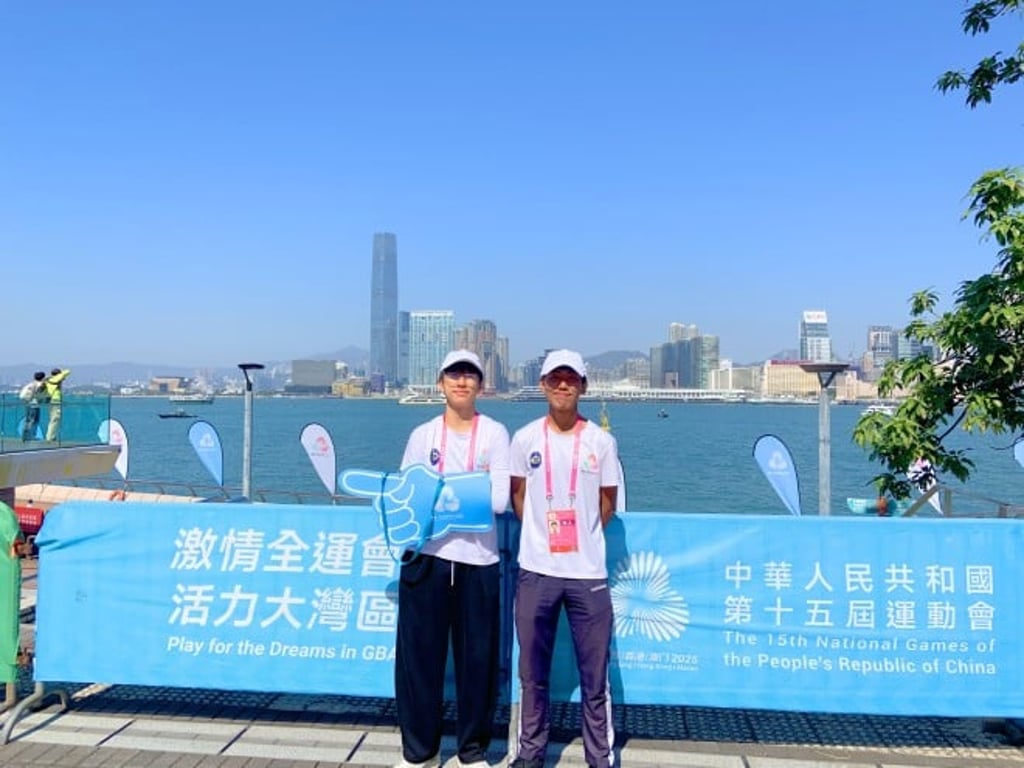
The 15th National Games Volunteer Programme depended on thousands of volunteers who directed crowds, assisted athletes and managed the steady flow of visitors at arenas and roadside checkpoints.
Their work was of vital importance to the smooth running of the events. Many volunteers also found personal rewards, from greater confidence to stronger ties with the community, as they worked side by side with people they had never met before.
Across several weeks, volunteers endured early starts, shifting roles and long hours under the sun or inside packed venues. They guided visitors to viewing spots, gave directions to visiting media, offered reassurance to lost spectators and stood for hours at cycling routes where even a brief slip could disrupt an entire race.
Balancing a full-time career with a leadership role
For Vanessa Cheung, a volunteer leader, the Games fitted into a schedule already packed with work and community projects. She spent her weekdays running sustainability projects for her company and her weekends recording stories about Hong Kong’s traditional shops through her social enterprise.
She said her employer is supportive of staff members who wish to join public service programmes. This helped her manage her shifts during the Games without feeling she had to justify the time required.
Her role at the Rugby Sevens tournament was to support the on-site media requests and arrangements. The control room was busy, with groups of volunteers and reporters moving in and out constantly.
She helped produce signage in order to make instructions clear while giving the space a more welcoming feel. Using a design app, she created stickers for each volunteer team. Some showed cheerful characters and were meant to brighten tired faces after long hours.
As a leader – the frontline tier responsible for guiding teams of around 10 to 20 volunteers and relaying instructions from upper-level leaders – she co-ordinated team movements, handled queries from media crews and filled in at short notice when plans changed.
She drew on communication and planning skills from her corporate sustainability and ESG work, where she liaised with stakeholders across Hong Kong and the mainland. Her volunteer role provided a platform to represent Hong Kong on the international stage and to observe firsthand the enduring strength and resilience of our motherland.
“Working in ESG already pushes me to think about community impact. Volunteering gives me a ground-level view of what people need and how they respond. It makes the ESG work feel more real,” said Cheung.
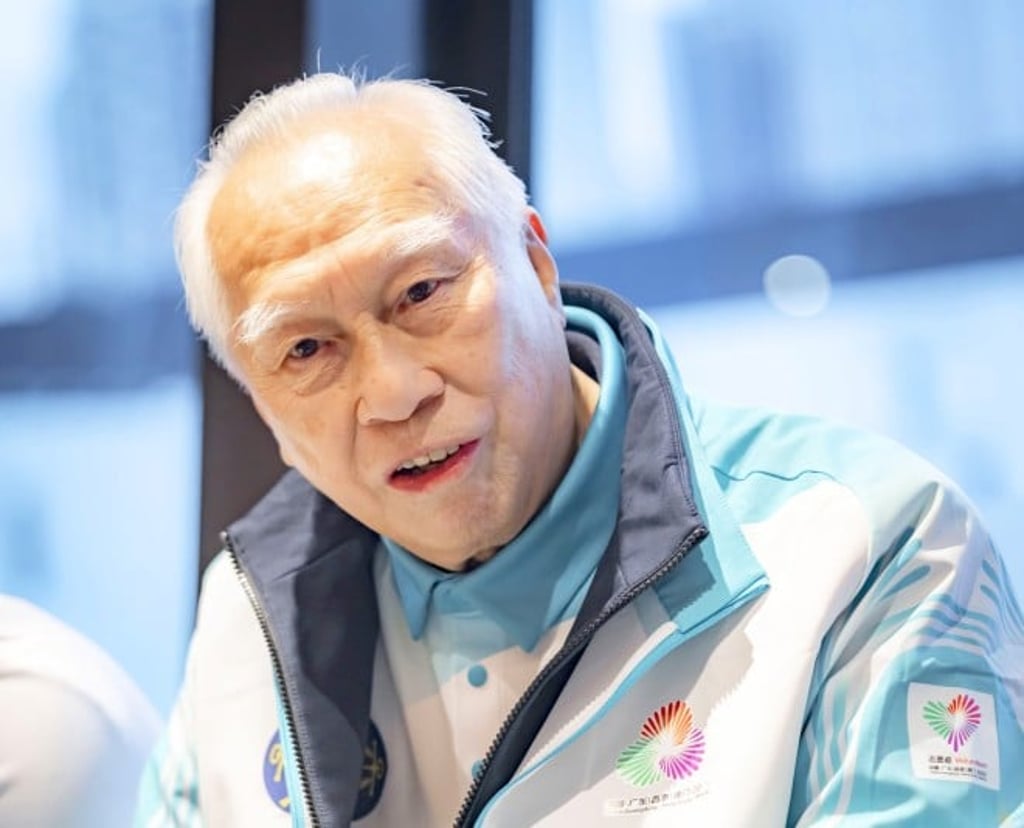
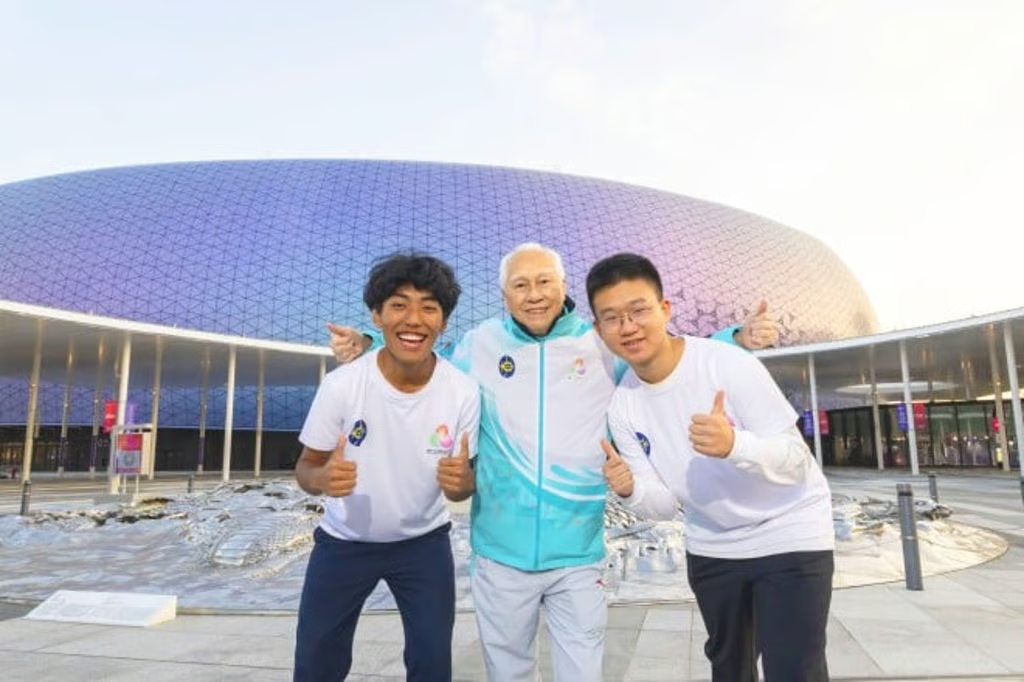
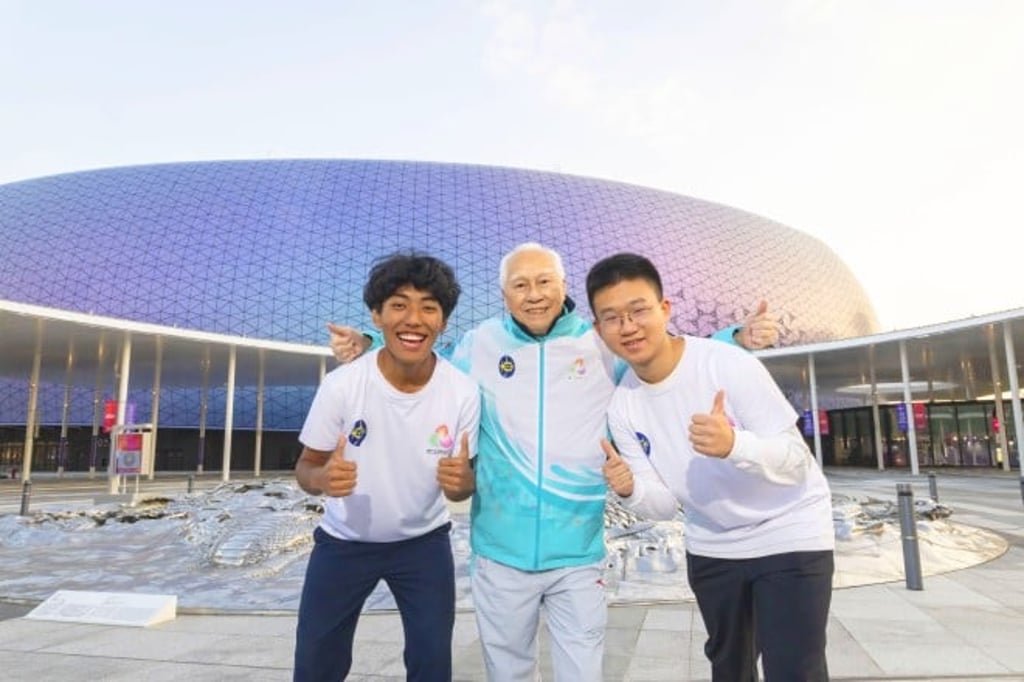
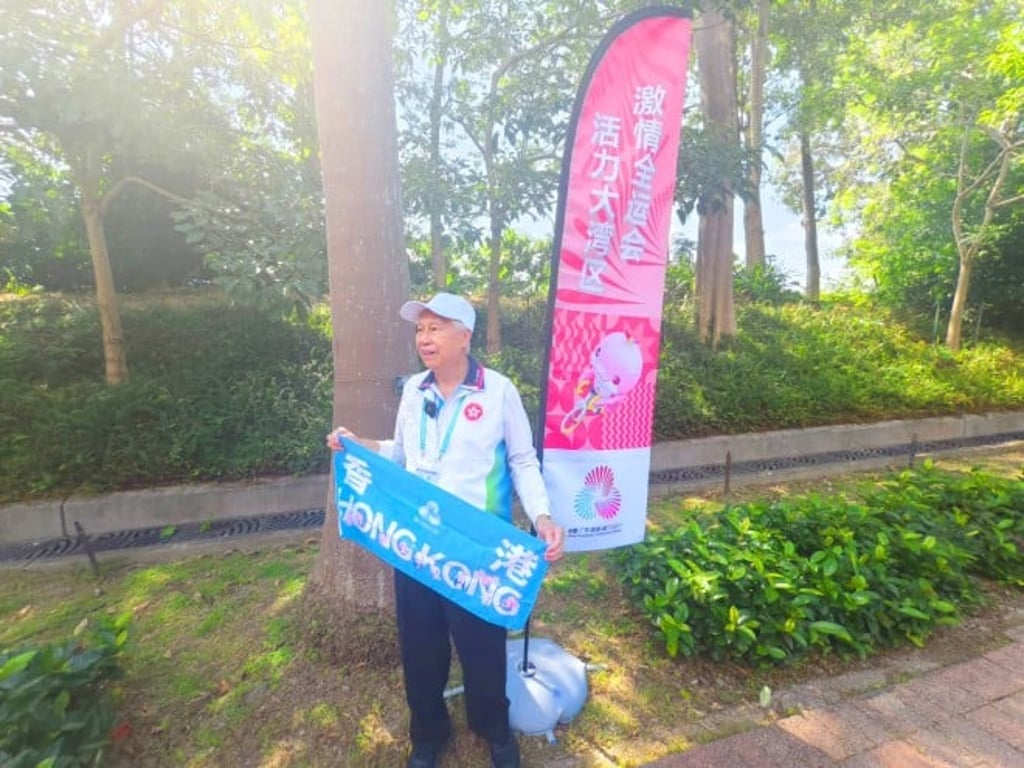
Chan Yee-pon, aged 82, has volunteered for nearly half a century. He joined the Games without any fanfare, saying he simply wanted to stay active and put his experience to work.
Over the years he has handled crowd flow at festivals, joined traffic safety teams and helped during neighbourhood emergencies. He speaks plainly, but his stories reveal knowledge built through decades of tense moments.
Young volunteers often approach him with questions. Some call him “Uncle” and marvel at his pace when he walks ahead to check conditions. He chuckles when this is mentioned. He enjoys seeing teenagers join the programme. Their lack of experience is never an issue for him. He said: “If they show up, that is already good. They learn fast.”
“Before I start any duty, I walk the whole area first,” he said. “We must see where people might get stuck, where someone could fall, where a crowd might push too close to the barriers. Once we understand the ground, then you can decide what to do. And we always keep another route in your head because things change.”
The way he carried out his own reconnaissance of each site became a form of tacit knowledge for the younger volunteers who shadowed him. They learned that steady ground work often prevents problems long before they appear.
Confidence gained through service
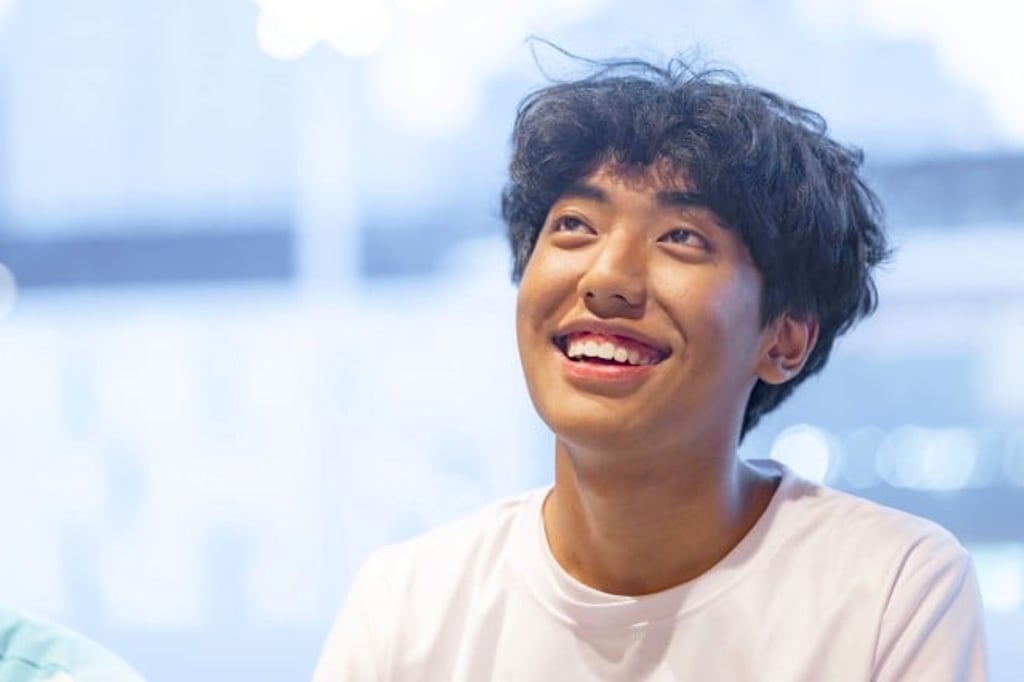
For Limbu Basant, a student who moved to Hong Kong as a child, volunteering offered a chance to step into public life. His teacher encouraged him to join, believing it would give him experience he could use later. He hesitated at first because of his limited Cantonese, yet he wanted to try.
He relied on a translation app during the first few days. When spectators asked him for directions, he typed out their questions and showed them translated answers. When he struggled, he asked other volunteers to help. Each day he initiated more conversations and relied less on his phone. “There were times I felt nervous,” he said. “But if you make an effort, people respond kindly.”
As shown by Basant’s participation, the Games showed that youth from ethnic minority communities can play an active part in citywide events. He said he would volunteer again and hopes other students will follow.
“Volunteering helped me open up. At first I was shy and didn’t know how to talk to strangers, but each day I tried a bit more. Other volunteers were kind, and that made it easier for me to speak.”
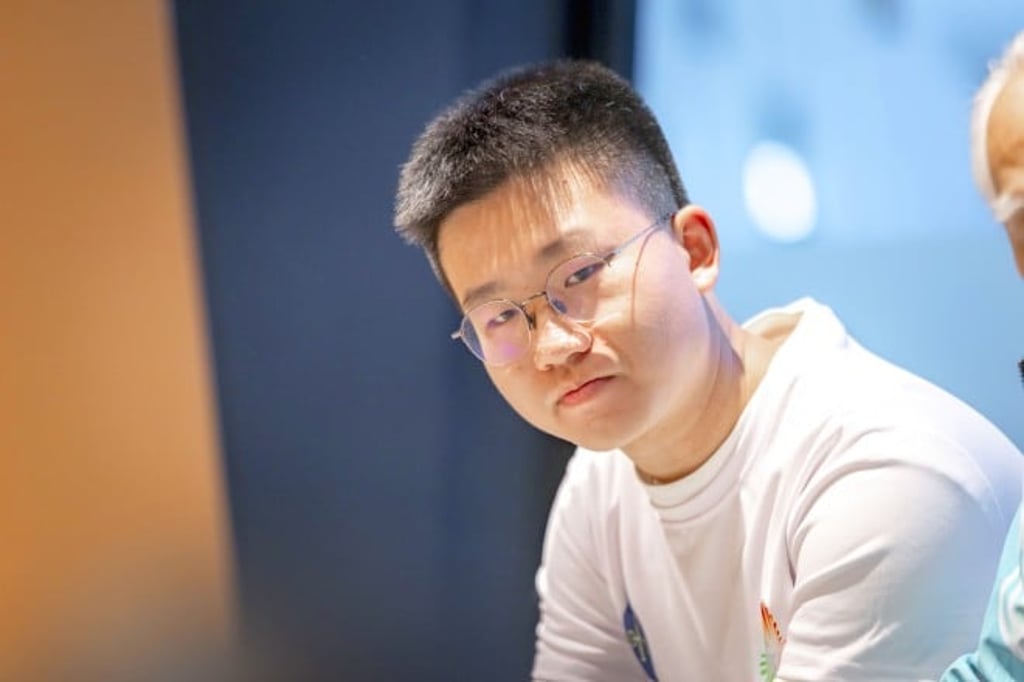
Leo Wong, a Form Six student, joined the programme with a clear goal. He wanted to broaden his experience before applying for university, but he also wanted to understand how a major event operates.
He was assigned to different positions across the two days he served. His first lesson came when he underestimated the time needed to reach his station in Central due to road closures.
He left home based on the usual travel time, only to find pavements blocked and diversions in place. He arrived just in time, breathless and surprised by how little his normal routine prepared him for such conditions.
During the Games, he stood outside arenas giving directions to spectators without tickets. On other shifts he guided athletes and helped escort them for interviews. He endured long periods without shade and joked that the hardest part was waking up early. But he also gained patience, punctuality and a better sense of how to move around the city during large events.
“Watching the provincial teams race past made me realise how big the world is. Hong Kong suddenly felt small compared with them. It pushed me to think further. There is more to learn,” he said. Taking part also gave him a quiet sense of national pride. Being on the ground helping the event run smoothly made him feel connected to something larger than himself. He added that he had recently completed a first aid course and hoped this would allow him to assist at future events.
What the volunteers gained in return