 Credit: (NJ Spotlight News)
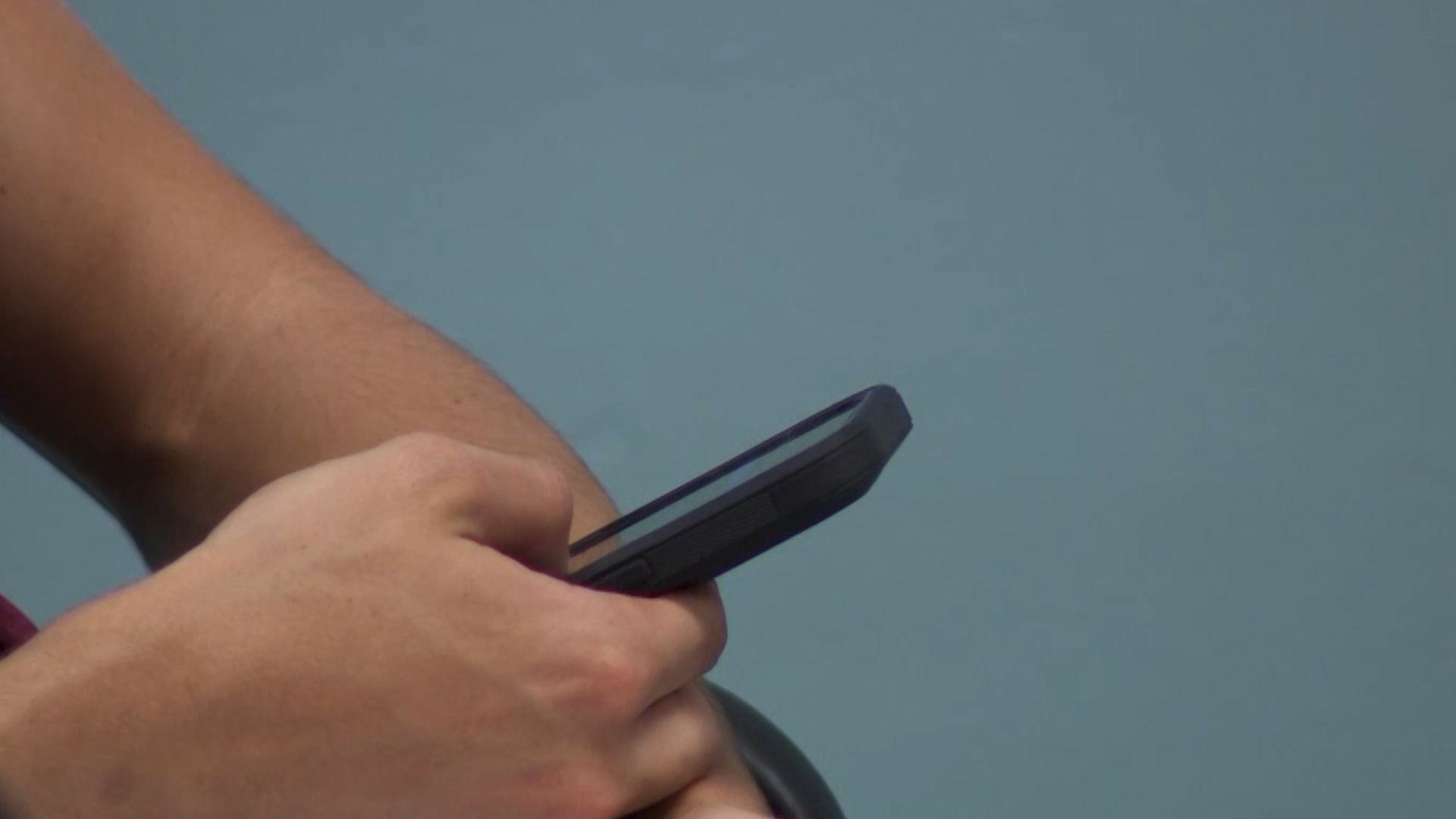
More New Jersey public school students could soon be restricted from using smartphones and other devices with internet access throughout the school day, an effort by legislators and policy makers to limit classroom distractions and improve children’s mental health.
Under a bill pending before New Jersey lawmakers, the state’s education commissioner would be required to help school boards develop policies concerning students’ use of smartphones, tablets and other devices that have internet access during regular school hours. The restrictions would also cover students while riding on school buses or during school-sanctioned events under the direct supervision of teachers.

The state guidelines would prohibit using these devices for non-academic purposes during the school day and address cellphone use in case of an emergency, according to the bill. These recommendations would also need to be consistent with state and federal laws regarding accommodations for students with disabilities, among other requirements.
“The thought process behind this bill was really, ‘How do we help kids in school engage in the learning environment and not necessarily in the outside noise that … is causing students heightened anxiety and certainly behavioral issues?’” said Assemblywoman Rosaura Bagolie (D-Essex), a primary sponsor of the bill and superintendent of the East Newark School District.
The bill has the backing of Gov. Phil Murphy, who expressed his support for the proposal during his State of the State address earlier this year and reiterated the need for these restrictions during an interview last week with NJ Spotlight News. There is a growing sense of urgency to sign the bill into law, as Murphy is set to leave office on Jan. 20 after eight years as the state’s chief executive.
“If I had a wish list right now, it would be — and I’m praying that we get it to my desk — to sign a bell-to-bell ban of cellphones, which we would really like to get and I’m hopeful we will get,” Murphy said. “That would be a game changer and the evidence is overwhelming.”
The bill in the Legislature seeks to codify into law recent guidance from the state Department of Education that provides New Jersey public schools districts, charter schools and renaissance schools with guidelines for developing and implementing local policies regarding student use of smartphones and other devices with internet access.

The state guidance recommends, at a minimum, that schools limit the use of these devices during instructional time for students in kindergarten through 12th grade. However, the guidelines also encourage districts to limit student cellphone use throughout the full school day.
School cellphone bans and restrictions are not new. Some New Jersey school districts have these policies in place, with several using pouches to lock up phones throughout the day. Cell phone policies are determined by individual school districts.
In Jersey City, one of the state’s largest school districts, board members voted unanimously earlier this year to ban cell phones in classrooms. Phones can be used during lunch and recess, but not during bathroom breaks, according to the policy. During class, they must be turned off or on airplane mode and stored in a student’s backpack or storage unit.
The policy includes exceptions for emergencies and for students with disabilities and health needs, which is in line with state guidance.
Since the policy has gone into effect, there’s been more socialization among students, which is “very important” because schooling is not just the acquisition of knowledge, Norma Fernandez, the superintendent of Jersey City public schools, said in an interview with NJ Spotlight News.
“It’s the development of social skills, of interactions, of communications, and not just texting or scrolling through the ideal world of Instagram (and) TikTok,” Fernandez said.
Fernandez noted a decrease in student suspensions and in the number of students expressing suicidal ideation in the school district since the policy has gone into effect. Students have also been more engaged in learning, Fernandez said.

Earlier this year, a state commission released a 47-page report titled “Growing Up Online” about the effects of social media use on adolescents. The report noted that while social media offers opportunities for connection, it poses serious risks including cyberbullying, sleep disruptions and declines in youth mental health. Among many other recommendations, the commission suggested that school districts adopt and implement policies that ban cell phones and social media in schools from “bell-to-bell.”
Robin Cogan, who was appointed by Murphy to serve on the commission, told NJ Spotlight News that one of the big takeaways from the commission’s report was safety while underscoring that this work was bigger than just banning phones.
“We want success to look like calmer classrooms. We want safety for students to feel like they belong. We want fewer online fights that then come back into school, and we want kids actually sitting and talking to each other at lunch,” said Cogan, the New Jersey director for the National Association of School Nurses.
“The truth is, if we get this right, phones won’t run the school day like they do. It will be based on learning and building relationships, which is missing,” said Cogan.
The bill passed the Senate and is currently pending in the Assembly. Lawmakers must act on the bill as the current two-year legislative session ends in January. If the bill does not pass, it will need to be reintroduced during the next Legislative session.
— Hannah Gross contributed reporting for this story.