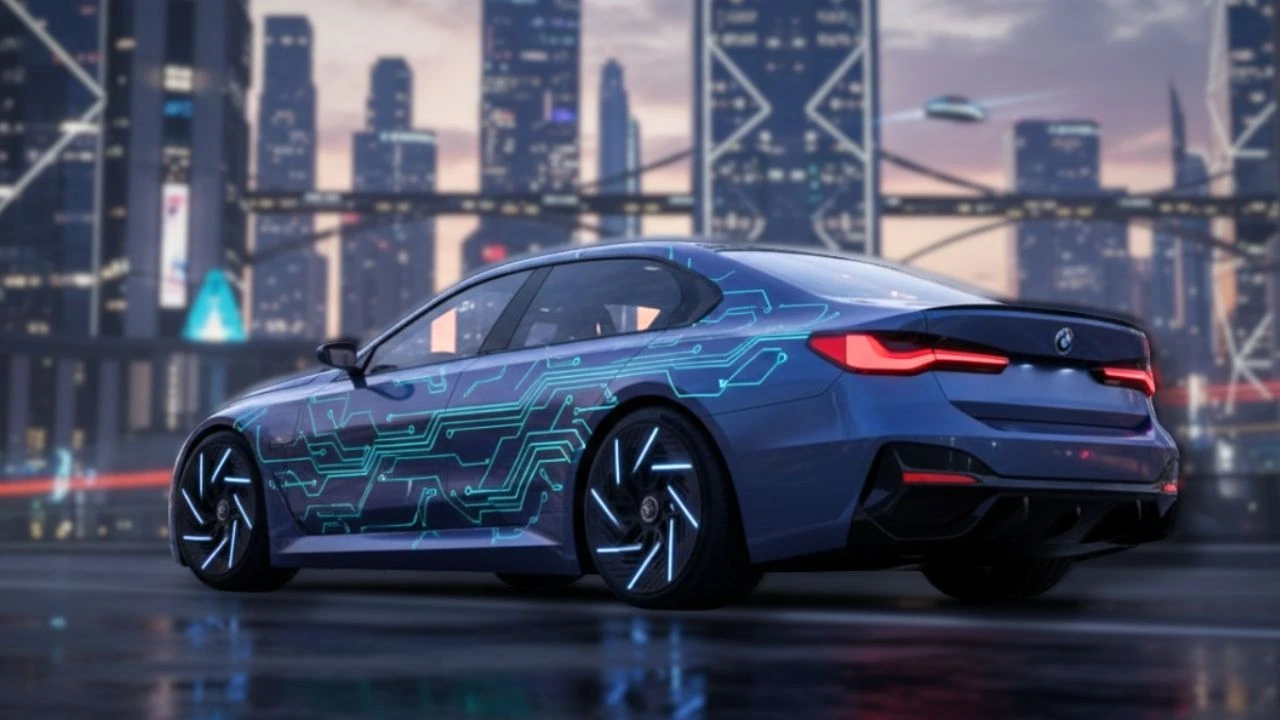
In a stunning turn of events, BMW has announced it is halting production of its most awaited prototype, a move that has left the automotive industry and its fans in shock. The decision came with an unexpected admission from the company’s leadership: “We see no real demand.” The prototype, which had been teased for months and was expected to push the boundaries of luxury car innovation, now faces an uncertain future.
Also Read
Europe Bans Toxic Chromium in Car Manufacturing—California Could Be Next
BMW Cancels Upcoming Prototype
This unprecedented move marks a significant shift in the way automakers approach product development, especially when it comes to ambitious, high-end prototypes. For a company like BMW, known for its precision engineering and market-leading technology, pulling the plug on such a high-profile project raises several questions. Is the market really saturated with the luxury vehicle options BMW was planning to offer, or does this reflect a deeper issue within the automotive industry as a whole?
This article examines the circumstances surrounding BMW’s surprising decision, the broader implications for the automotive market, and what this signals for the future of luxury vehicles in a rapidly changing market.
Also Read

2025 Chevrolet Chevelle Super Sport – The Muscle Car of the Future with Classic Power
Key Facts of BMW’s Prototype Halt
| Category | Details |
|---|---|
| Prototype Model | BMW’s most awaited luxury concept vehicle |
| Reason for Halt | Lack of market demand according to BMW leadership |
| Official Statement | “We see no real demand” for the prototype |
| Project Timeline | Initial launch planned for late 2025; production ceased abruptly |
| Impact on Market | Signals a potential shift in consumer interest for luxury cars |
| Expected Impact on BMW | Re-evaluation of future vehicle concepts and market research |
What Was the Prototype BMW Planned to Release?
The halted prototype was designed as a flagship luxury model, expected to feature cutting-edge technology, extreme performance capabilities, and the latest innovations in sustainable mobility. BMW had been heavily marketing the vehicle as a revolutionary addition to its lineup, showcasing futuristic features such as AI-powered driving assistants, electric powertrains, and autonomous driving capabilities.
At the heart of the prototype’s allure was its promised luxury experience combined with the latest in sustainability, tapping into the growing consumer interest in electric vehicles. This was a vehicle designed to compete with other premium offerings from the likes of Mercedes-Benz and Audi, and to establish BMW as a leader in the next generation of high-performance, luxury electric cars.
Also Read

XPeng AeroHT to Launch Flying Cars in U.S. by 2026 — Changing the Future of Commuting
However, despite the company’s high hopes for the vehicle, it seems the market response was not as expected. BMW’s decision to pause production has sparked significant debate about consumer preferences and whether the market for high-end electric vehicles is truly as expansive as automakers had hoped.
BMW’s Surprising Admission: ‘We See No Real Demand’
In an official statement, BMW’s executive team admitted that after conducting thorough market research and evaluating customer interest, they concluded that the demand for the prototype was lower than anticipated. The statement reads:
Also Read

2026 Joby S4 Electric Air Taxi: Revolutionizing Air Travel with 200MPH Silent Flights
“We see no real demand for this model as we had projected. After careful consideration, we’ve decided to reallocate resources to projects that are in line with current consumer expectations.”
Also Read

2026 Archer Midnight Air Taxi: Silent City-to-Airport Flights Begin
This admission represents a stark contrast to the automaker’s initial projections. Industry insiders had predicted that the vehicle would be a game-changer in the luxury car segment, with consumers eager to embrace the combination of futuristic design and eco-friendly engineering. However, it seems that the broader luxury vehicle market may not be as ready to embrace such radical innovation.
“BMW’s decision reflects a larger trend we’re seeing in the automotive industry,” says Michael Harris, an automotive industry analyst. “While automakers have been rushing to release the next big thing, consumer interest has not been as enthusiastic as anticipated. The high-end electric vehicle market is still evolving, and it’s clear that automakers need to carefully balance innovation with consumer readiness.”
The Changing Landscape of Luxury Car Demand
BMW’s decision comes at a time when the luxury automotive market is facing some major shifts. While there has been substantial growth in the demand for electric vehicles (EVs), particularly among mainstream buyers, the high-end luxury market has proven more difficult to crack. Several factors may contribute to this:
- Saturation of High-End EVs: Luxury automakers have been quick to release their own electric vehicles in recent years, leading to a growing number of options in the high-end electric car segment.
- Cost Sensitivity: High-performance electric vehicles are often priced at a premium, and as the market for EVs becomes more competitive, consumers may be hesitant to commit to high-cost luxury models without clearer indications of value.
- Consumer Shifts in Preferences: As seen with the rise in popularity of hybrid vehicles, many consumers are still not fully committed to fully electric solutions, especially in the luxury space, where performance and traditional luxury features are still highly valued.
- Economic Uncertainty: With economic fluctuations and uncertain global markets, some buyers may be more reluctant to invest in high-end, futuristic vehicles that lack immediate, practical benefits.
Does This Reflect Broader Industry Challenges?
BMW’s decision to halt production could be an indicator of a broader trend within the automotive industry. Several other luxury automakers have faced similar challenges when trying to introduce radically new concepts or fully electric high-performance models to the market.
In a survey conducted by Automotive Trends Research Group, nearly 42% of luxury car buyers said they were “not ready to make the switch” to fully electric vehicles, citing concerns over charging infrastructure, vehicle range, and the overall cost of ownership.
Additionally, traditional performance features like horsepower, handling precision, and luxury interiors continue to hold immense value in the luxury car segment. Electric vehicles, while innovative, may still be viewed by some as lacking the visceral connection that traditional internal combustion engine (ICE) vehicles provide.
What’s Next for BMW?
BMW’s halt on its most awaited prototype is not the end of its innovation pipeline but rather an indication that the company is taking a step back to reassess its approach. BMW’s leadership has already outlined plans to focus on existing electric vehicle platforms that have already seen market success, such as the BMW i4 and BMW iX.
Additionally, the company is exploring new hybrid models, which combine traditional engine technology with electric power, offering consumers a bridge between performance and sustainability. This pivot comes as automakers realize that full-electric luxury vehicles might need more time to evolve before they can truly meet the expectations of high-end buyers.
“BMW is adjusting its strategy, but the market is still very much open for the right kind of vehicle,” says Catherine Muir, a leading automotive industry consultant. “The next few years will be critical as automakers fine-tune their approach to high-end EVs and better align with what consumers want.”
What Does This Mean for the Future of Automotive Innovation?
BMW’s decision to pause its prototype production signals a critical juncture for the automotive industry. It demonstrates the importance of market research and consumer feedback in shaping future vehicle development, particularly when it comes to high-end models that require significant investment. While automotive innovation remains at the heart of the industry, companies like BMW will need to navigate an increasingly competitive and price-sensitive market.
This situation also raises important questions about the direction of future automotive technologies. While sustainability is crucial, automakers must also maintain the luxury appeal and performance features that attract their core customer base. The shift toward electric vehicles might need to be more gradual, allowing for better infrastructure, more competitive pricing, and deeper consumer education before the full transition to electric vehicles becomes mainstream in the luxury market.
FAQs
Why did BMW halt its most anticipated prototype?
BMW cited a lack of demand for the prototype, despite initial expectations that the vehicle would be well-received in the luxury electric vehicle market.
What does this decision mean for the future of luxury EVs?
The decision indicates that consumer interest in high-end electric vehicles may not be as strong as anticipated, and automakers need to better align their innovation with actual market demand.
Will BMW still focus on electric vehicles?
Yes, BMW is continuing to invest in electric vehicles, but it will refocus on models that have already seen market success, including the BMW i4 and BMW iX, while also exploring hybrid options.
Does this affect other automakers?
Yes, this could be a bellwether for other automakers, signaling the need for a more gradual transition to electric vehicles in the luxury sector.