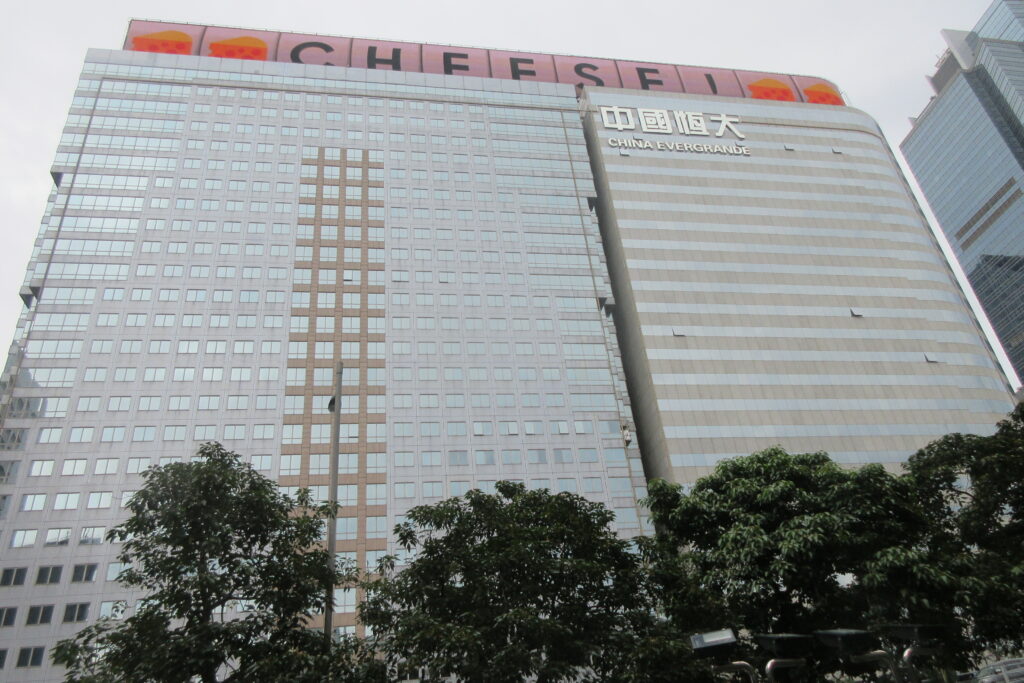
Once the leader of China’s real estate market, it later triggered the Chinese housing crisis. Evergrande Group(中國恆大)週二(8月12日)發出公告,將在8月25日從香港交易所(港交所)正式除牌退市,這意味著恆大約16年的上市之路將終結。
According to Evergrande’s announcement, it received a letter from the Hong Kong Stock Exchange on the 8th, stating that since the company failed to meet any requirements of the resumption of trading guidelines imposed by the Hong Kong Stock Exchange, and the shares have been suspended from trading and have not resumed before July 2025, 7, the Hong Kong Stock Exchange’s Listing Committee has decided to cancel the company’s listing status in accordance with Article 28A (6.01) of the Listing Rules.
The announcement indicated that the last day of listing for China Evergrande shares will be the 22nd, and their listing will be delisted from 25:9 a.m. on the XNUMXth. The company has no intention of seeking a review of the Listing Committee’s decision to delist.
According to a report by mainland media outlet First Financial Daily, Evergrande was founded by Xu Jiayin in Guangzhou in 1996 and listed in Hong Kong on November 2009, 11. With a market capitalization of over HK$5 billion, it became the largest Chinese private real estate company listed in Hong Kong at the time. In 700, it achieved sales of RMB 2016 billion (the same below) and became the largest Chinese real estate company. At the same time, it entered the Fortune Global 3734, with total assets exceeding one trillion yuan.
In 2017, Evergrande reached new heights, achieving total assets of 1.7 trillion yuan, core net profit of 405 billion yuan, and sales of more than 3700 billion yuan, all ranking first in the industry; Xu Jiayin also topped the Hurun Rich List with a net worth of 2900 billion yuan, becoming China’s richest man for the first time.
It was not until the Chinese authorities set the “three red lines” for real estate companies in 2020 (including that the debt-to-asset ratio excluding prepayments shall not exceed 70%, the net debt ratio shall not exceed 100%, and the cash-to-short-term debt ratio shall not be less than 1), that the capital chain of Chinese real estate companies relying on “high leverage and high borrowing” for development was broken. Evergrande was not spared and collapsed in 2021, triggering global concerns about the spread of the crisis in China’s real estate market.
Evergrande subsequently disclosed operating data for the 2021 and 2022 fiscal years, showing combined losses exceeding 8000 billion yuan. Its total debt reached a staggering 2022 trillion yuan in 2.4, setting a new record for Chinese companies. Subsequently, Evergrande Real Estate and Xu Jiayin were investigated, and Evergrande’s overseas debt restructuring plan, which had been underway for over two years, remained elusive.
On January 2024, 1, the Hong Kong High Court ordered Evergrande to be wound up (liquidated) and appointed liquidators to take over Evergrande’s domestic and overseas assets. This became the largest liquidation case among Hong Kong-listed companies, and trading of Evergrande’s shares was subsequently suspended.
According to the Hong Kong Stock Exchange regulations, securities that have been suspended from trading for 18 consecutive months may be delisted. Evergrande’s deadline expired on July 7 this year.