Powder and Yahoo may earn commission from links in this article.
Revenue and visitation at Vail Resorts’ North American destinations have dropped this winter amidst what its CEO, Rob Katz, said many would consider a “worst-case weather scenario,” nodding to the snow drought that’s gripped mountain states across the West.
In a news release for investors, the company, which owns numerous ski resorts and sells the Epic Pass, shared stats that compared this season so far to the last.
Skier visits fell 11.9%, while total lift revenue, including applicable pass sales, took a smaller 3.6% hit. Ski school revenue, dining revenue, and retail/rental revenue were down 8.2%, 8.6%, and 5.7%, respectively.
In the second quarter, ski resort net revenue decreased $53.2 million, or 4.7%. As expected, Vail Resorts mainly attributed that change to “unfavorable weather conditions.”
“This has been the most challenging winter across the Rockies that we have ever experienced with the lowest snowfall levels in more than 30 years for our Colorado and Utah resorts, combined with warmer temperatures, resulting in reduced terrain throughout the quarter and into February,” said Katz in the release.
Vail Resorts’ stock price ($MTN) fell more than 3% after the earnings call.
The 2026 POWDER Photo Annual is here! Look for a print copy on a newsstand near you, or click here to have a copy shipped directly to your front door.

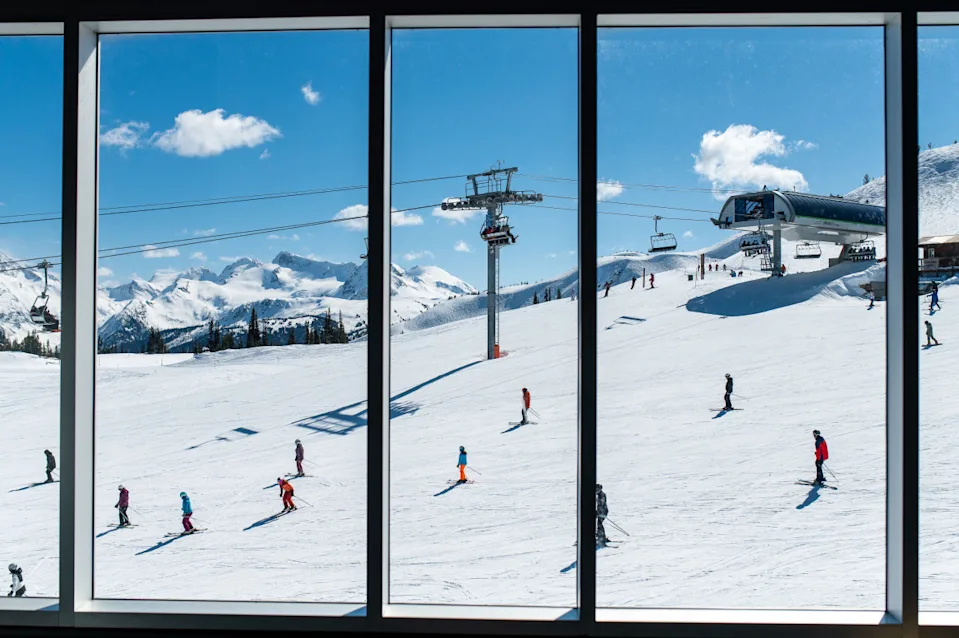
Photo: James MacDonald/Bloomberg via Getty Images
· Photo: James MacDonald/Bloomberg via Getty Images
Still, Katz said Vail Resorts was pleased with the “strength and stability shown by our operating model” amid the tough season, calling the fall off in lift revenue “modest.”
Like other companies in the business of selling ski passes, Vail Resorts aims to get skiers to commit to a pass or tickets in advance. Epic Passes for the 2026-27 season went on sale earlier this month.
That approach can smooth over variability in the weather. If skiers pay for their skiing before the winter starts, bad snow years have less of a financial impact.
But to buy food at the lodge or rent skis, skiers still have to go skiing. This year, at least at Vail Resorts’ mountains, they aren’t doing so as much as they did last winter.

Photo: Andy Cross/The Denver Post via Getty Images
· Photo: Andy Cross/The Denver Post via Getty Images
Katz ended his comment on a positive note.
“I am confident that with our collective strength and focus, we will continue to elevate the guest experience and deliver sustainable long-term value for shareholders,” he said.
Vail Resorts’ main competitor, Alterra Mountain Company, doesn’t share detailed snapshots of its visitation or lift revenue metrics because it’s privately held.
While this season’s story has often been one of heartache for Western skiers and ski resort businesses, there have been plenty of brighter, snowier spots.
Last week, Utah’s Cottonwoods were hit with a storm that delivered memorable conditions. And in the Pacific Northwest, an intense cycle that could drop as much as eight feet of snow on some mountains is expected to arrive in the coming days.

