Published on
January 10, 2026
The United States Citizenship and Immigration Services (USCIS) has announced a sweeping update to visa processing fees affecting some of the most commonly used U.S. visas, including H‑1B work visas, F‑1 student visas, and L‑1 intracompany transfer visas. This policy change, effective 2026, signals a major shift in U.S. immigration cost structures and is expected to affect thousands of international applicants, employers, universities, and global talent planners.
The updates come as part of USCIS’s ongoing efforts to align fee revenue with the growing costs of processing and administrating immigration benefits, amid broader changes in global visa fee trends. Other countries such as Canada, the United Kingdom, Australia, Germany, and Japan have also recently revised immigration costs, reflecting rising operational demands and shifting travel patterns.
What the New USCIS Visa Fee Schedule Includes
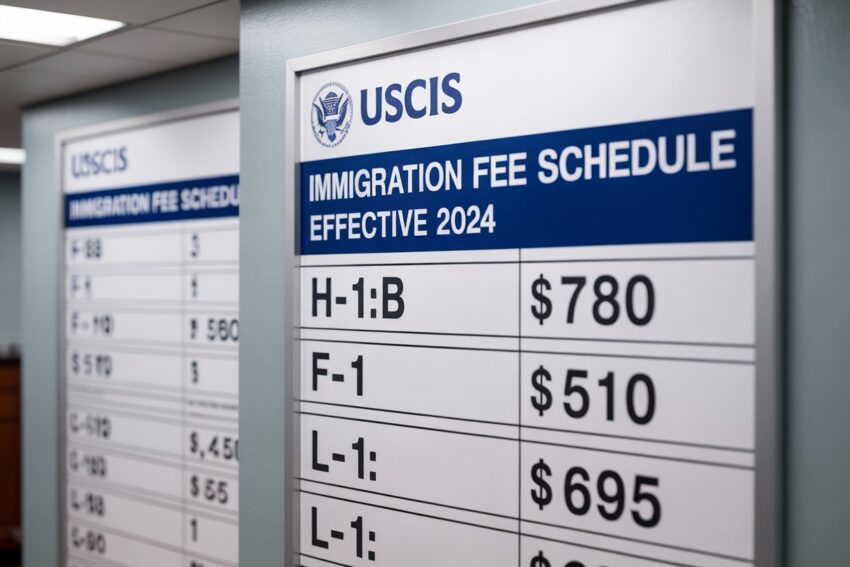
USCIS’s new fee schedule introduces increased charges for key visa categories that millions of foreign nationals rely upon:
H‑1B Work Visas – Traditionally used by U.S. companies to employ specialized foreign workers in fields like technology, engineering, and healthcare, the H‑1B visa has seen a fee increase designed to support administrative costs, enforcement, and policy implementation.
F‑1 Student Visas – Used by international students pursuing academic studies in the U.S., F‑1 fees have also risen, affecting schools, students, and associated dependents. These changes may compound other costs such as SEVIS fees and travel expenses.
L‑1 Intracompany Transfer Visas – For multinational companies relocating employees to U.S. branches, the updated fee structure increases the cost of internal mobility and talent deployment.
In addition to these categories, USCIS has revised associated application and petition fees, impacting premium processing upgrades, employer‑sponsored petitions, and certain renewal services. Premium processing, which allows faster adjudication of applications for an additional fee, has also seen a recalibration in pricing.
Why USCIS Raised Visa Fees
According to the official notice, increases are driven by the need to sustain service levels amid rising operating costs, increased immigration filings, and inflation‑linked budget pressures. USCIS is funded almost entirely by application fees, unlike other federal agencies, meaning fee adjustments are necessary to ensure the agency can effectively manage workloads and maintain standards.
USCIS leadership has emphasized that fee changes are not policy reforms themselves, but rather financial adjustments intended to align revenue with the costs of administering visa programs, adjudicating petitions, and implementing updated technology and security measures. However, visa applicants and stakeholders argue the increases will have real effects on travel planning and immigration strategies.
Impact on Employers, Universities, and Travelers
For U.S. employers, especially those in technology, research, and healthcare, the H‑1B visa fee increase could translate to higher costs for hiring and retaining international talent. Companies that rely heavily on foreign professionals may need to revise budgets and labor strategies to accommodate the new cost structure.
Universities and academic institutions, which host large populations of F‑1 students from around the world, could see ripple effects as international students reassess financial barriers. Combined with living expenses and tuition fees, higher visa costs are likely to factor into decisions about studying in the U.S., potentially influencing global student mobility patterns.
For L‑1 intracompany transfers, multinational corporations that regularly relocate employees to the U.S. may find that rising fees affect internal workforce planning. Smaller firms, in particular, may face greater challenges absorbing these additional costs, potentially redirecting strategic relocation decisions elsewhere.
What This Means for Students and Workers
International students planning to study in the U.S. under the F‑1 visa should prepare for increased costs that may affect both undergraduate and graduate budgets. Many universities have already begun advising prospective and current students to factor visa fee increases into their financial planning.
Similarly, international professionals seeking H‑1B status may face higher upfront costs when relocating to the U.S., with implications for future travel, renewal cycles, and overall immigration pathways. L‑1 visa holders might find the updated fee schedule particularly relevant if they participate in frequent international transfers or long‑term assignments.
Broader Travel and Immigration Implications
The U.S. is not alone in updating visa costs. In recent years, several countries — including Canada, the UK, Australia, Germany, and Japan — have also revised visa fees in response to administrative costs, security requirements, and evolving travel demand. The U.S. joins this global trend as nations attempt to balance border security, immigration service quality, and public financing constraints.
Experts believe these fee increases could have wider implications for tourism, workforce migration, international education, and global competitiveness. Higher visa costs may lead some travelers and job seekers to explore alternative destinations with more favorable immigration economics.
Reactions from Experts and Stakeholders
Immigration attorneys and industry groups have raised concerns, noting that visa cost increases may disproportionately affect students, early‑career workers, and small businesses. Critics argue that these changes could make the U.S. a less competitive destination for global talent, particularly as other countries seek skilled workers and international students with incentives such as streamlined processing and lower fees.
On the other hand, USCIS officials stress the need for adequate funding to maintain service quality and processing timelines, especially given increasing demand.
What Applicants Need to Do
Prospective visa applicants should:
- Consult updated fee schedules on the official USCIS website.
- Plan travel and legal budgets that incorporate the new fee structure.
- Work with employers or university international offices to understand full cost implications.
- Consider timing options if fee changes coincide with filing deadlines or travel season planning.
Looking Ahead
The 2026 visa fee update marks a pivotal moment for U.S. immigration policy, not in its legal framework, but in its financial impact on international travel, work, and study. As global mobility strategies evolve, stakeholders will be closely watching how fee changes influence broader patterns of migration, tourism, education, and economic competition.
With international students, multinational employers, and global professionals closely monitoring the effects, this policy shift could play a defining role in shaping the future of U.S. travel and immigration.


