Published on
March 14, 2026

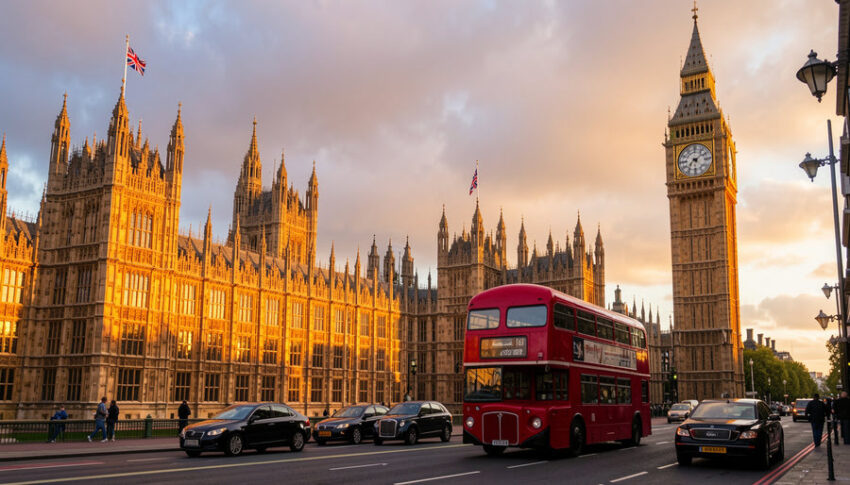
Image generated with Ai
The UK government is considering a “visitor levy” on overnight accommodation, aiming to generate significant revenue for reinvestment in local infrastructure, public services, and tourism projects. While the proposal could help improve public transportation and preserve cultural heritage, it may also lead to higher accommodation costs, particularly affecting families and budget-conscious travelers. Local businesses in high-traffic areas are concerned that the tax could deter tourists and create additional financial strain. Despite its potential benefits, the success of the levy will hinge on balancing the needs of local economies, residents, and the tourism sector.
Under the proposal outlined in a government consultation that closed in February, mayors would be given the authority to implement a tax on hotels, hostels, and short-term rentals such as Airbnb in their respective regions. This would allow for significant regional variation in the amount of the tax, as local leaders would have the power to determine whether or not the charge should be levied and how much it should be. In some areas, the tax could be entirely absent, while in others it could significantly impact accommodation costs.
The government argues that the visitor levy could provide a valuable revenue stream for cities to reinvest in local infrastructure, including public transport systems and services that benefit both residents and visitors. Tourism is an important contributor to the UK economy, accounting for approximately 5% of its total output, with millions of visitors traveling to cities such as London, Manchester, and Edinburgh each year. Supporters of the levy contend that it would help cities better manage the pressures of hosting large numbers of tourists while ensuring that tourism revenue is reinvested into the communities that generate it.
However, the proposal has raised concerns among hospitality groups and tourism operators, who argue that the tax could make holidays in the UK more expensive, particularly for families and budget-conscious travelers. They also warn that it may discourage potential visitors from booking accommodations in England. Critics highlight that the UK already has one of the highest taxes on hospitality in Europe, with a 20% value-added tax (VAT) compared to much lower rates in countries like France, Spain, and Italy, where VAT on hospitality services is closer to 10%.
Advertisement
Advertisement
The idea of a visitor tax is not new. Across Europe and in many other parts of the world, similar taxes are commonly levied on travelers to fund local infrastructure, cultural projects, and tourism-related services. Typically, these taxes are charged either per person or per room for each night of a stay. They help offset the costs associated with maintaining tourist attractions, preserving local heritage, and enhancing public transportation systems that both locals and visitors rely on. In many cities, the funds are also directed toward environmental sustainability efforts, especially in regions where overtourism has placed a strain on natural resources and local ecosystems.
At present, local authorities in England do not have the legal authority to introduce such a tax. The consultation proposes granting directly elected metro mayors and regional leaders the power to introduce the levy, which would be implemented in selected areas. However, any move to introduce this tax would require legislation to be passed by Parliament, meaning that if the proposal proceeds, it may not take effect until 2027 at the earliest.
Advertisement
Advertisement
One of the major concerns raised by industry stakeholders is the administrative burden the levy would impose on hospitality businesses. Hotel managers warn that even if the financial impact is relatively small, the process of tracking and processing the tax on every booking could create significant operational challenges. Businesses would have to keep detailed records of each guest’s accommodation and ensure that the correct tax is applied. Some hotel owners also fear that third-party booking platforms, such as Booking.com or Expedia, could take commissions on the tax itself, further increasing costs for hoteliers and, potentially, guests.
In addition to the potential increase in accommodation costs, the introduction of a visitor levy could influence the overall travel experience for tourists. Higher taxes might lead visitors to shorten their stays, reduce spending on local attractions, or opt for vacations abroad rather than in the UK. A family of four booking a four-night stay in London, for example, might face an additional $70 on top of their accommodation costs due to a 5% tax. This could impact hotels in key tourist destinations, particularly those with high nightly rates.
Despite these concerns, experts argue that a well-designed visitor tax could bring long-term benefits to local communities. If the funds raised from the levy are reinvested into city infrastructure, public transport, and local services, the tax could help alleviate the strain that large numbers of tourists place on these resources. Tourism researchers have pointed to international examples where visitor levies have been used successfully to fund community projects and address issues such as overcrowding, environmental conservation, and housing shortages. For instance, in Teton County, Wyoming, revenue from a tourism tax has been used to support public transport systems that benefit both locals and visitors.
Some regions in the UK have already experimented with local tourist taxes. Edinburgh, for example, will introduce a 5% levy on accommodation starting in July 2024, and Glasgow plans to introduce a similar tax by 2027. Local officials estimate that the levy could raise around $21 million annually in Glasgow. Manchester has also tested a voluntary city visitor charge, which raised $3.7 million in its first year. The money from this initiative has been used to fund marketing campaigns designed to attract visitors during off-peak seasons.
Globally, tourist taxes are commonplace. Cities in the U.S., such as New York, Los Angeles, and Houston, impose hotel taxes that range from 15% to 17%, while European cities like Amsterdam and Paris charge flat nightly fees, often reaching up to 15 euros per night for luxury hotels. These taxes are seen as a way to redistribute the economic benefits of tourism to improve the cities where tourists flock.
The UK government’s move to introduce a tourist tax on accommodation aims to generate revenue for local infrastructure and services, potentially increasing costs for travelers while benefiting local communities through improved public transport and urban development. However, concerns over higher costs and potential impacts on tourism and local businesses remain.
While the British government’s proposal to introduce a visitor levy is still in its early stages, the growing debate over its potential impact underscores the need to balance the benefits of tourism with the challenges it poses to local communities and infrastructure. Whether or not England follows the lead of other global cities in adopting such a tax will depend on the outcome of ongoing consultations and legislative processes, but it is clear that the discussion is only just beginning.