Need a break from doomscrolling? How about a quick breathing exercise, or some soothing ocean sounds? Maybe try jotting down a positive affirmation.
Now you can do all those things on TikTok. But while the social media giant is pitching its new wellness features as a win for teens’ mental health, critics fear it’s another push toward tech companies monopolizing our downtime to collect ever more data.
TikTok added the features to its “Time and Well-being space” last month, which it says was developed with teen users in mind. Users can earn badges by completing “wellness missions,” including staying off TikTok at night, limiting their screen time and inviting others to try the missions. TikTok says its early testing found close to 40 per cent of people who came across the missions chose to explore them.
The changes come as TikTok faces lawsuits from more than a dozen U.S. states over its alleged harm on teens’ mental health. Other tech giants, like Meta, Snapchat and YouTube are grappling with similar criticisms.
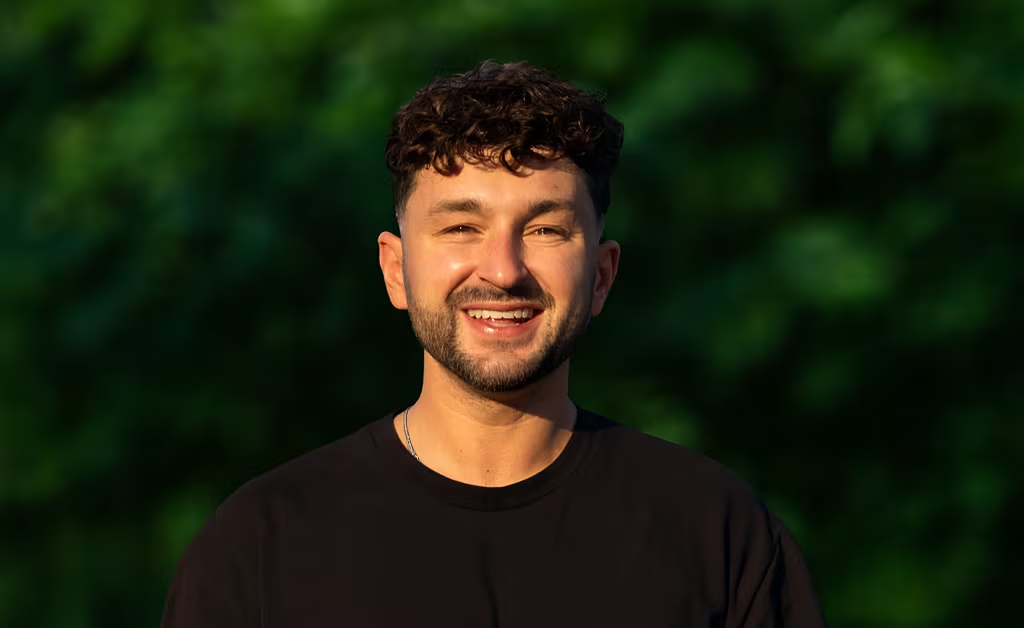
“The algorithm is so powerful,” says Windsor, Ont.-based influencer and mental health advocate Zachery Dereniowski, who has more than 25 million followers on TikTok as MDMotivator.
“If you’re on the app and you can do something positive or something that’s a form of self care, that could be super helpful, especially for the younger audience.”
TikTok says the wellness hub was informed by feedback from teens who said they wanted tools to help limit their social media use, and by consultations with industry experts and TikTok’s Global Youth Council, which includes “more than 25 teens, including from Canada.”

Online tools ‘normalized’
Riley McNair, a University of Toronto PhD student who researches children’s privacy and the impact of data technologies on their rights, says it’s getting harder for people to find downtime that isn’t tracked and monetized by tech companies.
From TikTok and Meta’s well-being initiatives, to apps encouraging mindfulness and tracking people’s fitness and fertility cycles, McNair says it’s become “normalized” to use online tools to build healthy habits.
“I feel like people turn to these technologies because it almost feels like that’s the only option, or it’s the easiest thing for them to do,” she said.
McNair says TikTok’s features might benefit some teens, but because they’re optional — they must be accessed through the user’s settings — they will likely only help those who already know they need to control their usage.
She says her initial impression is that the wellness hub is “just another data collection mechanism.”

“Everything will be collected. So the more time you spend on the platform, it provides the company more opportunity to gain insights and tailor their product to those users specifically,” she said.
Because apps like TikTok generate money by keeping people scrolling and consuming as much as possible, McNair says there is little incentive for them to genuinely advocate for users to log off.
Numerous lawsuits
Toronto-based technology and cybersecurity analyst Ritesh Kotak says TikTok has been more proactive than other social media apps in addressing criticisms around youth mental health, but says that might, in part, be a bid to fend off potentially restrictive legislation and legal action.
He says TikTok is trying to “essentially monopolize” people’s downtime by incorporating meditation and breathing breaks within the app, and says this relates to a broader trend of “huge consumer demand” for personal wellness apps with personalized features and content.
“The reality is, we’re all living on these devices now. We’re in a mobile-first world. If it’s not available on a mobile app, [people] don’t want it,” he said.
“There’s a price to pay for that convenience.”
TikTok is being sued by more than a dozen attorneys general across the U.S. who allege the platform has an addictive algorithm that harms children.

Kentucky officials alleged in a lawsuit that TikTok’s own research shows compulsive usage correlates with negative mental health effects in young users, including increased anxiety and body image issues.
Likewise, a group of U.S. school districts is suing TikTok, Meta, Snapchat and YouTube, saying they all continue to target teens despite being aware of how addictive their platforms can be.
TikTok has previously introduced screen time alerts and limits, and rolled out a feature in May that interrupts scrolling with a guided meditation after 10 p.m. for users aged 13-16. TikTok says 98 per cent of teens who used the meditation feature chose to keep it switched on.
The company has said the claims in the lawsuits are misleading.
“While we can’t comment on litigation, we can tell you that we have invested billions of dollars in Trust & Safety, and rolled out 50+ preset safety, privacy, and security settings for teens, including private accounts, content restrictions, and screen time tools,” a spokesperson told CBC News in an email.

A study out of the University of B.C.’s Okanagan campus analyzed over 250 TikTok videos, and found that nicotine pouches were being portrayed in resoundingly positive ways for youth. Laura Struik, who is with UBCO’s nursing school, says the portrayal can be problematic given how exposure to nicotine at a young age can interfere with body development.
The spokesperson said TikTok collaborates with organizations focused on mental health, digital literacy, and youth safety and invests in research to inform its initiatives.
McNair says young social media users want more control over their privacy online, and these well-being efforts fail to address that key issue. Both McNair and Kotak say legislation is needed.
The Privacy Commissioner of Canada launched a consultation in May looking at developing a children’s privacy code, and the federal government has been doing consultations to rewrite or reintroduce the Online Harms Act of 2024.
As a content creator, Dereniowsky says it’s important to build healthy habits away from the apps.
“I think we’ve all doomscrolled too many times,” he said. “No one feels good after doomscrolling.”
His wellness “non-negotiables” are daily exercise, drinking a litre of water in the morning, and getting at least seven hours of sleep.
Dereniowsky says he gets away from the phone by doing things that allow him to be present — like cooking, calling his parents and playing basketball. He also says being in nature helps calm his anxiety, clear his mental fog and recharge.
“I know how hard people can be with comparing themselves to others with social media, or wasting time,” he said.
“There’s no right answer for anybody, but try as many things as many things as you can, to see what works for you.”