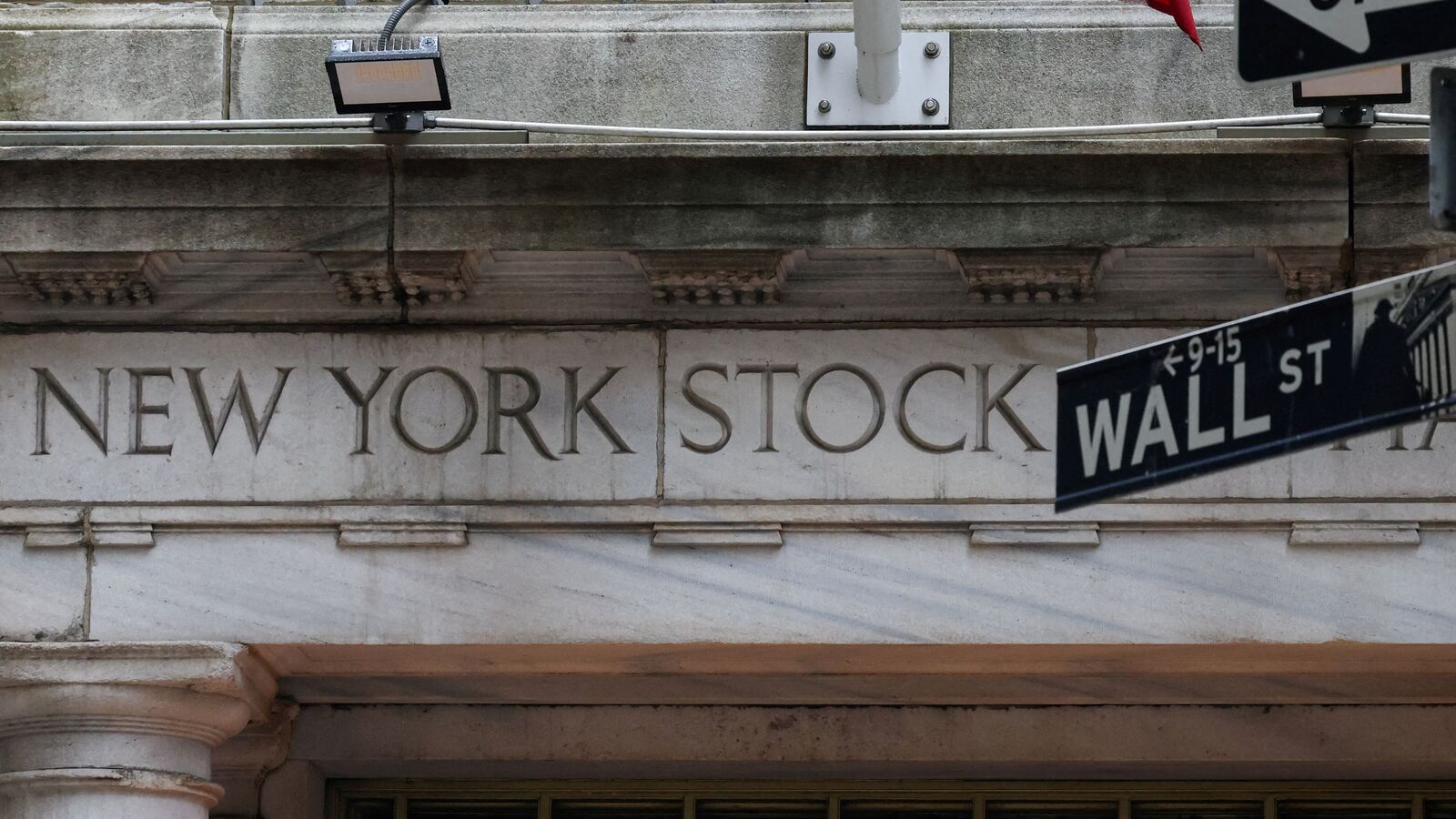
Stocks hit fresh records on Monday, marking a significant pickup in momentum after a bumpy stretch in which tariff fears and worries about loan losses at regional banks weighed on major indexes.
The optimism isn’t limited to U.S. markets. Benchmarks in Japan, South Korea and Taiwan notched new records Monday, while the Shanghai composite closed at its highest level in more than 10 years. Argentine stocks rocketed 22% higher, powered by a decisive political win for President Javier Milei in the country’s midterm elections.
“There’s just a lot of stuff in the ‘good’ column and not a lot in the ‘bad’ column,” said Jed Ellerbroek, portfolio manager at Argent Capital Management.
All three major stock indexes hit new all-time highs on Monday, with tech companies leading the charge. The Dow Jones Industrial Average gained around 337 points, or 0.7%. The S&P 500 added 1.2%. The Nasdaq composite rose 1.9%, notching back-to-back gains greater than 1% for the first time since May.
Stocks were lifted by hopes for improving trade relations between the U.S. and China. Treasury Secretary Scott Bessent said there was a “very successful framework” for President Trump and Xi Jinping to discuss Thursday, while a senior Chinese official said the two sides had reached a preliminary consensus on key issues.
The good mood marks a reversal from just a few weeks ago, when a social-media post from Trump threatening higher tariffs against China sent stocks tumbling. The S&P 500 and the Nasdaq composite both had their worst day since April. The abrupt bankruptcies of auto-parts manufacturer First Brands and the subprime auto lender Tricolor, along with a $50 million loan charge-off by Zions Bancorp, raised worries that a humming credit market has concealed pockets of weakness.
But worries eased and stock indexes recovered—with investors appearing more than happy to take the latest yo-yoing update on trade in stride, analysts said.
“Investors have had no choice but to get comfortable with President Trump’s negotiating style and his preference for doing trade deals publicly,” Ellerbroek said. “You just have to accept that if you’re going to own large-cap tech stocks, you’re subject to daily surprises.”
Traders have also been reassured by a strong start to earnings season. Though crucial economic data releases—like the October jobs report—have been delayed due to the government shutdown, better-than-expected profits at major companies have assuaged concerns about the health of the U.S. economy.
A flurry of corporate dealmaking has also juiced optimism. Sunday and Monday brought a cluster of larger deal announcements, stoking investor glee over an easier environment for big company tie-ups.
Regional bank Huntington Bancshares said it would acquire southern counterpart Cadence for $7.4 billion in stock, the latest example of consolidation among lenders. Meanwhile, large water utilities American Water and Essential Utilities agreed to merge in an all-stock deal, valuing the smaller Essential at some $12 billion, excluding debt, and on Sunday Novartis announced a $12 billion acquisition of biotech Avidity Biosciences.
“The regulatory environment is constructive, not just for the banking industry,” Huntington Chief Executive Steve Steinour said in an interview. The policies of this administration “are very pro U.S. growth.”
The total value of U.S. transactions is up about 36% so far this year from the previous period, to about $1.6 trillion, according to LSEG, boosted by a surge in transactions valued at over $5 billion.
The week ahead will bring more crucial updates for investors. More than one-third of the companies in the S&P 500 are set to report quarterly earnings in the coming days, including big names like Apple, Meta and Alphabet. On Wednesday afternoon, the Federal Reserve will announce its latest move on interest rates. Investors are widely expecting another cut.
Shares of American companies are piling on gains in what has already been a very good year on Wall Street, lifted by a resilient economic backdrop. The S&P 500 is up 17% year to date, after rebounding sharply from the turmoil following the Trump administration’s tariff announcement in April.
Some worry the enthusiasm is running a little too hot. Skeptics point to signs of froth that may suggest the rally is unsustainable: Traders are snapping up shares of leveraged stock funds and struggling companies at the same time they have piled into gold. Billions have been poured into funding a build-out of AI infrastructure, but it remains unclear how and when the return on that enormous investment will materialize.
“People are sort of whistling past the graveyard of some real risks out there for the economy,” said Dean Smith, chief strategist at FolioBeyond. “That is troubling.”
Write to Hannah Erin Lang at hannaherin.lang@wsj.com and Ben Glickman at ben.glickman@wsj.com

