Published on
August 28, 2025
By: Tuhin Sarkar
Santorini joins San Francisco, New Orleans, Hong Kong, Phuket, and Bangkok in a shocking tourism slump, and here’s why tourists are staying away. Once-crowded streets, bustling harbours, and vibrant hotels in these famous destinations now tell a very different story. Tourism is slowing, and the reasons are both complex and urgent. Santorini is weighed down by a new cruise tax and years of overtourism. San Francisco feels the impact of falling international visitors.
New Orleans suffers from the lowest hotel occupancy among U.S. cities. Hong Kong sees arrivals grow but spending fall. Phuket and Bangkok struggle as Chinese arrivals plunge and hotel revenues drop. Trade wars, inflation, and unstable economies add to the pressure. Together, they paint a picture of a global industry at a turning point. These cities must adapt or risk losing their shine. Santorini, San Francisco, New Orleans, Hong Kong, Phuket, and Bangkok are learning this lesson fast.
Santorini Suffers Tourism Decline in 2025
Santorini, one of the world’s most famous destinations, is facing a sharp downturn. In the second quarter of 2025, revenues from accommodation and food services fell by more than 20 percent compared with the same period in 2024. The Hellenic Statistical Authority reported a 22.1 percent fall in hotels and a 21 percent drop in restaurants. These figures mark the steepest decline among all Greek islands. For a place that has built its identity around sunsets and luxury stays, this downturn has shaken the local economy. The fall exposes how dependent Santorini has become on mass arrivals.
Corfu and Zakynthos Power Ahead
While Santorini faltered, other islands surged ahead. Corfu led the nation with a 10.7 percent increase in tourism revenues. Its strong performance was matched by Zakynthos, which recorded a 7.3 percent rise in food service sales. Chania in Crete also showed resilience, with a smaller but still positive increase of 2.7 percent. These numbers highlight the uneven picture of Greek tourism in 2025. Some islands are thriving, while others are struggling. For Corfu and Zakynthos, the gains underline their ability to attract visitors with diverse offerings, from beaches to family-friendly resorts.
National Tourism Economy Remains Resilient
Despite Santorini’s crisis, the national picture is more stable. Greece’s accommodation sector overall grew 2.6 percent in Q2 2025, generating €2.97 billion in revenues. The food service sector fell 2.6 percent, reaching €2.72 billion, but losses were offset by strong performances on several islands. These mixed results suggest that Greece’s tourism economy is not collapsing but shifting. Travellers are exploring new destinations beyond the usual hotspots. While Santorini struggles with saturation, other islands are benefiting from spreading demand
Tourism in 2025 is no longer about growth alone. Around the world, several famous cities are seeing sharp downturns in visitors, hotel stays, and spending. The latest data from August 2025 reveals how fragile city tourism can be when faced with overtourism, new taxes, security crises, and shifting traveller choices. While some regions continue to thrive, iconic cities such as Santorini, Bangkok, San Francisco, New Orleans, Jerusalem, and Hong Kong are facing major falls. This report explains what is happening, why it matters, and what it could mean for the future of global travel.
Santorini Faces Deep Tourism Plunge
Santorini in Greece, long a dream destination for travellers, is suffering its worst tourism crisis in years. According to the Hellenic Statistical Authority, accommodation revenues fell by more than 22 percent in the second quarter of 2025 compared with the same period in 2024. Restaurants and food service businesses fared just as badly, with a 21 percent decline.
This is striking because other Greek islands such as Corfu and Zakynthos are thriving. Corfu saw growth of more than 10 percent and Zakynthos recorded a 7 percent rise in dining revenues. Nationally, Greece’s tourism sector remained steady. Santorini alone collapsed, showing how vulnerable a destination can be when it becomes over-dependent on luxury stays and cruise arrivals.
A new cruise passenger tax has added more pressure. From July 2025, each visitor arriving by ship in Santorini must pay €20 in the peak summer season. Policymakers argue that the levy will protect the fragile island, but businesses fear it may further reduce visitor numbers. Santorini is now at a crossroads, forced to rethink its reliance on mass tourism.
Jerusalem and Tel Aviv See Arrivals Collapse
Israel’s main gateways, Jerusalem and Tel Aviv, remain badly affected by the ongoing conflict. In July 2025, official statistics showed a fall of more than 21 percent in tourist arrivals compared with the same month in 2024. June was even worse, with numbers down by over 40 percent year on year.
The drop has led to hotel cancellations, tour suspensions, and empty streets in areas that normally attract millions of visitors each summer. Tourism is vital for Jerusalem’s heritage economy and Tel Aviv’s hospitality sector, yet the instability has driven travellers to safer destinations. Hotels are now forced to target domestic guests or business use rather than leisure tourists.
The fall is not only an economic crisis but also a cultural loss. Sites that connect millions of travellers with history and religion are standing quiet. The outlook for recovery depends on stability in the region, which may take time to return.
Bangkok and Phuket Struggle with Falling Demand
Thailand is also showing signs of weakness in 2025. Bangkok, the country’s capital and its most visited city, has recorded falling hotel occupancy. Rates dropped from 76 percent in the first quarter to just over 72 percent in the second. Revenue per room declined by more than 10 percent in the same period.
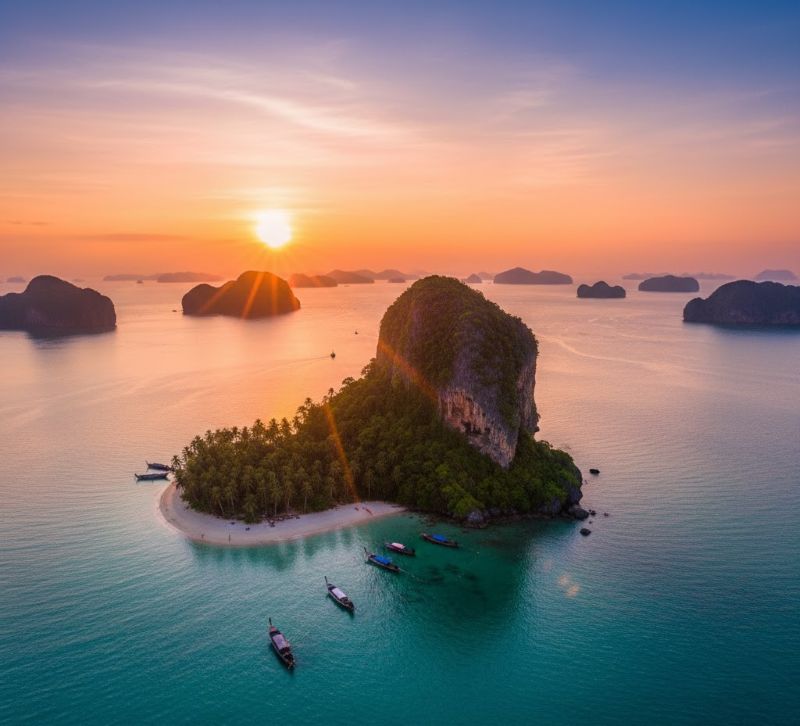
The fall comes as Thailand’s foreign arrivals for the year to August were down more than 7 percent compared with 2024. Travellers from China, once the biggest source market, have not returned at the expected pace. This has particularly hurt Phuket, where reports suggest Chinese arrivals dropped by almost half during the low season.
These figures highlight how sensitive Thailand’s tourism is to external markets. While domestic travel and regional visitors remain stable, the absence of large Chinese tour groups is leaving a gap that is hard to fill. Bangkok’s nightlife, shopping malls, and temples remain popular, but spending power is weakening.
San Francisco Feels the International Visitor Gap
In the United States, San Francisco is facing a different challenge. Domestic tourism is holding up, but international visitors are falling. The city’s tourism board projects a 3.2 percent drop in overseas visitors for 2025, with spending by these travellers down by 2.7 percent.
This matters because international visitors stay longer and spend more. San Francisco’s global image as a cultural, business, and tech hub relies heavily on overseas arrivals. Merchants across Fisherman’s Wharf and Union Square have already reported lower footfall during major holidays such as the Fourth of July.
The fall is linked to global economic headwinds, currency fluctuations, and a slower return of Asian markets. It also reflects shifting choices by international travellers, who may prefer cheaper U.S. cities or destinations in Europe and Asia. For San Francisco, the challenge is to rebuild confidence and attract high-spending visitors back.
New Orleans Marks Lowest Occupancy Among U.S. Cities
New Orleans, one of America’s most unique cultural capitals, is also experiencing a tourism slump. In June 2025, hotel occupancy in the city stood at just 53.8 percent. This was the lowest among the top 25 hotel markets in the United States.
The decline is alarming because New Orleans depends heavily on its festival calendar, food scene, and nightlife. Weak hotel occupancy suggests that visitors are not filling rooms even during key summer events. Some analysts point to rising costs, safety concerns, and competition from other southern cities as possible causes.
If the trend continues, the local economy, which depends on tourism for thousands of jobs, could face deeper strain. For now, hotels and restaurants are working to create stronger domestic offers to balance out the weaker flow of international and long-haul travellers.
Hong Kong Tourism Hit by Spending Slump
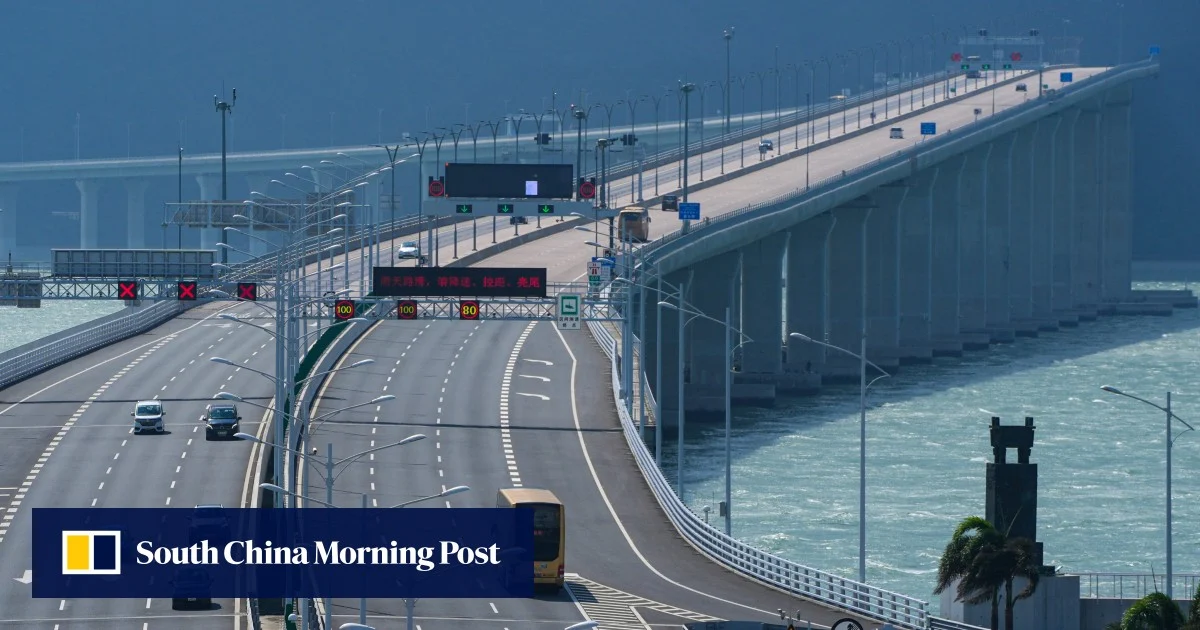
Hong Kong presents a different picture. Visitor numbers are rising after years of restrictions, but spending is falling. Retail sales, which act as a proxy for tourism expenditure, fell by 3.3 percent in the first half of 2025 compared with the same period in 2024.
This suggests that visitors are either spending less or choosing cheaper options. Analysts note that cross-border travel from Hong Kong residents into mainland China has also reduced domestic retail demand. Shops and luxury brands that once relied on mainland tourists are feeling the impact.
The fall in spend shows that counting arrivals alone does not reflect the health of a tourism economy. Hong Kong’s challenge is to maintain its status as a shopping and business hub while diversifying beyond retail-driven tourism.
Why Famous Cities Are Losing Tourists
These city-level declines are not random. They reflect wider themes shaping global tourism. In some cases, conflict and political instability, as seen in Jerusalem and Tel Aviv, drive tourists away. In others, overtourism policies and taxes, as in Santorini, change visitor flows.
Economic shifts also play a role. San Francisco shows how global downturns affect high-value international markets. Bangkok and Phuket reveal the risks of over-reliance on a single country, such as China. Hong Kong demonstrates that arrivals alone are not enough if visitor spending power declines. New Orleans highlights how competition and weak perception can hurt even iconic destinations.
The Bigger Picture for Global Travel
Despite these declines, global tourism overall remains strong in 2025. Many destinations such as Spain, Paris, and Tokyo are setting records. Yet the struggles of cities like Santorini, Bangkok, San Francisco, and Jerusalem show how uneven the recovery is.
Tourists today are more selective. They want value, safety, and authenticity. They also respond quickly to new taxes, political risks, or overcrowding. Cities that fail to adapt risk sharp falls, while those that diversify offerings can thrive.
For governments and businesses, the lesson is clear. Tourism cannot be left to chance. It needs careful planning, investment in infrastructure, and policies that balance growth with sustainability.
Conclusion: A Turning Point for Global Tourism
As of August 2025, famous cities around the world are facing tourism plunges that highlight the fragility of the industry. Santorini’s steep fall, Jerusalem’s empty streets, Bangkok’s lower occupancy, San Francisco’s missing overseas visitors, New Orleans’ weak hotels, and Hong Kong’s spending slump all tell the same story.
Tourism is powerful but volatile. Cities that rely too heavily on one market, one season, or one type of traveller face the greatest risks. The future of global travel will belong to destinations that adapt, diversify, and protect what makes them unique. For travellers, these shifts mean new opportunities and challenges as the world’s tourism map continues to change.
New Cruise Passenger Tax Reshapes Tourism
From July 1, 2025, Greece introduced a new cruise passenger tax. The levy varies by season and port. In Santorini and Mykonos, during peak summer months, visitors pay €20 each. At other Greek ports, the charges range from €1 in the low season to €5 in summer. Revenues will fund infrastructure upgrades, environmental protection, and cultural preservation. Authorities argue the tax is needed to manage overtourism and protect fragile islands. Yet local businesses fear the added costs may further reduce arrivals. For Santorini, already facing a 22 percent fall in hotel income, the policy adds more uncertainty.
Balancing Tourism and Sustainability
Santorini’s steep fall highlights the urgent challenge of balancing growth with sustainability. The island has long been a global symbol of Greek tourism, with whitewashed houses, caldera views, and luxury resorts. But overtourism has strained its resources. The new tax is meant to limit uncontrolled arrivals, particularly from cruise ships. Policymakers believe that fewer but higher-spending visitors will secure Santorini’s long-term appeal. For travellers, the changes may lead to a different experience, with less crowding but higher prices. The coming seasons will show if the strategy can stabilise the island’s fragile economy.
What This Means for Greek Tourism
The mixed results of 2025 point to a new phase in Greek tourism. Travellers are diversifying, choosing islands such as Corfu and Zakynthos over traditional hotspots. Revenue shifts suggest a redistribution of demand that could ease pressure on overburdened destinations. At the same time, taxes and policies aimed at sustainability are reshaping visitor behaviour. For Santorini, the road ahead depends on how well it can adapt. The island must find ways to protect its beauty while securing stable revenues. For Greece as a whole, the challenge is to maintain growth without sacrificing its cultural and natural treasures.
A Crossroads for Santorini and Greece
Santorini’s 22 percent tourism crash in 2025 is a warning for Greece. Reliance on mass tourism has exposed its weaknesses, while other islands show resilience through diversity. The new cruise tax may reshape visitor flows, but its full impact will take time to measure. For now, Santorini must balance immediate economic pain with long-term sustainability. Greece remains strong as a destination, but its future depends on spreading tourism more evenly across regions. Travellers will continue to come, but their choices may define the new map of Greek tourism.