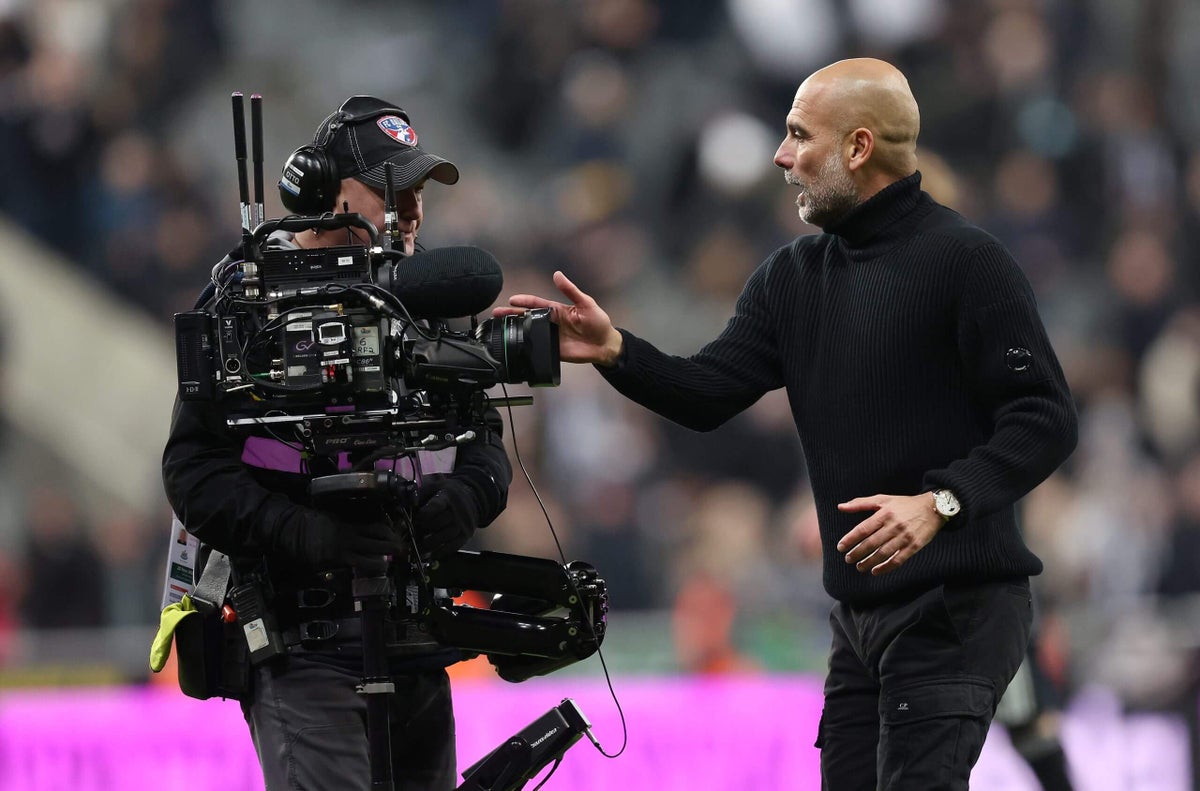
Following the latest sale of UEFA Champions League rights, Jenny Priestley warns streamers need to bring in new innovation and fight the problem of latency to avoid scoring an own goal
It’s the classic ‘smash and grab’, in a move that has surprised almost everyone, Paramount has won the rights to the majority of UEFA Champions League matches from 2027-2031.
The company has acquired the rights in both the UK and Germany, snatching the matches from TNT Sports (previously BT Sport), which has held the UK rights since 2015. It’s thought Paramount has spent more than the £1 billion paid by TNT Sports in the last rights auction.
Amazon Prime confirmed it had retained the first pick of Tuesday matches in the UK, as well as the top-pick Wednesday match in Germany and Italy. Sky Sports UK secured the rights to broadcast every match from the UEFA Europa League and UEFA Conference League from the 2027/28 season.
The new deals mean that, for the first time, Champions League matches will now only be available to watch live in the UK via streaming services (although this could change if Paramount is successful in its bid to acquire Warner Bros Discovery).
So what does that mean for fans?
I appreciate that not all teams will qualify for the Champions League, but for those that do, their fans will now have to pay for another streaming service in order to watch every game.
Earlier this week, The Athletic reported it costs the average UK football fan £96.53 per month to watch the Premier League, an additional £39.98 for the UEFA Champions League, and £30.99 for the Europa/Conference League.
With Paramount’s new deal, the cost of watching the UEFA Champions League will change for most viewers. Currently, the cost of a standard (ad free) subscription to Paramount+ is £7.99 per month or £70.99 per year.
But what are fans actually getting for their money, and could the competition’s move to a streaming-only landscape provide the opportunity for new innovations to give them more value for money?
The traditional lean-back experience of just turning on the TV and watching a game is slowly changing. TNT Sports offers fans a timeline experience where they can go back and watch major incidents in a game, such as a goal or a yellow card. Sky Sports has introduced Multiview for its Sunday afternoon Premier League games, and Prime Video lets viewers choose to listen to either match commentary or stadium noise.
Is that enough? For years, I’ve been told personalisation in sport is “the next big thing”. I think that’s a great idea. I spent years trying to persuade broadcasters to introduce a ‘Klopp cam’ so I could watch the former Liverpool manager as a picture-in-picture extension. Unfortunately, that never happened.
I remember back in the ’90s Sky Sports Fanzone would let viewers choose to listen to commentary by fans of their team. Why not bring that back?
The other big issue facing streaming companies is latency. I only watch football via my Smart TV, which means the stream can often be up to a minute behind the over-the-air broadcast. With the advent of goal alerts by text message, and social media often being ahead of what’s on the TV screen, fans won’t pay for a service that is lagging behind.
Whatever this new dawn of football rights means, I hope that broadcasters and streamers remember that it’s the fans who will be paying for them to secure the rights. The least they can do is give them more bang for their buck. Otherwise, they’re at risk of scoring an own goal.