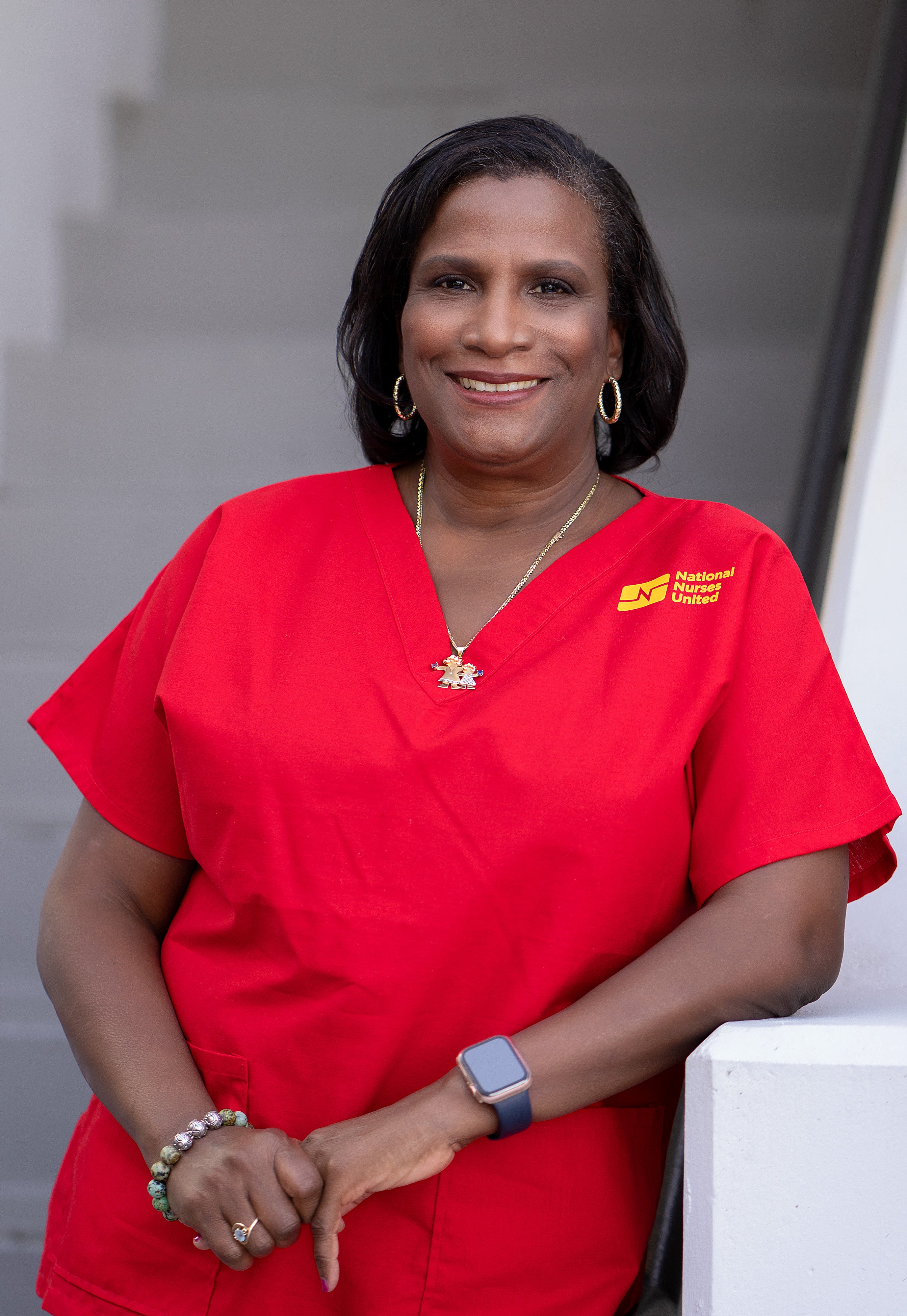
During her 30-plus years working as a registered ICU nurse in a bustling New York City hospital, Nancy Hagans has seen it all.
“I could take care of somebody with a gunshot wound,” Hagans, who works in a Category 1 trauma center in Brooklyn, told The Independent. “I could take care of someone who had a hemorrhagic bleed in the brain. It could be someone who had an aortic rupture. It’s a very high-level skill. It’s a challenge.”
So when the U.S. Department of Education quietly proposed capping federal loans for graduate nursing students, leaving nursing off the list of professional degrees deemed eligible to apply for the highest debt limits, Hagans was furious.
“It’s an insult to nurses,” said Hagans. “Nurses are the backbone…nurse practitioners, nurse anesthetists, and midwives are a lifeline.
“Those are the people who keep you alive.”
Under cuts to student loans laid out in President Donald Trump’s “One Big Beautiful Bill,” those pursuing graduate degrees in nursing are limited to borrowing a maximum of $100,000 overall and up to $20,500 per year. Critics argue that it no longer covers the full cost of some advanced programs in the field.
In addition, almost half of graduate students go to school on part-time status, as many hold down jobs alongside their studies, which in turn limits the amount of federal loans they can receive.
Initially, the outrage was around the notion that the Department of Education no longer viewed nursing as a “professional degree.” In response, the DOE cried “fake news” and said the designation was “not a value judgement.”
But critics say semantics do matter, and excluding nursing from the list of professional degrees will make it much harder for students pursuing advanced degrees to pay for their studies.
And there has been bipartisan backlash to the proposal. Republican Rep. Jen Kiggans of Virginia, a nurse practitioner, was one of the 140 lawmakers to sign a letter urging Education Secretary Linda McMahon to reconsider.
“As one of only two nurse practitioners in Congress and as someone who has led on nursing issues throughout my entire political career, I find it personally and professionally difficult to understand why the Department of Education is excluding nurses from being able to obtain the student loan funds they need to get an advanced nursing degree,” Kiggans said.
In response, the DOE claims its data “indicates that 95 percent of nursing students borrow below the annual loan limit and therefore are not affected by the new caps.”
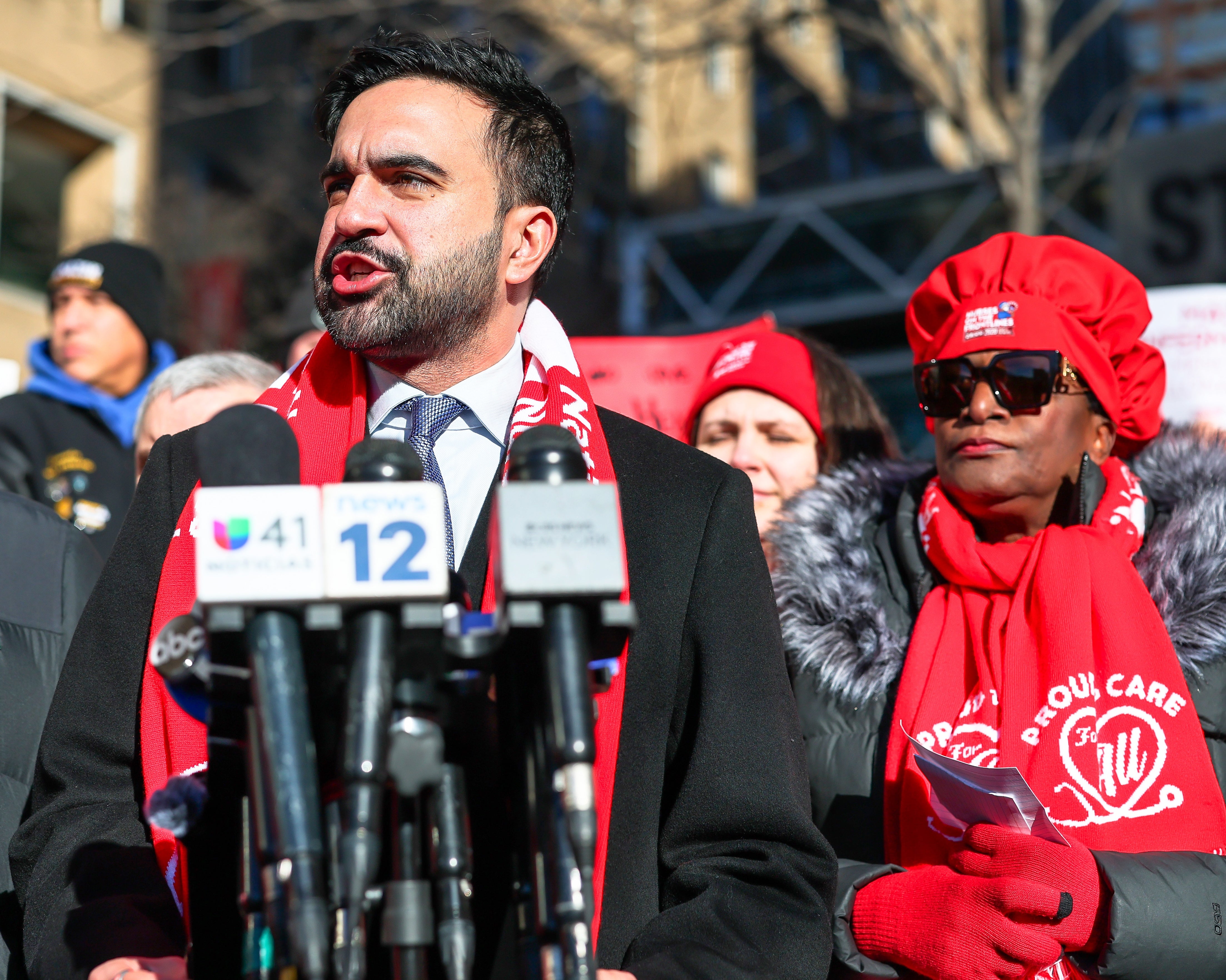
Hagans, president of the New York State Nurses Association, an affiliate of National Nurses United, was on the picket line this week, standing beside New York City Mayor Zohran Mamdani, and rallying with colleagues to demand safer working conditions and fair wages.
The work can be dangerous and nursing unions want management to take action on workplace violence, among other demands. Last week, the NYPD was called to NewYork-Presbyterian Brooklyn Methodist Hospital after a man wielding a bloodied sharp object barricaded himself in a room with two others.
“It has been a rampage,” Hagans said.
She emigrated to the United States from Haiti in the ‘80s and became a nurse after she was inspired by the care her father received for a brain tumor.
“I decided that I was gonna go to nursing school and work in my communities to help the immigrants,” she said. “My dad [was diagnosed] with a brain tumor and I ended up taking care of him… I really saw what the nurses did for him.”
Hagans said she worries how the DOE’s proposals could impact the next generation of nurse educators, particularly midwifery, which typically requires a Master of Science in Nursing or a Doctor of Nursing Practice degree.
She cited sobering figures that found Black women in New York City are about five times more likely to die in pregnancy than their white counterparts.
“We are very concerned, especially in New York,” she said. “We need the clinics [to teach] about maternal care, about nutrition, and who’s going to do that?”
“That big ugly bill,” Hagans continued, belittling Trump’s signature legislation, “is also cutting the resources from communities. Now they are removing the providers from those communities.
“I would not have been able to go to nursing school if my professors did not have a master’s degree,” she added. “I would not be here right now.”
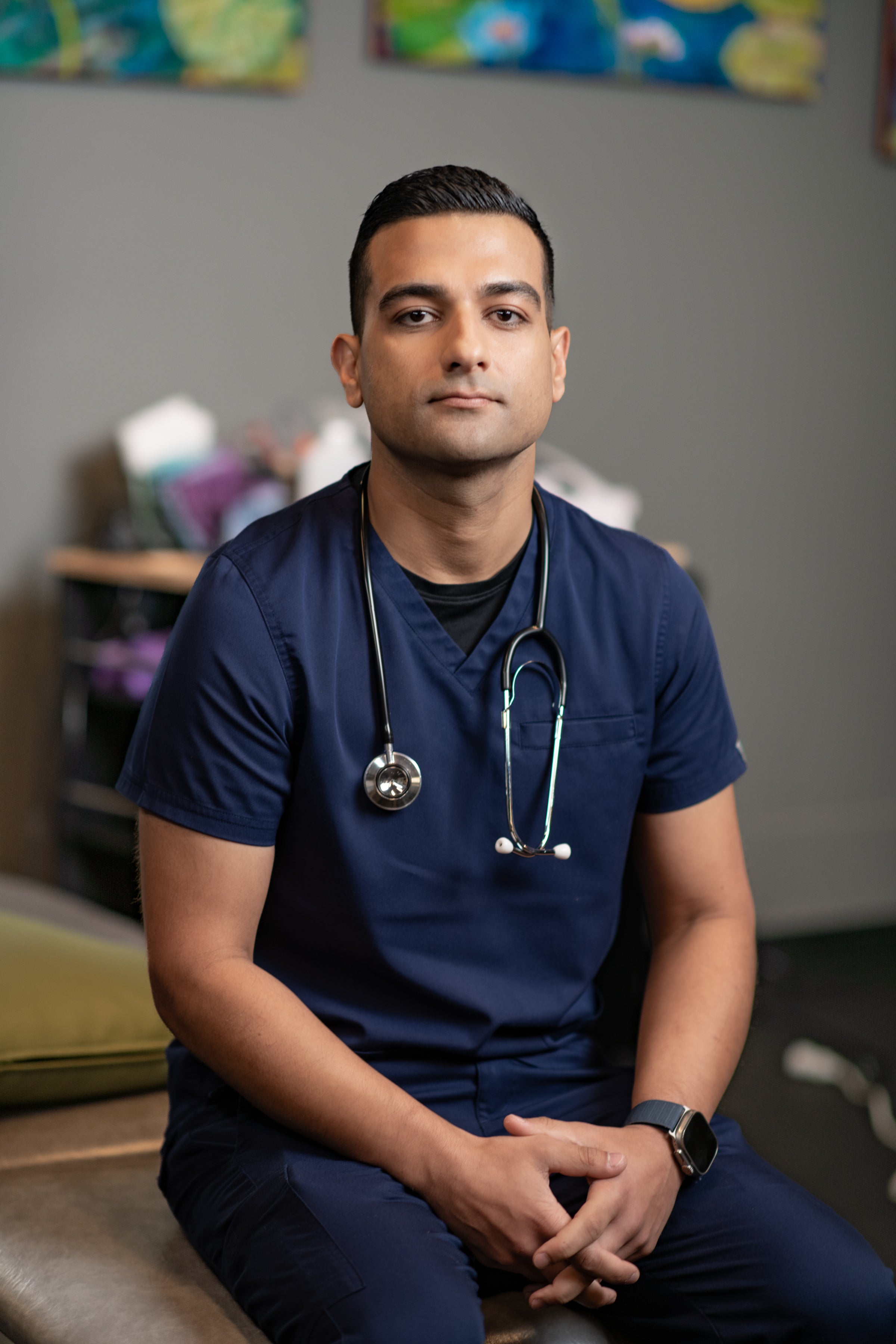
Justin Gill, an urgent-care nurse practitioner in Everett, Washington, said the proposed loan cap of $20,500 per year for graduate nursing students would have been insufficient when he was studying more than a decade ago, let alone today.
“That would not have been enough to cover my expenses going to school as well as my living expenses,” Gill told The Independent. “My parents did not have the ability to pay for my schooling.”
Gill, who described his parents as working-class first-generation Asian-Indian immigrants, said that when he was studying to become a nurse practitioner in 2013 – 2015, his loan did fall under the proposed $100,000 overall limit, but he was “well above” the $20,500 annual cap.
“If I had to find that additional, say, $10,000 or $15,000 to be able to live and eat…it wouldn’t have been a doable process for me,” he said.
“Folks may not be able to work full time and may not necessarily have the savings, but they are training to be professionals who actually very much contribute to the delivery of healthcare in the United States,” Gill added.
Gill, who is also president of the Washington State Nurses Association, said he sees anywhere from 30 to 40 patients a day during a 12-hour shift. Hagans said she and her team also work 12-hour shifts that often run longer. “Sometimes you’re about to go home and something happens to a patient. You can’t just walk away.”
Both Gill and Hagans pointed to the outpouring of support the nursing profession received from the public during the covid pandemic as they worked around the clock under immense pressure and at great personal risk.
They hope the public will support nurses again on this issue.
“I’m hopeful that folks can remember that we were there during that period of time to care for our communities and work in unprecedented circumstances to save lives,” Gill said. “And we’re going to continue to do that the best way we can, but we need to ensure that there’s a future pipeline to make sure that we’re there to take care of the next generations.”
“Speak to anybody, any family member, especially at the height of the pandemic, and ask, ‘Who was there for you?’” Hagans said.
Dr Jennifer Mensik Kennedy, president of the American Nurses Association, also called on the public not to “turn their backs” on nurses during this fight.
“We were the heroes, and then all of a sudden, [nursing graduates] are not going to qualify for additional loan amounts?” Kennedy said. “Nurses are taking that very personally, that when you need us, you expect us to show up, but when we need you, people turn their backs and kind of walk away.”
In late November, the DOE published a “myth vs fact” press release and said the “professional degree” is an internal definition “used by the department to distinguish among programs that qualify for higher loan limits, not a value judgement about the importance of programs.”
“Congress chose not to change the existing definition of professional student, but they can amend the law at any time, and the agency will issue responsive regulations,” Ellen Keast, the Education Department’s press secretary for higher education, said in a previous statement.
The new measures are due to be implemented starting July 1 unless campaigners succeed in changing the administration’s position.
Kennedy said that despite the threat of workplace violence, the long hours and often working through the holidays, nursing is a “calling” that many still want to pursue.
“The fact that people still want to become nurses and take care of others is a demonstration of how much there really is that calling to do something very meaningful with their lives,” she said. “And so let’s honor that by allowing people to go to nursing school, to be those advanced practice providers so that they can fulfil what they want, which is taking care of people.”
“This is really something we enjoy,” Hagans said in agreement. “We enjoy taking care of patients.”
“So we’re not going to allow this administration to take away our right for us to educate ourselves so we can care for patients.”