Published on
March 22, 2026

Image generated with Ai
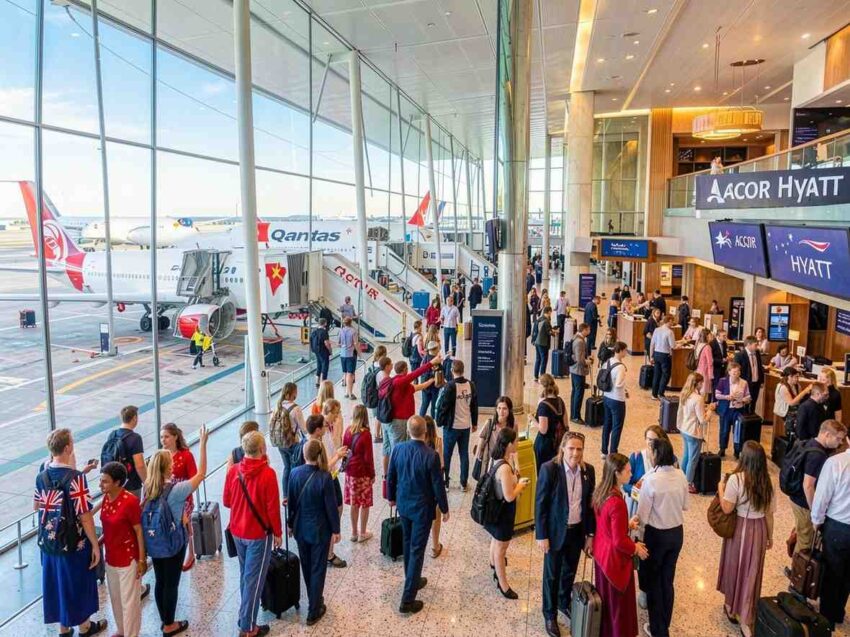
New Zealand, China, and the United Kingdom are leading the charge as Australia experiences an unprecedented surge in international tourism, with Qantas flights soaring and Accor and Hyatt hotels struggling to keep up with the rising demand. In 2026, these three nations have become the top sources of inbound visitors, triggering a ripple effect across Australia’s aviation and hospitality industries. With airlines like Qantas and China Southern expanding services to accommodate the influx of travelers, and renowned hotel chains reporting record occupancy rates, the tourism sector is thriving like never before. As a result, Australia’s tourism economy is experiencing a dynamic resurgence, unlocking new opportunities for travelers and industry stakeholders alike. This growth presents an exciting and bustling travel landscape for visitors eager to explore Australia’s stunning cities, landscapes, and vibrant culture, but it also raises questions about the sustainability and future of tourism in the region. Whether you’re a seasoned traveler or planning your first trip down under, understanding how this surge is shaping Australia’s travel experience will be crucial for navigating the high demand and making the most of your visit in 2026.
New Zealand, China & United Kingdom Visitors Trigger Qantas Flight Surges & Crowded Accor and Hyatt Hotels Across Australia — What It Means for Travel in 2026
As global travel continues to rebound in 2026, Australia has seen a significant surge in visitors from New Zealand, China, and the United Kingdom, each contributing to a massive boost in both flight capacities and hotel bookings. This dramatic growth in tourism demand has created a ripple effect across the aviation and hospitality industries, as airlines expand services, and hotels experience record occupancy levels. Qantas, the flagship carrier of Australia, is ramping up its flight offerings, while hotel chains like Accor and Hyatt are facing full bookings, especially in key tourist hubs across the country. In this article, we will explore the implications of these trends, focusing on the effects on travel in 2026, and how these developments are shaping the tourism landscape for both travelers and industry stakeholders.
Qantas Flight Surges and Expansion in Response to Increased Travel from New Zealand, China, and the UK
The surge in international travel to Australia in 2026, particularly from New Zealand, China, and the United Kingdom, has driven Qantas, Australia’s premier airline, to expand its services significantly. New Zealand, as the largest source market for Australian visitors, has seen a notable increase in short-term arrivals. In response to this heightened demand, Qantas has added more direct flights from Auckland, Wellington, and Christchurch to Sydney, Melbourne, and Brisbane. The addition of these extra flights ensures that the airline can accommodate the growing number of travelers heading to Australia. The airline is also enhancing its inflight services and boosting its aircraft fleet to handle the rising passenger numbers efficiently. As a result, travelers can expect more frequent and comfortable flights, especially those looking for connections between major cities like Auckland, London, and Shanghai.
China and the United Kingdom also remain key contributors to Australia’s inbound tourism growth. With China’s growing middle class and increasing interest in international travel, many Chinese tourists are choosing Australia as their destination of choice, especially for education and leisure. To meet this demand, Qantas has expanded its routes from Beijing, Shanghai, and Guangzhou, offering additional flights to major Australian cities. Likewise, travelers from the UK, traditionally strong visitors to Australia, have experienced the ease of direct flights from London to Sydney, making it a top option for British nationals seeking a long-haul adventure in Australia.
Advertisement
Advertisement
The Impact of Increased Flight Capacities on the Airline Industry and Passengers
The expansion of Qantas flights from New Zealand, China, and the UK is not only a direct response to increasing tourism demand but also an opportunity for the airline to enhance its overall service offerings. With additional capacity, Qantas has been able to improve its operational efficiency and increase its competitive edge within the international market. Airlines globally are recovering from the COVID-19 pandemic, and as such, the increased competition has spurred a focus on enhanced passenger experiences. For travelers, this means more options, better pricing, and improved in-flight amenities, making long-haul flights much more comfortable and convenient.
This increase in flight capacity also allows more flexibility for travelers, with more convenient flight times and better connections across major hubs. While Qantas has responded with an increase in service offerings, other carriers such as China Southern and British Airways are also following suit, resulting in a broader range of choices for tourists. As the demand from New Zealand, China, and the UK continues to grow, travelers can expect more seats and better scheduling, ensuring a smooth travel experience to and from Australia in 2026.
Crowded Accor and Hyatt Hotels as Tourism Boom Reaches New Heights
The accommodation sector in Australia is facing its own set of challenges as the tourism boom continues into 2026. Major hotel chains, particularly Accor and Hyatt, are seeing near full occupancy across their properties in key destinations. These two hospitality giants have long been leaders in Australia’s hotel industry, offering travelers luxury, comfort, and world-class service. However, with the influx of tourists from New Zealand, China, and the UK, both chains are now experiencing a strain on their capacity, particularly in cities such as Sydney, Melbourne, and Brisbane.
Accor, which operates multiple well-known brands such as Sofitel, Pullman, and Novotel, has seen a surge in bookings from international tourists. These properties, known for their central locations and high-quality services, are often booked months in advance, especially during peak seasons. Hyatt, another major player in Australia’s luxury hotel sector, is also grappling with high demand, especially for its Park Hyatt and Grand Hyatt brands. The increasing influx of travelers from key international markets is directly linked to a boom in bookings for high-end hotels across the country.
The crowded hotel spaces are not only indicative of the rising demand but also suggest an overall strong recovery and growth for Australia’s tourism industry. In 2026, tourists can expect to face higher competition for rooms, particularly in popular tourist destinations. As a result, travelers planning to visit Australia in the near future should consider booking accommodations well in advance to secure their preferred hotel.
What Does This Mean for Tourists in 2026?
For international tourists planning to visit Australia in 2026, the current surge in travel poses both opportunities and challenges. While the increased availability of flights and accommodation options presents exciting possibilities for those eager to explore Australia’s stunning landscapes and vibrant cities, travelers will need to be strategic about their travel planning to avoid missing out. Booking flights and hotels as early as possible is essential, especially for those traveling during peak tourist seasons.
Additionally, travelers can expect to benefit from the broader economic impacts of the tourism boom. With increased spending from visitors, local economies, particularly in the hospitality, retail, and entertainment sectors, will continue to flourish. In cities like Sydney and Melbourne, travelers will notice an uptick in the variety and quality of tourism-related services, from guided tours to new restaurants and entertainment options.
As more tourists flock to Australia’s iconic sites, such as the Great Barrier Reef, the Outback, and Sydney Opera House, tourists can expect a bustling yet enriching travel experience. However, with crowded accommodation options, it’s important for travelers to research the best times to visit specific destinations. Off-peak seasons or weekdays might offer a more relaxed experience, allowing visitors to enjoy top attractions without the overwhelming crowds.
How to Navigate the Surge in Flights and Hotel Bookings
Given the current surge in tourism, tourists planning to visit Australia in 2026 should keep a few travel tips in mind to ensure a smooth and enjoyable trip.
- Book early: With flights and hotel rooms filling up quickly, especially from key markets like New Zealand, China, and the UK, it’s crucial to book both your flights and accommodations as early as possible. This will help secure better rates and preferred options.
- Consider alternatives: While major cities like Sydney, Melbourne, and Brisbane are seeing the highest demand, Australia’s regional areas, such as Perth, Adelaide, and Tasmania, offer unique experiences with fewer crowds. Explore these off-the-beaten-path destinations for a more relaxed travel experience.
- Flexible travel dates: If your schedule allows, consider traveling during shoulder seasons or mid-week periods when the demand is lower. This can help you avoid the busiest travel times and provide more flexibility in your flight and hotel choices.
- Use loyalty programs: For frequent travelers or those planning longer stays, leveraging loyalty programs from airlines like Qantas, or hotel chains like Accor and Hyatt, can provide significant benefits, including upgrades and discounts.
- Plan for transportation: With increased tourism, transportation systems, particularly in major cities, may experience congestion. It’s advisable to plan ahead for airport transfers, car rentals, or use public transportation to avoid delays.
The Future of Travel in 2026 and Beyond
The tourism boom in Australia, driven by increased visitation from New Zealand, China, and the United Kingdom, has set the stage for a bright future for both the aviation and hospitality industries. Airlines like Qantas and China Southern have responded to the surge in demand by increasing flights and improving services, while major hotel chains like Accor and Hyatt continue to see record bookings across their Australian properties. For travelers, this means more options, better service, and exciting opportunities to explore one of the world’s most sought-after destinations.
New Zealand, China, and the United Kingdom are driving a massive surge in Australian tourism in 2026, with Qantas flights expanding and Accor and Hyatt hotels reaching full occupancy. This influx of visitors is reshaping the aviation and hospitality sectors, creating exciting opportunities for travelers and industry growth.
However, with this growth comes the need for careful planning. To make the most of your Australian adventure in 2026, book your flights and hotels early, consider less crowded destinations, and embrace the energy of Australia’s thriving tourism sector. The boom is not just about the numbers — it’s about the opportunities to experience new adventures, explore untouched landscapes, and enjoy world-class hospitality at every turn. As Australia prepares for even more international visitors, the future of travel in 2026 promises to be an exciting, dynamic, and rewarding experience for all.