Published on
January 9, 2026
Between New Year’s Eve and January 4, Hong Kong saw a staggering 950,000 inbound visitors, marking a 40% year-on-year growth compared to the same period in 2025. This impressive surge in tourism underscores the city’s strong recovery from past disruptions, showing the effectiveness of Hong Kong’s tourism strategies and the resilience of its economy.
For tourists planning trips to Hong Kong in 2026, these rising numbers are a clear signal that the tourism and MICE (Meetings, Incentives, Conferences, and Exhibitions) sectors are bouncing back with vigor. Mainland China accounted for the bulk of the arrivals, with 740,000 travelers, while 210,000 international visitors hailed from regions such as Thailand and Malaysia, benefiting from the new visa-free policies introduced last quarter.
A Bumper Start to Hong Kong’s Tourism Season
The New Year holiday period traditionally sees a rush of visitors to Hong Kong, and this year was no exception. The 40% increase in visitors from 2025 to 2026 was propelled largely by Mainland China’s travel boom, with residents flocking to the Special Administrative Region (SAR) to enjoy the city’s vibrant festivals, shopping, and cultural events.
For those visiting from non-mainland countries, Hong Kong’s visa-free entry policies for Thai and Malaysian nationals were a game-changer, further amplifying the number of travelers during this peak period. As a result, Hong Kong has now firmly positioned itself as a leading global tourist hub.
Managing the Visitor Surge: How Hong Kong Welcomes Its Guests
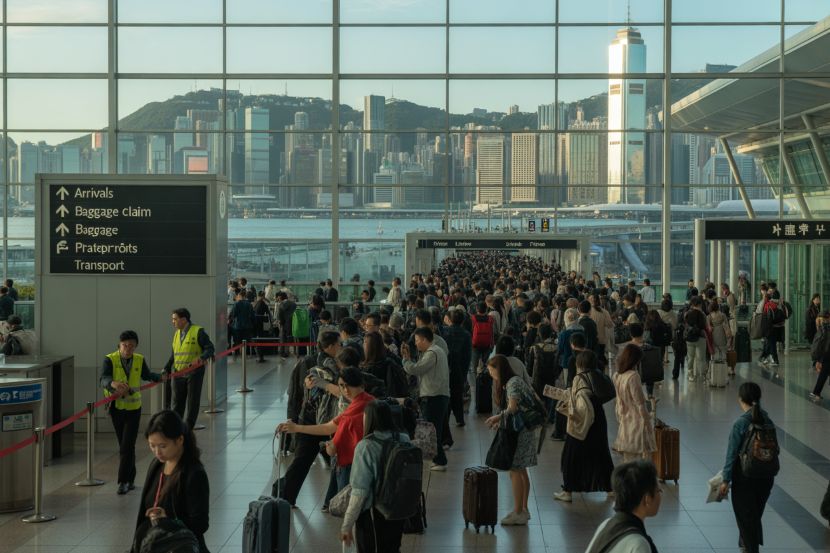
In light of the visitor surge, local authorities acted quickly to manage the crowds and ensure smooth travel for all incoming passengers. Lo Wu passenger services were extended until 2:00 AM, while Shenzhen Bay checkpoints operated through the night to accommodate the high volume of visitors.
Moreover, Hong Kong’s Security Bureau activated the Emergency Monitoring & Support Centre, implementing crowd control measures and ensuring the safety and efficiency of the process. These efforts were reflected in the significant improvement in the processing time for inbound visitors. Immigration desks at Hong Kong International Airport reduced their average wait time to just 10 minutes, compared to 14 minutes during the Golden Week rush in October 2025.
For travel organizers, the emphasis now lies on streamlining services to reduce any friction for visitors. Enrolling for contactless e-Channels and pre-arrival registration has become an efficient way for travelers to avoid long queues and expedite their passage into the city.
Rising Hotel Prices Amid Increased Visitor Demand
With the influx of tourists, hotel rates in Hong Kong experienced a notable spike. Three-star hotels in Tsim Sha Tsui saw their rates soar past HK$1,000 per night, marking the highest level since 2018. Travelers booking accommodation for the early weeks of January found themselves facing significantly higher rates due to the increased demand driven by the festive period.
This surge in accommodation prices presents an opportunity for travel managers and corporates to consider locking in hotel rates well in advance of major holidays like Spring Festival to avoid the sharp rise in costs. For business travelers, it may also be worthwhile to consider mixed-class airfares to balance costs, as airlines have begun to experience higher load factors due to the uptick in demand.
Retail Sector’s Mixed Response to the Holiday Rush
While the increase in visitors is a positive sign for Hong Kong’s tourism industry, the retail sector had a more nuanced experience. According to reports, while there were many day-trippers and window shoppers, the spending power of these visitors did not match expectations. Retailers observed an uptick in footfall but noted that many tourists refrained from making big purchases, keeping their wallets relatively closed.
However, analysts point out that footfall trends are a leading indicator of future spending. If visitor numbers continue to rise, per-capita spending is expected to follow suit in the coming quarters, reflecting a two-quarter lag. This suggests that Hong Kong’s retail market could see a boost in consumer spending later in the year as tourists become more comfortable with their travel expenditures.
Travel Tips for Visitors Heading to Hong Kong in 2026
For travelers looking to experience Hong Kong during its busiest season, here are a few important tips to make the most of your trip:
- Book Hotels Early: Given the increasing demand, it’s essential to reserve accommodations as early as possible, especially if you plan to visit during peak travel periods like Chinese New Year or Golden Week.
- Take Advantage of Visa-Free Policies: If you’re from Thailand or Malaysia, don’t forget to take advantage of the new visa-free entry policies that make entry easier and quicker for tourists.
- Plan for Longer Wait Times: While Hong Kong International Airport is improving its processing time, queues at peak hours can still be long. Contactless e-Channel registration is the quickest way to clear immigration.
- Expect Higher Costs: Hotel rates and airfares may rise during the busy tourist seasons, so it’s wise to book in advance and look for deals.
What’s Next for Hong Kong’s Tourism Industry?
The New Year surge is just the beginning of what’s expected to be a record-breaking year for Hong Kong’s tourism sector. With increasing numbers of mainland and international visitors, and a renewed focus on streamlined travel services, the city is well-positioned for continued growth.
Tourists and travel organizers alike will be keeping an eye on future visa policies and the continued evolution of travel infrastructure to ensure that Hong Kong remains a top destination for global travelers.

