This year the admin involved in travelling from the UK overseas is set to change quite a bit. More airports are due to scrap the 100ml liquid limit, and from April all Brits will need to provide fingerprints and mugshots, and apply and pay for a visa-waiver in order to enter any EU country.
There are changes lined up for people travelling to the UK too. And that includes for British dual citizens living abroad. Right now British dual nationals are allowed travel in and out of the country with their foreign passport. But that will change from next week.
The government has announced that British dual citizens may have to pay more than £500 in order to come to the UK. Here’s everything you need to know.
What are the new rules?
Under the new travel rules, British dual citizens will have to show a British or Irish passport in order to enter the UK. If they want to use the passport of the country where they hold dual citizenship, they’ll have to present it alongside a certificate of entitlement. And that will cost a pretty penny – more on that cost below.
Why are the new rules being introduced?
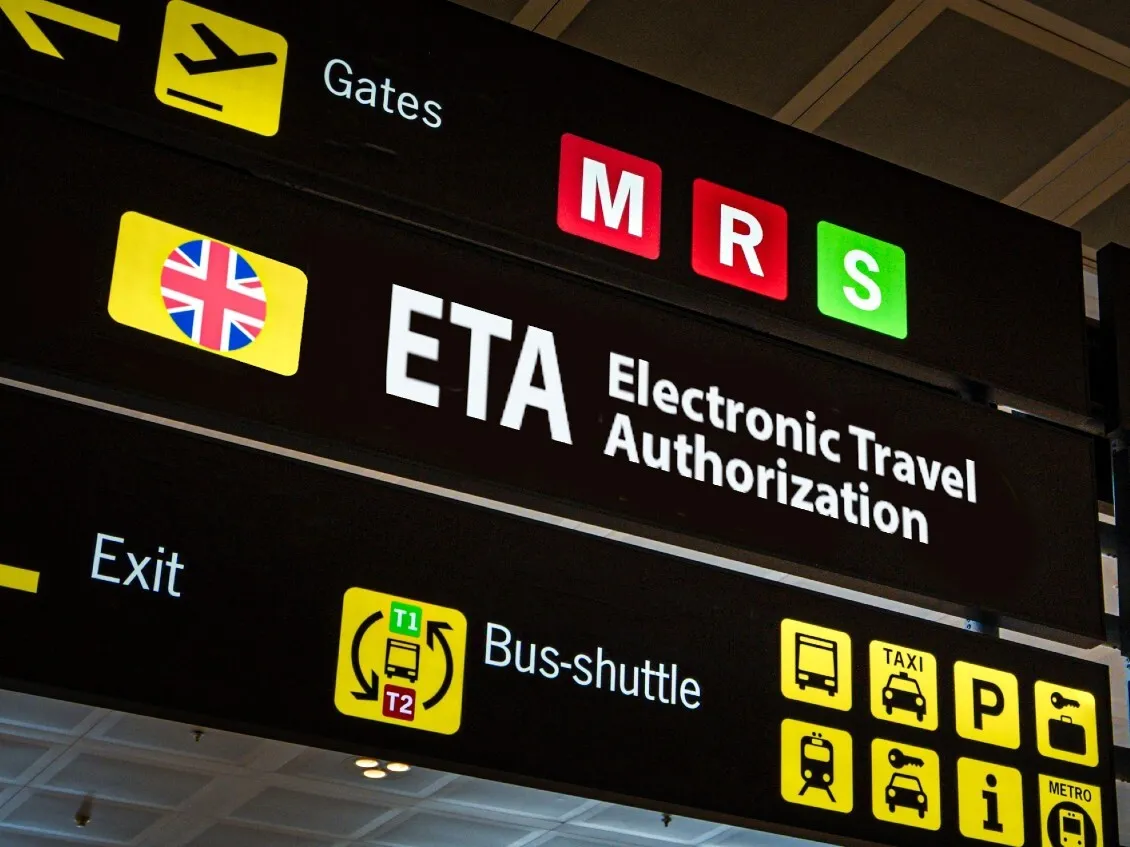
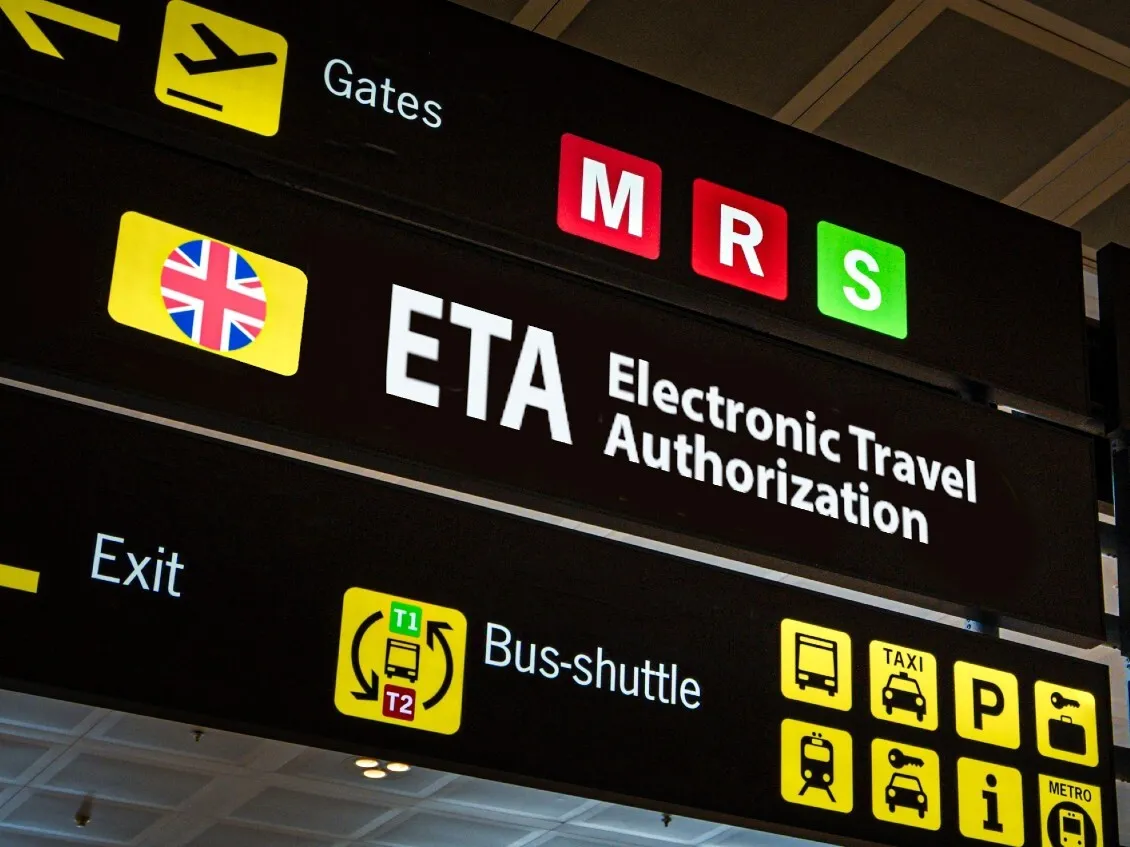
The new regulations follow the introduction of Electronic Travel Authorisation (ETA). ETA is a £16 document needed for travel to the UK by residents countries that don’t need a visa. It’ll be mandatory for residents of 85 countries, including the US, Canada, France and Australia.
British nationals can’t get an ETA, so it means that those who only have a foreign passport will need to obtain proof of citizenship (through either a new British passport of a certificate of entitlement) in order to enter the country.
When do the new rules come into effect?
The new rules will come into effect next week, on February 25, 2026. This is the same day that ETAs become mandatory.
How much will a certificate of entitlement cost?
For dual citizens to get into the UK without the need for a British or Irish passport, they’ll need to obtain a certificate of entitlement. That will cost £589 and must be renewed every time a new passport is issued.
It’s much cheaper to just get a British passport (£94.50), but the process of obtaining one for UK citizens living abroad tends to take longer and cost more.
What about Irish passports?
Irish citizens are exempt from the ETA, so any travellers with British and Irish dual citizenship will still be able to use a valid Irish passport to enter the UK, without the need for an expensive certificate of entitlement. The luck of the Irish, eh?
Why are the UK’s new dual citizenship rules so controversial?
The reaction to the new rules has been mixed, with campaigners saying that the world’s 1.2 million British dual nationals will become ‘second-class citizens’.
Another campaign claimed that the new rules are ‘discriminatory’ against women, as the names of married women – particularly in Spain and Greece – won’t exactly match on both passports. UK rules state that the two passport document names must exactly match.
The move has also led to confusion in British families living abroad whose children do not yet have a UK passport. Those children could be banned from entering the UK.
What will happen if a dual national tries to enter the UK without a British passport?
If dual citizens try and board a flight, train or ferry to the UK without a British (or Irish) passport or a certificate of entitlement, a government spokesperson said operators will not be able to verify that you are a British citizen. In turn, this could ‘lead to delays or refused boarding’.
ICYMI: The UK has climbed the global passport power rankings – here’s where British passports rank in 2026.
Plus: All the countries on the UK’s ‘do not travel’ list for 2026.
Stay in the loop: sign up to our free Time Out UK newsletter for the latest UK news and the best stuff happening across the country.