Pema Hutter-Rennilson and her friend, Lupine Wolf, sit together on a sidewalk bench on State Street on a sunny Tuesday afternoon. The two wear long army-green bottoms, tank tops and statement jewelry.
The University of Wisconsin-Madison students say they like to curate their own fashion sense.
“It helps me be more confident,” Hutter-Rennilson said about having their own style.
As social media is flooded with fashion advice, “get ready with me” videos and shopping hauls at every turn, young people say they feel obligated to follow certain “aesthetics.” But that sometimes involves sacrificing individuality in style. In Madison, some stay true to their own style, while others appreciate the guidance.
College students Pema Hutter-Rennilson, left, and Lupine Wolf describe their styles as whimsical, fun, playful, and fairytale-esque.
Hutter-Rennilson said that they don’t really follow social media’s fashion trends, which is hard not to do in today’s influencer and fashion culture.
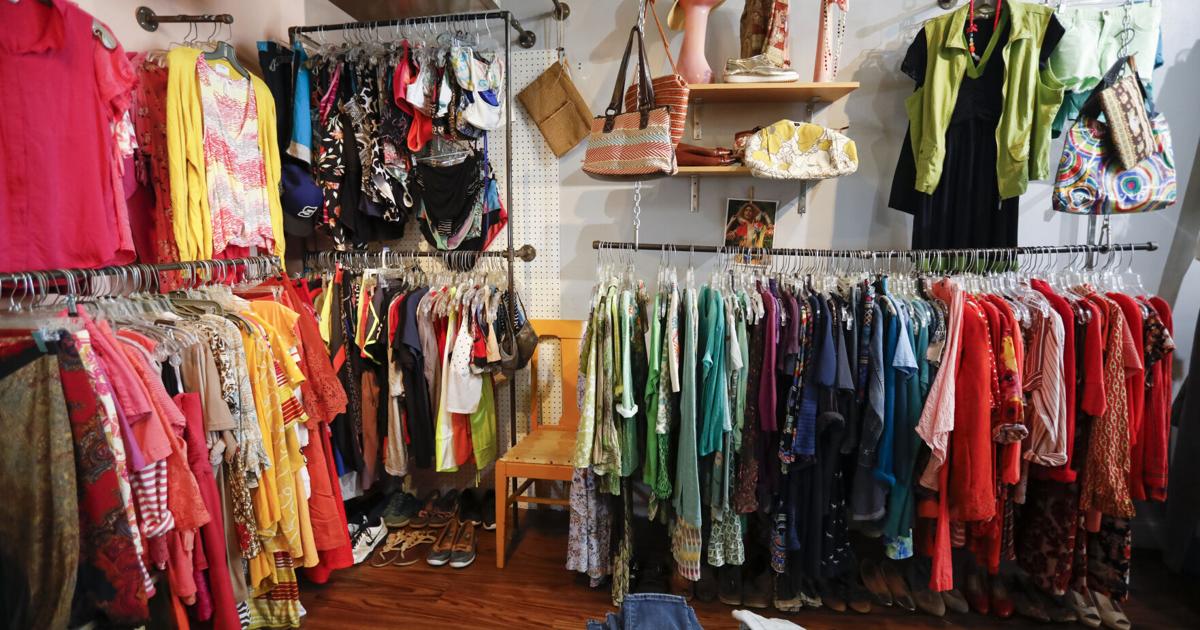
These online styles are called “aesthetics.” They can range from coquette, which consists of dainty and feminine clothes, or grunge, which is characterized by baggy and worn clothes. Many influencers base their brand around fitting a certain aesthetic and teaching others to do the same. Tutorials on how to dress to match an aesthetic sometimes get tens of thousands of views on social media.
Not only can these trends create waste in one-time wears, but they also can take away individual fashion sense when shopping.
These “aesthetics” also push the idea of having to wear a certain style for an event and if you don’t wear the same style as everyone else, you don’t fit in. To Madison local Elkin Thao, this can be a good thing.
He said that when he’s around others with a similar fashion style, he feels more confident in himself and how he dresses.
“When I’m confident, it helps me be more myself and not get in my own head,” Thao said.
In this way, the aesthetic or style of a certain setting can promote confidence in fashion — when you match the way others dress, ironically you feel freer to express yourself.
Finding a ‘style archetype’
Local image consultant Lisa Pretto owns House of Colour on the west side of Madison. She says this kind of social media-driven fashion environment creates waste.
Pretto helps around 50 clients a month find their most flattering and most personal fashion style. She says that many come to her with a style from social media that they want to fit and she helps them to figure out what about that style isn’t working for them.
“We don’t want to have things in our closet that are one-hit wonders, right? It’s like ‘Oh, I’m going to a country concert, I need to have the cowgirl aesthetic. OK, I’m gonna wear that once and never wear it again,’” Pretto said.
Earlier this summer, thousands of people flocked to Camp Randall Stadium on the UW-Madison campus to attend the Morgan Wallen concert. Nearby Regent Street was full of people clad in denim shorts and cowboy boots. But will they ever wear those cowboy boots again?
Pretto explained that sometimes, as a result of online aesthetics, people will buy and wear clothes just to fit a style or an event, even if that style doesn’t match their personal fashion sense.
“I always want to teach my clients that your personal style sits above the aesthetic,” she said.
“The need to be trendy — what it does is it makes us stop listening to ourselves,” Pretto said. “Staying truer to your own style archetype, I think, is always going to give you the best bang for your buck when it comes to shopping, and you’ll buy things that you’ll wear over and over and over again.”
Madison local Sarah Szot agrees. She says that she doesn’t really have a certain aesthetic she follows.
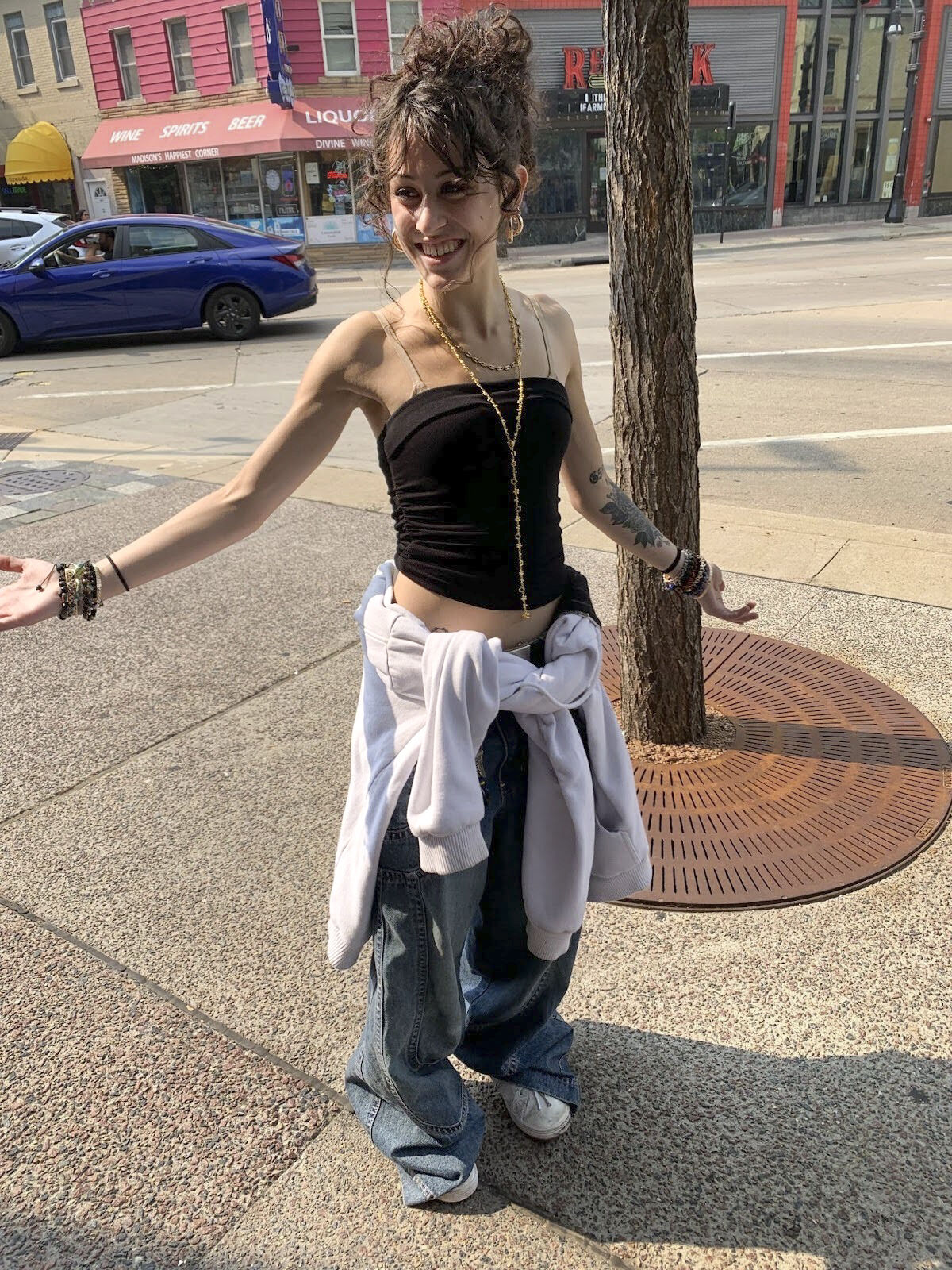
Sarah Szot says she likes to wear clothes she can skate in.
“I feel like myself,” Szot said, describing how it feels freeing to not follow online fashion culture. “I’m not putting myself in a box.”
When trying to fit an online aesthetic, personal likes and dislikes are often lost in translation. People can get so caught up in trying to perfectly match a style that they lose that individual touch, Pretto said.
“It’s totally fine to be influenced,” Wolf added. “But a copy and paste is not original and doesn’t let you play.”
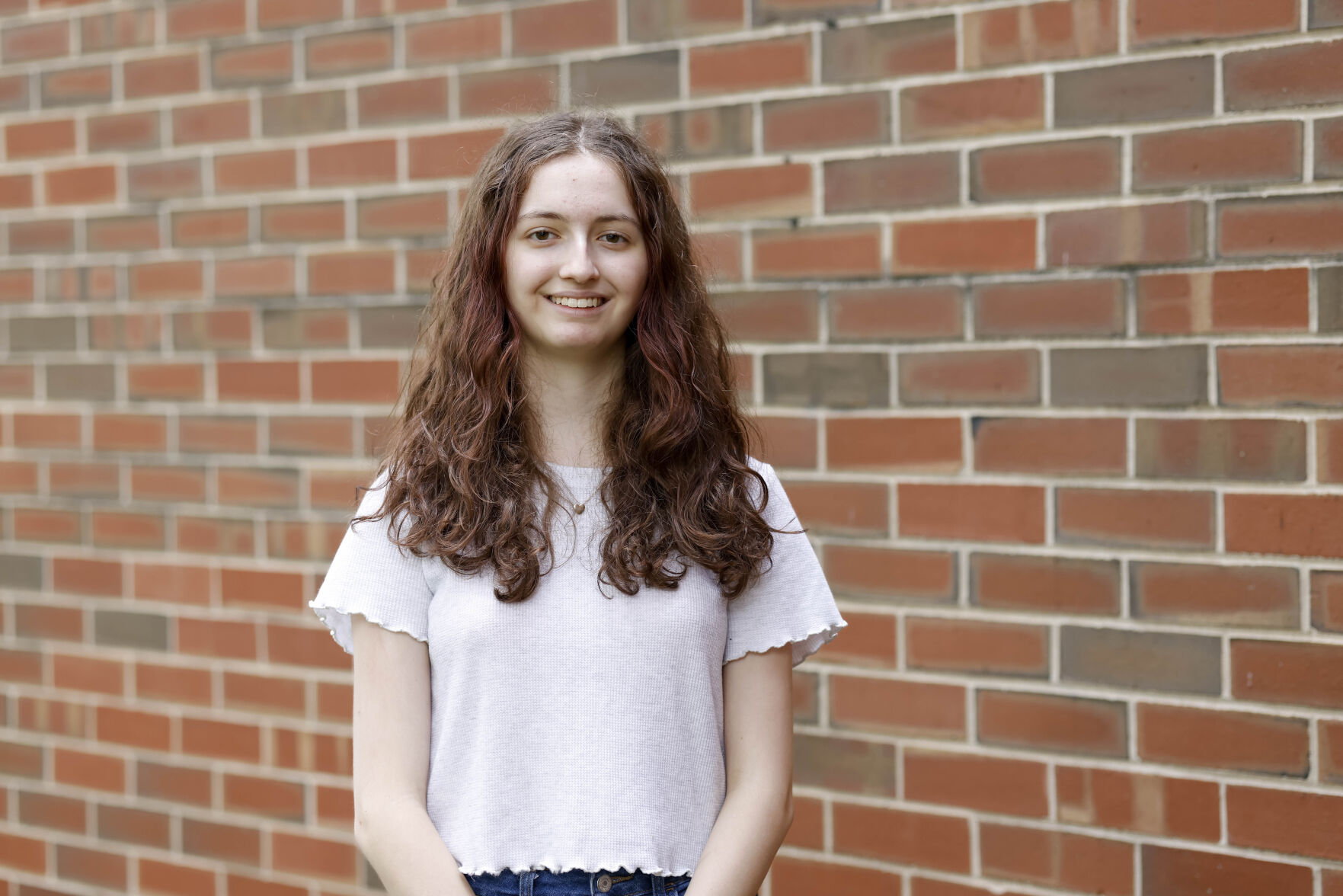
Ella De Grandis was a member of Youth Press Corps 2025, a one-week student journalism camp held at the Cap Times.
Ella De Grandis is a student journalist who produced this article as part of the 2025 Youth Press Corps summer journalism camp, a partnership between the Cap Times and the University of Wisconsin-Madison’s Greater Madison Writing Project.