Published on
November 19, 2025
Cathay Pacific, Hong Kong’s flagship airline, is soaring toward a greener future. The airline’s commitment to sustainability spans far beyond just fuel-efficient aircraft. From modernising its fleet to incorporating sustainable aviation fuel (SAF), Cathay Pacific is taking bold steps to reduce its carbon footprint and revolutionise air travel in Asia and beyond. With a goal of achieving 100% SAF by 2030 and reducing in-flight waste, the airline is making significant strides in transforming aviation into a more eco-conscious industry. This innovative journey isn’t just about fleet modernisation; it’s about sustainability across every aspect of its operation.
Cathay Pacific’s Green Fleet: The Key to Sustainability
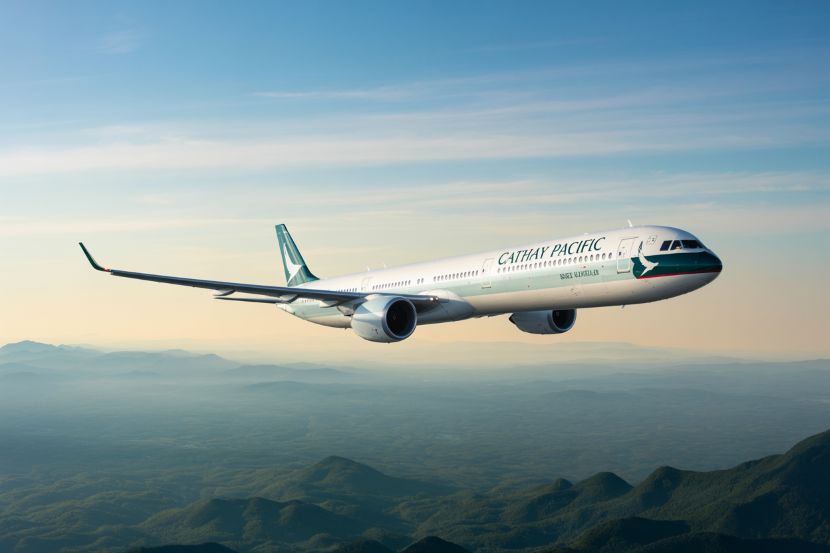
One of the primary pillars of Cathay Pacific’s sustainability plan is its modern fleet of fuel-efficient jets. The airline has begun replacing older aircraft with newer, more environmentally friendly models like the Airbus A350 and A321neo. These planes are significantly more fuel-efficient, reducing emissions and optimising operational costs. By 2027, Cathay Pacific will also replace its ageing Boeing 747 cargo planes with the Airbus A350F, which will further lower its environmental impact.
The airline’s shift to more advanced, energy-efficient aircraft is a critical step toward making air travel more sustainable in the long term. With reduced emissions, these aircraft offer a greener alternative to the traditional, less-efficient planes still in operation around the world.
Sustainable Aviation Fuel: A Game Changer
Cathay Pacific is also a frontrunner in promoting the use of Sustainable Aviation Fuel (SAF), an eco-friendly alternative to traditional jet fuel. In collaboration with aircraft manufacturer Airbus, the airline has made significant investments to ensure its fleet can operate on SAF. By 2030, Cathay aims for 100% of its jet fuel to be derived from SAF, which has the potential to significantly reduce the carbon footprint of air travel.
Currently, some Cathay flights already use a mix of conventional jet fuel and SAF, which is sourced from renewable materials like used cooking oil. This fuel reduces carbon emissions by up to 80% compared to traditional fossil-based aviation fuel. The airline’s partnership with Airbus also includes a joint investment agreement of up to US$70 million to help accelerate SAF production, not only in Asia but globally, paving the way for a more sustainable aviation industry.
Minimising Waste: Cathay’s Eco-Conscious Cabin
While planes and fuel take centre stage, sustainability for Cathay Pacific extends far beyond the cockpit. The airline is also focusing on reducing waste and minimising its environmental impact in the cabin. Cathay has made remarkable progress in reducing single-use plastics onboard. From 2019 to 2025, the airline has reduced the average number of plastic items per passenger from 7.7 to just 1.5. Moreover, 50% of the remaining plastic onboard is made from recycled materials, and the airline is actively looking for alternative eco-friendly materials to further reduce plastic waste.
One notable achievement is the switch to 100% recycled plastic for all water bottles served on flights departing from Hong Kong. This initiative alone has contributed to a dramatic reduction in the airline’s plastic consumption, setting a positive example for other airlines in the region.
Waste Reduction and Circular Economy: A New Approach to Food Waste
Cathay Pacific is also leading the way in sustainable food waste management. In Hong Kong, food waste from flights is no longer just discarded; it’s recycled into electricity. The airline has implemented a system that sorts food waste at its Cathay Dining Flight Kitchen, sending it to an organic resources recovery centre. The food waste undergoes anaerobic digestion, a process that generates electricity – enough to power approximately 8,000 households annually.
This innovative approach not only helps reduce landfill waste but also supports a greener, circular economy where waste is viewed as a resource rather than something to be discarded.
The Future: Greener Together
Cathay Pacific’s sustainability strategy is built on collaboration. In addition to working with Airbus on SAF production, the airline is also involved in a partnership with the Oneworld alliance and Breakthrough Energy Ventures to fund the development of next-generation sustainable aviation fuels. This collaboration aims to advance SAF technologies in the long term, ensuring that they are scalable, cost-competitive, and accessible across the entire aviation industry.
As part of its holistic approach to sustainability, Cathay also has ambitious targets for waste reduction in the cabin. By 2030, it plans to reduce the amount of waste generated per passenger to just 0.63 kg, a 30% reduction from 2019 levels.
What Travelers Can Do to Support Sustainability
While Cathay Pacific is taking significant steps to green its operations, there are simple ways travelers can support the airline’s sustainability efforts. First, passengers can choose flights that operate on sustainable fuels when possible. Many airlines, including Cathay, are transparent about their environmental efforts, so travelers can be more conscious when booking their flights.
Another way to help is by bringing reusable items onboard, such as water bottles and travel mugs. This reduces the demand for single-use plastics and contributes to Cathay’s goal of reducing plastic waste. Additionally, travelers can support eco-friendly tourism by choosing sustainable travel destinations and encouraging other airlines to follow Cathay Pacific’s lead in adopting sustainable practices.
Sustainability in Hong Kong’s Travel Industry
Hong Kong’s travel and tourism industry is gradually embracing sustainability, with airlines like Cathay Pacific taking the lead. For travelers, this represents a shift toward more eco-conscious holiday options. As travelers become more aware of the environmental impacts of air travel, they are increasingly seeking out airlines that demonstrate a commitment to sustainability.
Final Thoughts: A Greener Horizon for Aviation
Cathay Pacific’s commitment to sustainability, from its modern fleet to its innovative fuel solutions and waste reduction efforts, showcases its dedication to leading the aviation industry toward a greener future. While there is still much work to be done, the airline’s sustainable initiatives serve as a model for other companies in the aviation sector. As air travel continues to grow globally, Cathay Pacific is setting the stage for a more eco-friendly industry, showing that a greener future is not just possible – it’s already underway.