The AA, which undertook the new research, insisted drivers are “willing to follow the rules”, with drivers themselves saying they would be deterred from parking there if more spaces were available elsewhere.
Other common reasons given for parking on double yellow lines include loading or unloading goods, making a quick stop or someone having a Blue Badge.
Here is all you need to know about yellow lines in the UK and whether you can park on them.
7 Common Speed Camera Myths
What do yellow lines mean in the UK?
As stated in the Highway Code, restrictions indicated by yellow lines apply to the carriageway, pavement and verge.
Meaning of double yellow lines:
Double yellow lines mean no waiting at any time, unless there are signs that specifically indicate seasonal restrictions.
Meaning of single yellow lines:
Single yellow lines indicate that there is no waiting during the times shown on the sign.
If no days are shown on the signs, the restrictions are in force every day, including Sundays and Bank Holidays.
Drivers can stop to load or unload on yellow lines (unless there are also loading restrictions) or briefly while dropping someone off or picking them up, but no parking or waiting is allowed.
People with a valid disabled badge may have specific exceptions, but signs must be checked as they may further restrict these rules.

Difference between red and yellow lines on UK roads
Red lines on a UK road mean no stopping at any time.
Double red lines mean stopping at any time, with single red lines indicating no stopping during the times shown on the sign.
A white parking bay with red lines on either side means that parking is limited to the duration specified during the days and times shown.
A fully red parking bay indicates that loading may take place at the times shown for up to a maximum duration of 20 minutes.
How much is a fine for parking on yellow lines?
Councils use cameras and traffic wardens to detect yellow line offences.
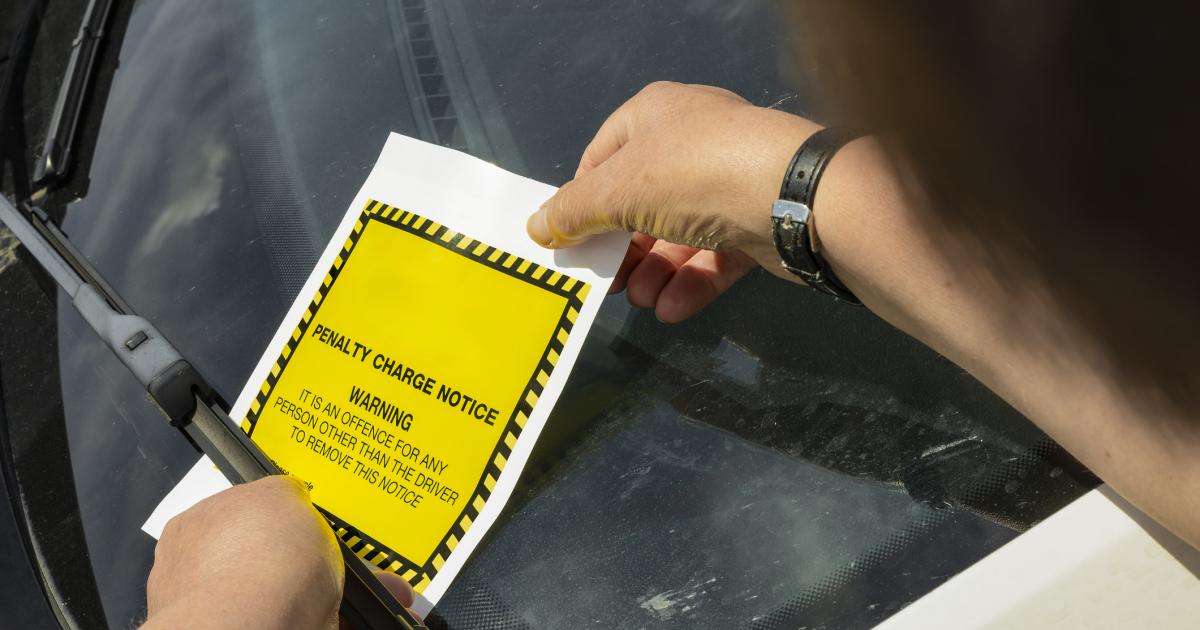
While there is no set fee for fines for parking on double yellow lines, PCNs issued in London can be up to £160.
Outside of London, fines for yellow lines are typically about £70, but can be as much as £130.
The amounts are usually halved if paid within 14 days.
Warning to UK drivers of yellow line fines
Responses to Freedom of Information requests sent by the AA to all UK councils found that 1.6 million penalty charge notices (PCNs) were issued for illegal parking on single or double yellow lines in 2024.
The AA also surveyed nearly 15,000 AA members, which revealed reasons such as loading or unloading goods (43%), making a quick stop (31%), a vehicle occupant having a Blue Badge (27%) and a lack of available parking spaces elsewhere (18%), were reasons for parking on yellow lines.
Some 52% said they would stop parking illegally if there were more parking options.
A total of 38% of drivers aged 65 and above admitted to parking on double yellow lines, compared with just 29% of those aged 18 to 24.
Jack Cousens, AA parking expert, issued a “call to action” for councils and transport planners.
UK speed limits explained
He said: “People need to know where they can park safely and legally.
“Expanding legal parking provisions and improving visibility of restrictions could significantly reduce violations and improve road safety.
“The data shows that drivers are willing to follow the rules – but they need the tools to do so.
“A combination of infrastructure investment, education and smart enforcement is the way forward.”
A spokesperson for the Local Government Association said the increase in the number and size of vehicles in recent decades means it is “increasingly challenging for councils to manage parking demand and make sure that people park safely and within the rules”.
He added: “Parking fine levels in England outside of London are set by the Government, however, they have not been reviewed since 2008.
“A review of these levels could help ensure councils have up-to-date powers to tackle unlawful parking, ensure fair treatment to those that follow the rules and support better parking provision and enforcement where needed.”
Recommended reading:
A Department for Transport spokesperson added: “Parking enforcement plays an important role in keeping roads safe and traffic flowing.
“Penalty charges should be fair and used to encourage drivers to park the right way, not to catch them out.
“We’re carefully considering new evidence from the parking sector on current fine levels, and will respond in due course.”