Fashion brands have long chased younger shoppers — to both stay on the cutting edge and lock in customers when they still have a life of style ahead of them.
But AI, social media and continuing changes in the consumer mindset have made it all the harder for fashion to keep up.
Brands are less able to lead young shoppers and, instead, the opposite is happening. Gen Z and Gen Alpha are rewiring the fashion industry, according to the WWD x BCG Future of Fashion Report, released at the WWD Apparel and Retail Summit on Tuesday.
The study was based on BCG surveys with more than 9,000 consumers, analysis of more than 50,000 social media posts and one-to-one interviews with industry movers and shakers, including Joanne Crevoiserat, chief executive officer of Tapestry Inc.; Iris Langlois-Meurinne, global chief marketing officer at Ralph Lauren Corp.; Silvio Campara, CEO of Golden Goose, and Daniella Kallmeyer, founder and CEO of Kallmeyer.
“At Golden Goose, we stay connected to younger consumers by being an active part of their world — pioneering spaces where authenticity, emotion and self-expression thrive,” Campara said. “We tailor our collections to local tastes and celebrate storytelling through personalization and scarcity. Each piece is meant to feel unique, emotionally valuable and reflective of the individual wearing it.”
Not everyone is as conversant with younger shoppers as Golden Goose, but the stakes are high for almost every brand.
Forty percent of fashion spending over the next decade is expected to come from Gen Z and Gen Alpha.
When it comes to future consumers, fashion has to race to keep up.
stock.adobe.com
The report identified five key insights on Next Gen consumers, diagnosed how brands are connecting with these newer consumers and offered some guidance for the future.
Here, a five-part breakdown of fashion’s new youthquake.
1. Gen Z moves by a different set of rules than prior generations.
Shoppers under 28 years old spend 7 percent more on apparel and shoes and 10 percent less on dining out than their older counterparts. And they have a longer list of needs and wants from fashion.
“With tighter budgets but a strong desire for self-expression, [younger consumers are] choosing styles that help them feel fun, authentic and successful and that make them feel like an influencer among their peers,” the report found. “They want to impress those around them, but without paying a premium….Brands should invite the young generation to co-create and shape their identity, not just consume it — from product design to storytelling.”
2. Heritage no longer determines brand value; youth culture decides who wins consideration.
Social media has amped up the trend cycle considerably, leaving brands that aren’t ready to move at lightning speed struggling to respond and capitalize on online momentum.
The report suggests: “Recruit young talent and infuse youth culture into the product, collaboration and creator strategy, with a real-time pulse on what is about to take off with Fashion’s Next Gen.”

Gen Z and Gen Alpha are expected to account for 40 percent of spending on fashion over the next decade.
stock.adobe.com
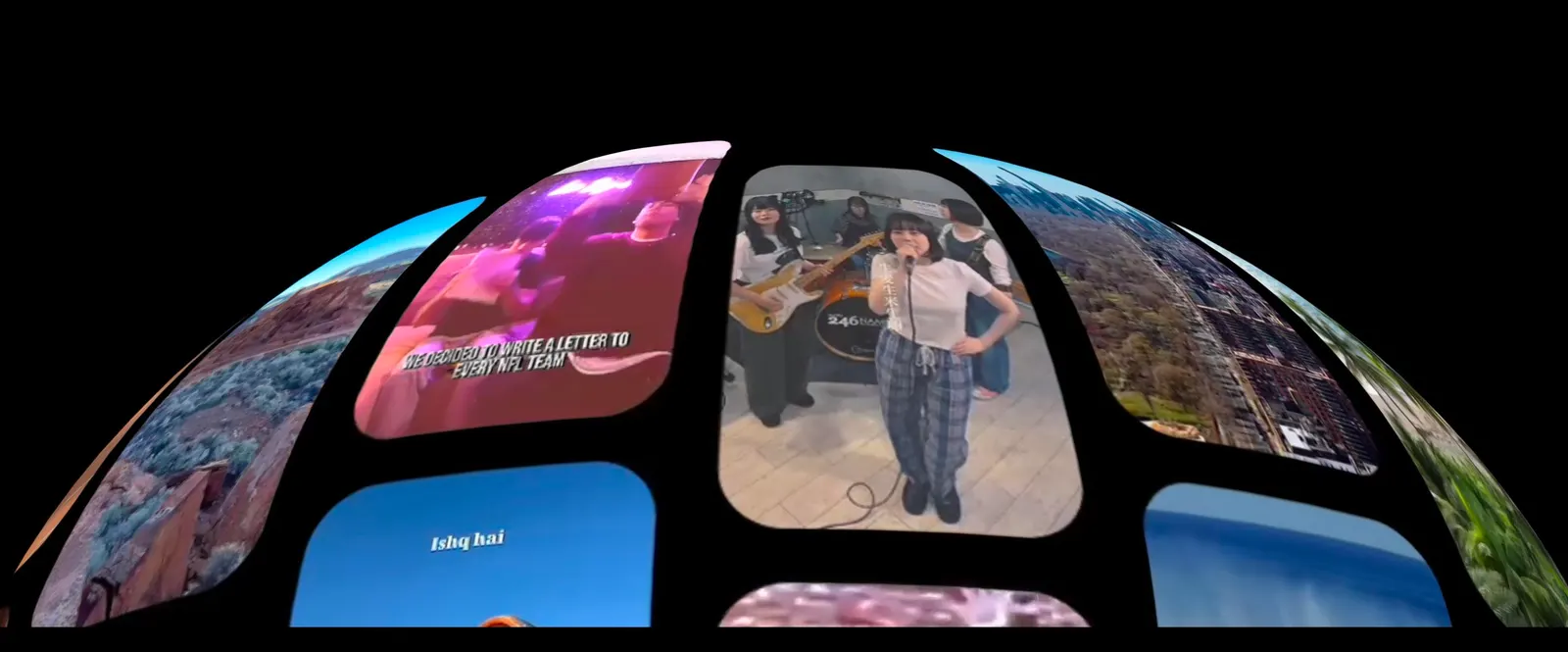
3. Social media is the new battleground and is evolving from funnel to flywheel.
Brand content alone is “too static” and Gen Z and Gen Alpha are “inherently social,” according to the research, which sees online creators and users sparking engagement in real time.
“Modern consumer journeys revolve around four key behaviors: streaming, scrolling, searching and shopping,” the report found. “Unlike the rigid, sequential approach of the funnel, influence mapping uncovers overlapping and influencing touchpoints simultaneously.”
Crevoiserat said: “With younger consumers, loyalty is earned through emotional connections. That means aligning to what they value in a way that is authentic to our brands. Coach’s expressive luxury positioning and Kate Spade New York’s uplifting luxury positioning resonate with what our target young consumer values.”
4. There is a seismic shift in shopping in the works with 40 percent of younger consumers using AI to shop.
While the future of AI in fashion is yet to be mapped out, the industry is diving in and the report said agentic search engine strategies should rest on four pillars: “optimizing for how users ask questions, enabling AI friendly content architecture, managing brand presence across third-party stores and showing up where influence happens.”
Langlois-Meurinne said: “AI is shifting customer expectations and behaviors, blurring the lines between inspiration and commerce….We are focused on showing up to reach audiences where they spend their time, like LLMs, TikTok, WeChat, YouTube and gaming, to help our customers express their individuality in a way that feels authentic and inspiring.”
5. Younger shoppers are product driven instead of brand driven.
“As cultural cycles accelerate, Gen Z and Alpha are redefining how they engage with fashion,” the report said. “Unlike older generations who built lasting loyalty to specific houses, these consumers prioritize products that feel distinctive, relevant and expressive in the moment. They mix heritage names with emerging labels, curating identities rather than committing to a single brand. This shift away from traditional loyalty means that resonance today comes less from legacy and more from delivering the right product at the right cultural moment.”
As Kallmeyer said: “I consider myself a problem solver more than a fashion designer. I’m focused on how to solve problems in modern women’s lives. The younger consumer is shaping that. Her lifestyle is very versatile and requires more flexibility, causing luxury to mean something different to her. I ask myself, ‘What’s a wardrobe that suits her lifestyle and makes her feel comfortable?’ To me, luxury is about making the most beautiful things that make people feel like they can be the deepest, richest version of themselves — comfortably.”
So that’s it — be fast and agile, willing to cede control to shoppers, even more social, able to see beyond your heritage and ready to work with AI.
Already, this next generation is putting the industry through its paces.