Published on
March 21, 2026
By: Tuhin Sarkar

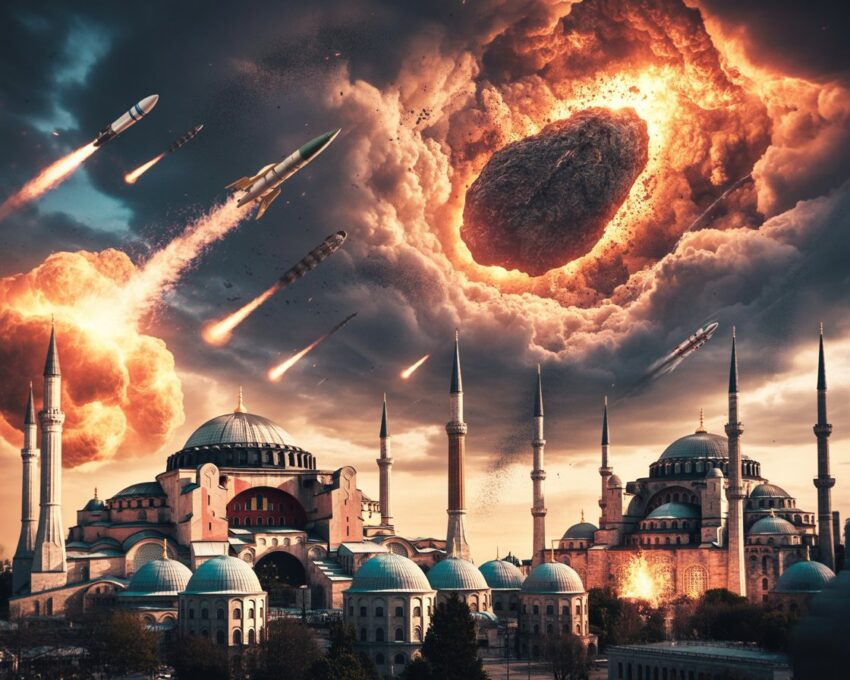
Image generated with Ai
France joins the United Kingdom, Germany, Italy, Netherlands, Sweden as US Spring Break travel begins, driving tourism gains, but Iran’s bone-chilling threat to target tourist locations could hurt the industry fast.
France joins the United Kingdom, Germany, Italy, Netherlands, Sweden and more European countries reaping tourism gains this year as US Spring Break travel begins. And the surge is visible. Flights are full. Hotels are packed. US Spring Break travel begins and accelerates demand. Therefore, France joins the United Kingdom, Germany, Italy, Netherlands, Sweden in a powerful tourism upswing. Moreover, tourism gains are rising across Europe. However, Iran’s bone-chilling threat to target tourist locations could hurt the industry. This risk is growing.
US tourists are moving fast. They choose France, the United Kingdom, Germany, Italy, Netherlands, Sweden. They repeat routes. They expand stays. Consequently, tourism gains increase. But Iran’s bone-chilling threat to target tourist locations creates concern. Travel safety becomes a key factor. Still, US Spring Break travel begins strongly. Europe benefits.
At the same time, France joins the United Kingdom, Germany, Italy, Netherlands, Sweden again in capturing this demand. Tourism gains are visible across cities. Yet, Iran’s bone-chilling threat to target tourist locations could hurt the industry if perception shifts. Therefore, Travel And Tour World urges readers to follow this developing story closely.
What is Iran’s “bone-chilling threat” and why is it alarming the global tourism sector?
Iran’s warning targeting global tourist locations has created widespread concern. The statement includes beaches, parks and public attractions. Iran tourism threat is now a major topic. Global travel safety concerns are rising. Tourist site warning impacts perception. The timing is critical. Spring Break travel has begun. Millions are travelling. The threat follows rising geopolitical tensions. Military conflicts have escalated. Travel industry reacts quickly to perception. Tourism confidence is affected. Even indirect threats influence behaviour. Global tourism risk becomes a central concern. Iran threat tourism impact is now shaping discussions across the travel industry worldwide.

Image generated with Ai
How are these threats already affecting global travel and airline operations?
Global travel and airline operations are already experiencing disruption. Flights are delayed. Airspace restrictions are increasing. Airlines are rerouting flights. Travel disruption 2026 is visible. Rising airfare reflects increased fuel costs. Flight delays are becoming common. Airlines face operational challenges. Passenger demand remains high. But efficiency is affected. Travel cost increases impact tourists. Airline industry pressure is rising. Global travel continues but with adjustments. Tourism demand remains strong. However, logistical challenges are increasing. Travel industry adapts to changing conditions. Airline disruptions and cost increases define current travel trends in 2026.
Advertisement
Advertisement
Is France emerging as the top European destination for US tourists while opposing Iran’s policies?
France stands at the centre of US travel to Europe in 2026. It is the most visited country globally. Millions of US tourists choose France every year. Paris drives this demand. The Eiffel Tower, Louvre and luxury shopping define the experience. Short sentences. High impact. Strong demand.
US tourists France. Europe travel France. Visa-free France. These keywords dominate. The ease of entry is critical. Americans do not need a visa for short stays. This removes friction. It increases travel flow.
Advertisement
Advertisement
At the same time, France is politically active. It opposes Iran’s missile programme. It supports sanctions. It works with allies. This creates a dual dynamic. Tourism grows. Politics intensifies. France balances both.
Why is France leading the US tourist influx despite rising global tensions?
France is leading US tourist inflows in 2026 with strong and stable demand. Paris remains the centre. The Eiffel Tower, Louvre Museum and luxury shopping attract millions. US tourists France are increasing year after year. Paris travel demand remains high. Europe luxury tourism is concentrated here. Visa-free France access removes barriers. Direct flights from the US increase arrivals. Tourism infrastructure is strong. France tourism growth continues despite global tensions. France also opposes Iran’s missile programme and supports sanctions. This creates a dual reality. Tourism expands. Politics intensifies. France remains both a global tourism leader and a key geopolitical actor in Europe.
Why is Spain witnessing rapid growth in US tourism while aligning with European opposition to Iran?
Spain is expanding fast. US tourists are choosing Spain in large numbers. Barcelona and Madrid lead. Ibiza and Mallorca add seasonal demand. Beach tourism is strong. Nightlife is powerful. Prices are competitive.
US tourists Spain. Europe beach travel. Summer tourism Spain. These search trends are rising. Spain offers value. It attracts younger travellers. It attracts digital nomads.
Politically, Spain aligns with European Union policy. It supports sanctions on Iran. It follows diplomatic pressure strategies. It does not lead aggressively. But it remains aligned.
Tourism and policy move together. Spain grows as a travel hub. It maintains a cautious but clear stance on Iran.
How is the United Kingdom maintaining strong US travel demand in 2026?
The United Kingdom continues to attract high numbers of US tourists in 2026. London remains the primary gateway. Cultural familiarity supports travel. Language connection simplifies experience. US tourists UK numbers remain strong. London tourism continues to expand. Europe travel UK demand includes both leisure and business travellers. Museums, heritage sites and shopping districts attract visitors. Connectivity remains high. Flights are frequent. The UK also aligns closely with US policy. It opposes Iran and supports sanctions. Despite political positioning, tourism remains unaffected. UK tourism growth continues. The country balances strong travel demand with a firm geopolitical stance.

Image generated with Ai
How is Italy attracting US tourists through culture while supporting Western pressure on Iran?
Italy is driven by culture. Rome, Venice and Florence dominate travel plans. US tourists seek history. They seek food. They seek experience. Italy delivers.
US tourists Italy. Culture tourism Europe. Visa-free Italy. These keywords are trending. The appeal is emotional. Travellers stay longer. Slow travel increases.
Italy supports European policy on Iran. It aligns with sanctions. It supports diplomatic engagement. It avoids extreme positions. It balances economic and political interests.
Tourism remains strong. Policy remains consistent. Italy benefits from both stability and global interest.
Is the United Kingdom maintaining strong US tourist inflows while taking a firm stance against Iran?
The United Kingdom remains a top destination. London is the primary gateway. Language familiarity helps. Cultural ties matter. US tourists feel comfortable.
US tourists UK. London travel. Europe tourism UK. These keywords remain strong. The UK attracts both leisure and business travellers.
Politically, the UK takes a firm position. It aligns closely with the United States. It supports sanctions. It criticises Iran’s military actions. It remains vocal.
This creates a clear pattern. Strong tourism. Strong policy stance. The UK combines both influence and accessibility.
Why is Germany important for US tourists and how does it position itself against Iran?
Germany is a key European destination. It attracts both business and leisure travellers. Berlin and Munich lead. Cultural tourism and industry combine.
US tourists Germany. Europe business travel. Germany tourism. These keywords reflect diverse demand. Germany offers efficiency. Infrastructure is strong. Travel is smooth.
Germany is part of the E3 group. It works with France and the UK. It engages in nuclear negotiations. It also supports sanctions. It balances diplomacy and pressure.
Germany’s role is strategic. It connects politics and economics. It remains central in both tourism and global policy.
Why are Germany and the Netherlands benefiting from rising US tourist numbers?
Germany and the Netherlands are benefiting from steady US tourist growth in 2026. Germany offers a mix of business and leisure tourism. Berlin and Munich attract diverse travellers. US tourists Germany reflect both corporate and cultural travel demand. Europe business travel Germany remains strong. The Netherlands focuses on short-stay tourism. Amsterdam leads with museums and canal culture. US tourists Netherlands continue to rise. Amsterdam tourism demand is stable. Both countries support EU policies opposing Iran and maintain diplomatic pressure. Tourism remains unaffected by politics. Schengen travel allows easy movement. Multi-country itineraries increase visits to Germany and Netherlands significantly.
How is Greece benefiting from US tourism growth while aligning with European positions on Iran?
Greece is rising fast. US tourists are choosing Greek islands. Santorini and Mykonos dominate. Summer travel is strong. Cruise tourism is expanding.
US tourists Greece. Island tourism Europe. Summer travel Greece. These keywords are growing. Greece offers lifestyle and scenery.
Politically, Greece aligns with EU positions. It supports sanctions. It maintains diplomatic engagement. It avoids escalation.
Tourism drives the economy. Policy follows European consensus. Greece balances growth and stability.
Is the Netherlands emerging as a cultural hotspot for US tourists while opposing Iran diplomatically?
The Netherlands attracts cultural tourism. Amsterdam leads. Museums and canals define the experience. Short stays are common. Connectivity is strong.
US tourists Netherlands. Amsterdam travel. Europe city tourism. These keywords reflect demand. The country is compact. It is efficient.
The Netherlands is critical of Iran’s policies. It focuses on human rights. It supports EU sanctions. It remains vocal in diplomacy.
Tourism remains unaffected. Policy remains firm. The Netherlands continues to grow as a secondary hotspot.
Is Italy still capturing global attention through culture and experience tourism?
Italy continues to dominate global tourism through culture and experience. Rome, Venice and Florence remain key destinations. US tourists Italy are increasing steadily. Culture tourism Europe is strongly linked to Italy. Food, history and architecture create immersive experiences. Visa-free Italy access simplifies travel. Travellers stay longer. Slow travel Italy is rising. Italy tourism growth remains strong. The country aligns with EU policy on Iran and supports diplomatic pressure. It balances political engagement with tourism expansion. Italy travel demand continues despite global tensions. The emotional appeal of Italy keeps it at the centre of Europe tourism.

Image generated with Ai
Why are Eastern European countries like Poland becoming relevant for both tourism and geopolitical alignment?
Poland is gaining attention. US tourists are exploring new destinations. Kraków and Warsaw are emerging. Cultural tourism is expanding.
US tourists Poland. Eastern Europe travel. New destinations Europe. These keywords are rising. Value plays a role. Costs are lower.
Poland strongly aligns with NATO. It supports US policy. It is vocal against Iran’s regional actions. It focuses on security.
This creates a shift. Eastern Europe is no longer secondary. It is becoming both a tourism and political player.
How is Sweden emerging as a new destination for US tourists in Europe?
Sweden is emerging as a growing destination for US tourists in 2026. Nordic travel trends are rising. Stockholm leads as a key city. US tourists Sweden are increasing steadily. Europe sustainable tourism is driving demand. Clean cities and nature attract travellers. Sweden tourism focuses on eco-friendly experiences. Connectivity with other European destinations supports multi-country travel. Sweden aligns with EU positions opposing Iran and emphasises human rights. Tourism remains unaffected by geopolitical issues. Sweden travel demand continues to grow. The country positions itself as a premium, safe and organised destination within Europe tourism markets.
How do visa-free policies influence US travel to these European countries?
Visa-free access is the foundation. US tourists can travel across most of Europe without visas. This simplifies planning. It reduces barriers.
US passport access. Visa-free Europe. Easy travel Europe. These keywords dominate. Tourists prefer convenience. They avoid complex processes.
The Schengen system allows multi-country travel. One entry. Many destinations. This increases efficiency. It boosts tourism spending.
Policy alignment does not affect entry. Tourism remains open. Visa rules drive decisions more than politics.
Are geopolitical tensions affecting US travel patterns across Europe?
Geopolitical tensions are rising. Iran-related concerns are part of the global narrative. However, impact on tourism is limited.
US tourists prioritise safety. Europe is seen as stable. This increases demand. Travel continues despite global issues.
Travel safety Europe. Secure destinations. Tourism trends 2026. These keywords shape behaviour. Tourists adapt. They choose stable regions.
Europe benefits from perception. It remains a safe zone. This strengthens its position in global tourism.
Are France, Spain, Italy, UK and Germany shaping both tourism and geopolitics in 2026?
France, Spain, Italy, the UK and Germany dominate US travel to Europe. They offer access. They offer experience. They offer stability. US tourists continue to choose these destinations.
At the same time, these countries are active in global politics. They oppose Iran’s missile programme. They support sanctions. They engage in diplomacy.
This creates a dual reality. Tourism grows. Politics intensifies. The two operate in parallel.
US travel Europe. Europe tourism boom. Global travel trends 2026. These patterns define the year.
The world is open. Europe leads. US tourists follow.
Are US tourists seeing Europe as the easiest gateway for global travel in 2026?
Europe is dominating US travel decisions in 2026. The region is open. The process is simple. US tourists do not need a visa for short stays across most of Europe. This creates strong demand. Flights are filling fast. Cities are crowded. Tourism is booming again.
France, Italy, Spain and Greece are leading. These countries attract US tourists with culture, food and heritage. The Schengen system allows seamless movement. One entry gives access to multiple countries. This increases flexibility. It boosts spending.

Image generated with Ai
Why is France leading the surge of US tourists this summer?
France is seeing a sharp rise in US tourists. Paris remains the primary magnet. The Eiffel Tower, Louvre and Seine cruises attract repeat travellers. Luxury tourism is expanding. High-end shopping and gastronomy drive spending.
Short flights within Europe allow tourists to combine destinations. France becomes a hub. From Paris, travellers move to Italy, Spain and Switzerland. This increases France’s strategic tourism value.
US tourism in France benefits from strong infrastructure. Safety perception is high. Connectivity is strong. Visa-free access remains the key factor. The country continues to rank among the top global destinations for Americans.
How is Italy capturing US travel demand through culture and heritage?
Italy is attracting US tourists with history and experience. Rome, Venice and Florence remain central. Cultural tourism is strong. Art, architecture and food create immersive travel.
US travellers are spending more time in Italy. Slow travel is rising. Tourists are exploring smaller towns. This shifts tourism patterns beyond major cities.
Italy benefits from visa-free access. The process is simple. No bureaucracy. This increases travel confidence. US tourists see Italy as both aspirational and accessible. The keyword cluster—US travel Italy, Europe tourism, visa-free Italy—is trending strongly in 2026.
Is Spain becoming the most dynamic destination for US tourists?
Spain is expanding rapidly as a US tourism hotspot. Barcelona and Madrid lead. Ibiza and Mallorca attract summer crowds. Beach tourism is strong. Nightlife tourism is expanding.
US tourists are choosing Spain for value. Compared to France and Italy, Spain offers competitive pricing. This attracts younger travellers. Digital nomads are also increasing.
Connectivity is improving. Direct flights from the US are rising. Visa-free access simplifies entry. Spain’s tourism strategy focuses on experience. Food, festivals and coastal tourism drive demand.
Spain is becoming a high-growth destination. US tourists Spain. Europe beach travel. Summer tourism Spain—these keywords are dominating travel trends.
What role does Greece play in attracting US summer travellers?
Greece is one of the fastest-growing destinations for US tourists. The islands are the main attraction. Santorini and Mykonos dominate bookings. Luxury tourism is expanding. Cruise tourism is rising.
US tourists are choosing Greece for scenery and lifestyle. The Mediterranean experience is a key driver. Sun, sea and culture combine into a strong tourism product.
Visa-free access supports demand. Travel remains simple. The country is investing in infrastructure. Airports and ports are expanding.
Greece is positioning itself as a premium destination. US tourists Greece. Island tourism Europe. Summer travel Greece—these keywords are growing sharply.
Why is Japan leading Asia’s tourism recovery for US visitors?
Japan is the top Asian destination for US tourists in 2026. The country offers visa-free access. This simplifies travel. Tokyo, Kyoto and Osaka are key cities.
Cultural tourism is the main driver. Technology and tradition create contrast. Food tourism is also strong. US tourists are exploring both urban and rural Japan.
The yen’s weakness is increasing affordability. This attracts more travellers. Japan is seen as safe. Infrastructure is advanced. Transport is efficient.
Japan’s tourism strategy focuses on experience. Seasonal travel is rising. Cherry blossom season remains a major draw. US tourists Japan. Asia travel Japan. Visa-free Japan—these trends are expanding.
How is Thailand dominating Southeast Asia travel for Americans?
Thailand is leading Southeast Asia tourism for US travellers. Bangkok, Phuket and Chiang Mai are key destinations. Visa-free entry makes travel easy. Costs are lower than Europe.
US tourists are attracted by value. Luxury is affordable. Resorts are competitive. Food and culture enhance the experience.
Thailand is also a gateway. Travellers combine it with Singapore, Malaysia and Indonesia. Multi-country travel is increasing.
The country is investing in tourism marketing. Digital campaigns target US travellers. US tourists Thailand. Asia budget travel. Southeast Asia tourism—these keywords are rising.
Is Singapore emerging as a premium Asian hub for US tourists?
Singapore is positioning itself as a high-end destination. The city-state offers seamless entry. Infrastructure is world-class. Safety is high.
US tourists use Singapore as both a destination and transit hub. Luxury hotels, shopping and food define the experience. Business and leisure travel combine.
Short stays are common. Travellers connect to other Asian destinations. This increases Singapore’s strategic importance.
The tourism model focuses on efficiency. Cleanliness and order attract high-spending visitors. US tourists Singapore. Asia luxury travel. Travel hub Asia—these keywords are trending.
What is driving the rise of Indonesia and Bali among US tourists?
Indonesia, especially Bali, is seeing a surge in US tourists. The destination offers beaches, culture and affordability. Visa-on-arrival simplifies entry.
Bali is a hybrid destination. It attracts both luxury travellers and budget tourists. Digital nomads are increasing. Long stays are common.
The island’s appeal lies in diversity. Resorts, temples and nightlife coexist. This broadens its audience.
Indonesia is expanding infrastructure. Airports and hotels are growing. US tourists Bali. Indonesia travel. Asia island tourism—these keywords are rising rapidly in 2026.
How are visa policies shaping US travel decisions globally?
Visa policy remains the most critical factor. US tourists benefit from strong passport power. Around 179 destinations are accessible without complex visas.
Europe offers near-total visa-free access. Asia offers mixed but manageable systems. Visa-on-arrival and e-visas reduce barriers.
Travel decisions are increasingly based on ease. Tourists prefer destinations with minimal paperwork. This shapes global tourism flows.
Visa-free travel Europe. US passport access. Easy travel destinations—these keywords dominate search behaviour. Countries are competing to simplify entry and attract US tourists.

Image generated with Ai
Countries + Key Tourist Attractions (Within 3000 km)
| Region | Country | Distance (Approx) | Major Tourist Attractions |
|---|---|---|---|
| Middle East | Iraq | ~900 km | Babylon ruins, Baghdad heritage sites |
| Kuwait | ~700 km | Kuwait Towers, Grand Mosque | |
| Saudi Arabia | ~1,500 km | Mecca, Medina, AlUla | |
| Bahrain | ~780 km | Bahrain Fort, Manama skyline | |
| Qatar | ~820 km | Doha Corniche, Museum of Islamic Art | |
| UAE | ~1,000 km | Burj Khalifa, Dubai Mall | |
| Oman | ~1,200 km | Muscat, Wahiba Sands desert | |
| Jordan | ~1,600 km | Petra, Dead Sea | |
| Israel | ~1,800 km | Jerusalem, Tel Aviv | |
| Lebanon | ~1,600 km | Beirut, Byblos | |
| Syria | ~1,400 km | Damascus, Palmyra ruins | |
| Turkey | ~1,500–2,000 km | Istanbul, Cappadocia | |
| South Asia | India | ~2,800 km | Taj Mahal, Goa beaches, Kerala |
| Pakistan | ~1,500 km | Hunza Valley, Lahore Fort | |
| Afghanistan | ~1,300 km | Bamiyan Valley | |
| Nepal | ~2,900 km | Mount Everest region | |
| Central Asia | Turkmenistan | ~1,000 km | Darvaza Gas Crater |
| Uzbekistan | ~2,000 km | Samarkand, Bukhara | |
| Kazakhstan | ~2,000 km | Almaty, steppe landscapes | |
| Kyrgyzstan | ~2,100 km | Issyk-Kul Lake | |
| Azerbaijan | ~1,000 km | Baku Old City | |
| Armenia | ~1,100 km | Lake Sevan, monasteries | |
| Georgia | ~1,400 km | Tbilisi, Caucasus mountains | |
| Europe (Partial) | Greece | ~2,900 km | Santorini, Athens Acropolis |
| Bulgaria | ~2,700 km | Sofia, Black Sea coast | |
| Romania | ~2,800 km | Transylvania, Bucharest | |
| Moldova | ~2,700 km | Orheiul Vechi | |
| Cyprus | ~1,800 km | Beaches, Nicosia | |
| North Macedonia | ~3,000 km | Lake Ohrid | |
| Africa (Near Range) | Egypt | ~2,500–3,000 km | Pyramids of Giza, Nile |
| Eritrea | ~2,300 km | Asmara architecture | |
| Djibouti | ~2,500 km | Lake Assal | |
| Sudan (north) | ~3,000 km | Nubian pyramids |
What does Iran’s 3000 km missile range reveal about global tourism geography?
Iran’s missile capability extends up to roughly 3000 kilometres. This range is not just military. It overlaps with major tourism zones. It covers parts of the Middle East, South Asia, Central Asia, Europe and North Africa. This creates a powerful intersection. Tourism and geopolitics collide.
Short sentences. Clear reality. Iran missile range 3000 km. Tourist destinations within range. Global tourism risk. These keywords define the discussion.
Many of the world’s most iconic attractions fall within this radius. From the Taj Mahal to the Pyramids. From Dubai to Athens. This raises questions. It reshapes perception. It influences travel behaviour.
Which Middle Eastern destinations fall directly within this range?
The Middle East sits at the core of this radius. Almost every major destination in the region falls within 2000 kilometres. Some are even closer.
Countries like Iraq, Kuwait and Bahrain are within 700 to 900 kilometres. Saudi Arabia, UAE and Oman fall within 1000 to 1500 kilometres. Qatar and Jordan are also included.
Tourist attractions are significant. The Burj Khalifa in the UAE. Mecca and Medina in Saudi Arabia. Petra in Jordan. The Dead Sea. These are global icons.
Tourism remains active. But risk perception is rising. Middle East tourism. Iran missile reach. Gulf travel safety. These keywords are shaping decisions.
How are Gulf countries like UAE and Qatar positioned despite proximity?
The UAE and Qatar are major tourism hubs. Dubai and Abu Dhabi attract millions. Doha is rising fast. Luxury tourism dominates.
These countries are within 1000 kilometres. That is close. Yet tourism remains strong. Why? Infrastructure. Security systems. International positioning.
The Burj Khalifa. Dubai Mall. Doha Corniche. These attractions draw global travellers. US tourists continue to visit. Demand remains stable.
UAE tourism. Qatar travel. Gulf luxury tourism. These keywords continue to trend. Proximity to Iran does not stop travel. But it adds caution.
Why does Saudi Arabia stand out as both a religious and tourism centre within range?
Saudi Arabia is unique. It hosts Mecca and Medina. These are the holiest sites in Islam. Millions travel every year. Religious tourism is massive.
The country is around 1500 kilometres from Iran. Within range. Yet travel continues. Pilgrimage cannot stop. It is essential.
Saudi Arabia is also expanding tourism. AlUla is emerging. Red Sea projects are growing. Vision 2030 drives development.
Saudi tourism. Mecca pilgrimage. Middle East travel. These keywords define the shift. The country balances risk and growth.

Image generated with Ai
Country-Level Tourism Volumes (Within 3,000 km)
| Country | Annual Tourist Arrivals |
|---|---|
| Turkey | 50–55 million |
| UAE | 20–28 million |
| Saudi Arabia | 18–20 million |
| Greece | 25–30 million |
| Egypt | 13–15 million |
| India | ~10 million (international) |
How does Israel and Jordan combine history and geopolitical sensitivity?
Israel and Jordan are rich in history. Jerusalem. Tel Aviv. Petra. Dead Sea. These are global landmarks. Tourism demand remains strong.
Distance is around 1600 to 1800 kilometres. Within range. Political tension is already high. This adds complexity.
Tourists continue to visit. But travel decisions are cautious. Security checks are strict. Insurance demand rises.
Israel tourism. Jordan travel. Historical destinations Middle East. These keywords reflect demand and concern together.
What role does Turkey play as a bridge between Europe and Asia within range?
Turkey is a major tourism power. Istanbul connects continents. Cappadocia attracts global visitors. Beaches and history combine.
Distance ranges from 1500 to 2000 kilometres. Within reach. Yet Turkey remains a top destination.
The country benefits from scale. Tourism infrastructure is vast. Demand is consistent. It attracts both European and Asian travellers.
Turkey tourism. Istanbul travel. Europe Asia bridge. These keywords dominate. Turkey stands resilient despite geopolitical positioning.
Why does India represent a major tourism hub within extended range?
India lies at the outer edge. Around 2800 kilometres. Still within range. The country is massive. Tourism is diverse.
The Taj Mahal leads. Goa beaches attract leisure travellers. Kerala offers nature and wellness tourism. Cultural tourism is strong.
US tourists and global travellers visit in large numbers. Visa systems are manageable. Demand continues to grow.
India tourism. Taj Mahal travel. South Asia tourism. These keywords are expanding. Distance does not reduce importance.
How are Pakistan, Nepal and Afghanistan positioned within this tourism geography?
Pakistan is around 1500 kilometres away. It offers natural beauty. Hunza Valley and Lahore Fort attract niche tourism.
Nepal lies close to 2900 kilometres. Mount Everest dominates. Adventure tourism is key. Trekking attracts global travellers.
Afghanistan is closer. Around 1300 kilometres. Tourism is limited due to instability. Bamiyan Valley remains historically significant.
South Asia tourism. Adventure travel Nepal. Pakistan tourism. These keywords show varied demand. Stability defines growth.
What makes Central Asia an emerging tourism zone within this radius?
Central Asia is rising. Countries like Uzbekistan, Kazakhstan and Kyrgyzstan are gaining attention. Distances range from 1000 to 2100 kilometres.
Samarkand and Bukhara in Uzbekistan attract cultural tourism. Kazakhstan offers vast landscapes. Kyrgyzstan features Issyk-Kul Lake.
Tourism is growing. Visa policies are improving. Infrastructure is developing.
Central Asia travel. Silk Road tourism. Emerging destinations. These keywords are trending. The region is becoming visible.
How does the Caucasus region combine culture, history and proximity?
The Caucasus region is close. Azerbaijan, Armenia and Georgia fall within 1000 to 1400 kilometres. These countries offer unique experiences.
Baku Old City. Lake Sevan. Tbilisi. These attractions are gaining popularity. Tourism is increasing.
The region benefits from affordability. It attracts curious travellers. It offers new experiences.
Caucasus tourism. Georgia travel. Azerbaijan tourism. These keywords are rising. Proximity adds complexity but not decline.
Which European destinations fall within the extended 3000 km range?
Parts of Europe are within reach. Greece, Bulgaria, Romania and North Macedonia fall within 2700 to 3000 kilometres.
Greece is the most prominent. Santorini and Athens attract millions. Bulgaria offers Black Sea tourism. Romania brings cultural exploration.
These destinations remain stable. Tourism is strong. Europe is perceived as safe. Demand remains high.
Europe tourism. Greece travel. Balkan travel. These keywords continue to dominate.
| Region | Country | Destination / Attraction | Annual Visitors (Approx) | Type |
|---|---|---|---|---|
| Middle East | UAE | Dubai (city-wide) | 18–19 million | Global tourism hub |
| Middle East | Saudi Arabia | Mecca | 18–20 million | Religious tourism |
| Middle East | Qatar | Doha (city tourism) | 2–3 million | Urban tourism |
| Middle East | Turkey | Istanbul | 20–23 million | Cultural city |
| Middle East | Jordan | Petra | 0.9–1 million | Heritage site |
| Middle East | Israel | Jerusalem | 3–4 million | Religious / cultural |
| South Asia | India | Taj Mahal (Agra) | 6–7 million | Monument |
| South Asia | India | Qutub Minar (Delhi) | 3–4 million | Monument |
| South Asia | India | Goa (state tourism) | 7–8 million (domestic + intl) | Beach tourism |
| South Asia | Nepal | Everest region | 1–1.2 million (country total) | Adventure tourism |
| Central Asia | Uzbekistan | Samarkand | 2–3 million | Heritage city |
| Central Asia | Kazakhstan | Almaty region | 1.5–2 million | Nature / urban |
| Europe | Greece | Athens (Acropolis) | 6–7 million | Monument |
| Europe | Greece | Santorini | 2 million | Island tourism |
| Europe | Bulgaria | Black Sea coast | 8–9 million | Coastal tourism |
| Europe | Romania | Transylvania | 2–3 million | Cultural tourism |
| Africa | Egypt | Pyramids of Giza | 4–5 million | Heritage site |
| Africa | Egypt | Egypt (overall tourism) | 13–15 million | Country tourism |
How does Egypt and North-East Africa fit into this tourism landscape?
Egypt sits at the edge. Around 2500 to 3000 kilometres. The Pyramids of Giza remain iconic. The Nile defines travel.
Other countries like Eritrea, Djibouti and Sudan are within range. Tourism is limited but growing in niche segments.
Egypt tourism. Africa travel. Pyramids tourism. These keywords remain strong. Egypt dominates regional tourism.
What does this overlap between missile range and tourism mean for travellers?
Iran’s 3000 kilometre missile range overlaps with major tourism zones. This is a geographic reality. It does not mean constant threat. But it shapes perception.
Tourism continues. Dubai remains busy. Paris remains crowded. India remains vibrant. Demand does not stop.
However, awareness is rising. Travellers are more informed. They consider safety. They track geopolitics.
Global tourism risk. Travel safety 2026. Iran missile reach. These keywords define the narrative.
The world remains open. But travel is no longer just about destinations. It is also about distance, risk and awareness.
Are security risks and geopolitics influencing US travel patterns?
Security concerns are shaping travel decisions. Global tensions are rising. Some regions face instability. This affects perception.
US tourists are becoming cautious. They prefer stable destinations. Europe and parts of Asia benefit from this shift.
Airports are increasing security checks. Travel time is increasing. Insurance demand is rising.
Geopolitical factors influence tourism indirectly. Regions perceived as risky see lower demand. Safe destinations gain more travellers.
Travel safety 2026. Secure destinations. US tourists safety—these keywords are influencing behaviour.
Is 2026 the year of peak global mobility for US tourists?
2026 is shaping into a high-mobility year for US tourists. Europe and Asia dominate travel patterns. Visa-free access drives movement. Ease defines decisions.
France, Italy, Spain and Greece lead Europe. Japan, Thailand, Singapore and Indonesia lead Asia. These countries combine access, experience and safety.
However, challenges remain. Security concerns and travel disruptions persist. Costs are rising. Demand is high.
Despite this, global travel is expanding. US tourists are travelling more. They are travelling smarter. The world is open. But choices are strategic.
Are US tourists changing their travel plans due to safety concerns?
US tourists are showing cautious behaviour in 2026. Travel continues. But awareness is increasing. US tourists safety concerns are influencing decisions. Travellers monitor global news. Travel awareness 2026 is rising. Safe destinations Europe are gaining preference. Western Europe benefits from stability perception. Some travellers avoid uncertain regions. Tourism demand shifts slightly. Cancellations remain limited. But planning becomes more strategic. Travel behaviour changes gradually. Tourists prioritise safety and convenience. Risk perception shapes decisions. Travel continues. But caution increases. US tourists adjust routes and destinations based on global developments.
Can Europe’s tourism boom sustain itself despite geopolitical risks?
Europe’s tourism boom remains strong despite geopolitical risks. Demand is high. Infrastructure supports growth. Europe tourism resilience is visible. France, UK, Germany and Italy continue to attract visitors. Tourism growth Europe remains steady. However, geopolitical risks create uncertainty. Perception plays a major role. Travel decisions can change quickly. The industry must adapt continuously. Security measures increase. Communication improves. Tourism demand remains strong for now. Europe continues to lead global travel markets. But stability must be maintained. Long-term growth depends on managing both demand and global risk factors effectively.
Is global tourism entering a new era shaped by both demand and risk?
Global tourism in 2026 is defined by both expansion and caution. US travel Europe demand is rising. Europe tourism boom continues across major countries. At the same time, global tourism risk is increasing. Iran threat tourism impact highlights vulnerabilities. Travel safety 2026 becomes a key factor. Tourists are more informed. They plan carefully. Demand remains strong. Mobility continues. But awareness grows. Tourism is evolving. It is no longer only about destinations. It includes safety and strategy. Global travel trends show a balance between opportunity and risk shaping the future of tourism worldwide.
Top Cheap and Visa-Free Destinations for US Tourists
| Region | Country | Visa Requirement | Avg Daily Budget (USD) | Why It’s Cheap | Key Attractions |
|---|---|---|---|---|---|
| North America | Mexico | Visa-free | $40–$90 | Low cost of living, short flights | Cancún, Tulum, Cabo |
| Caribbean | Dominican Republic | Visa-free | $50–$100 | All-inclusive deals | Punta Cana beaches |
| Caribbean | Jamaica | Visa-free | $60–$120 | Resort competition | Montego Bay, Negril |
| Caribbean | Bahamas | Visa-free | $100–$180 | Slightly higher but deals exist | Nassau, Paradise Island |
| Central America | Costa Rica | Visa-free | $60–$120 | Eco-tourism options | Rainforests, beaches |
| Central America | Guatemala | Visa-free | $30–$70 | Very low local costs | Antigua, Lake Atitlán |
| Central America | El Salvador | Visa-free | $30–$80 | Budget surf tourism | Surf beaches |
| South America | Colombia | Visa-free | $40–$90 | Cheap food + stays | Cartagena, Medellín |
| South America | Peru | Visa-free | $50–$100 | Budget trekking | Machu Picchu |
| South America | Bolivia | Visa-free (new) | $30–$70 | Extremely cheap | Uyuni Salt Flats |
| Europe (Budget) | Portugal | Visa-free | $80–$140 | Cheapest Western Europe | Lisbon, Porto |
| Europe | Spain | Visa-free | $80–$150 | Affordable cities | Barcelona, Madrid |
| Europe | Greece | Visa-free | $70–$140 | Off-season deals | Santorini, Athens |
| Europe | Hungary | Visa-free | $60–$120 | Low-cost EU hub | Budapest |
| Europe | Poland | Visa-free | $50–$100 | Very affordable | Kraków, Warsaw |
| Asia (Top Budget Region) | Thailand | Visa-free | $30–$80 | Very low costs | Phuket, Bangkok |
| Asia | Vietnam | Visa-free/e-visa | $25–$70 | Extremely cheap | Hanoi, Da Nang |
| Asia | Indonesia | Visa-on-arrival | $30–$80 | Budget + luxury mix | Bali |
| Asia | Philippines | Visa-free | $40–$90 | Cheap islands | Cebu, Palawan |
| Asia | Malaysia | Visa-free | $35–$80 | Value travel | Kuala Lumpur |
| Asia | Japan | Visa-free | $80–$150 | Weak yen advantage | Tokyo, Kyoto |
| Middle East | UAE | Visa-free | $100–$200 | Deals + luxury mix | Dubai, Abu Dhabi |
| Middle East | Jordan | Visa-on-arrival | $60–$120 | Budget history travel | Petra, Dead Sea |
| Africa | Morocco | Visa-free | $40–$90 | Low living costs | Marrakech, Sahara |
| Africa | Egypt | Visa-on-arrival | $30–$80 | Very cheap tourism | Pyramids, Nile |
Iran’s Missile Arsenal: Capabilities, Range Limits, and Why the United States Remains Out of Reach
Iran’s missile programme has emerged as one of the most closely watched and strategically significant military developments in the modern Middle East. Over the past two decades, Tehran has invested heavily in expanding both the size and range of its missile arsenal, positioning itself as a dominant regional power. Yet despite this rapid progress, a critical question continues to shape global security discussions: can Iranian missiles reach the United States?
The short answer is no. However, the longer explanation reveals a far more complex and evolving military landscape.
How large is Iran’s missile arsenal today?
Iran is widely assessed to possess one of the largest missile stockpiles in the Middle East. Estimates vary due to secrecy, ongoing conflict, and differing counting methods, but most intelligence assessments converge around a broad range.
Before recent military escalations, Iran’s arsenal was believed to include roughly 2,500 to 3,000 ballistic missiles, with some broader estimates stretching higher when cruise missiles and reserves are included. Following sustained military pressure and active deployment, more conservative wartime estimates suggest the currently available stockpile may have dropped closer to around 1,500 missiles.
What makes Iran’s missile force particularly significant is not just the number, but its diversity. The arsenal includes:
- Short-range ballistic missiles (SRBMs)
- Medium-range ballistic missiles (MRBMs)
- Land-attack cruise missiles
This layered capability allows Iran to conduct both high-volume strikes and precision targeting, giving it flexibility in regional conflict scenarios.
What distances can Iranian missiles cover?
Iran’s missile programme is fundamentally designed for regional dominance rather than global reach. Its capabilities are best understood by breaking them into categories.
Short-range ballistic missiles typically cover distances between 300 and 1,000 kilometres, allowing Iran to strike nearby targets such as Iraq and Gulf states. Medium-range systems extend this reach significantly, with most operational missiles capable of travelling 1,000 to 2,000 kilometres.
This 2,000-kilometre range is widely considered the core of Iran’s strategic capability. At this distance, Iran can effectively target:
- Israel
- Saudi Arabia
- Turkey
- The entire Arabian Peninsula
- US military bases across the region
There are also indications of more advanced or experimental systems that could potentially extend beyond this threshold, reaching 2,500 to 3,000 kilometres or more. However, these are not yet widely verified as fully operational or deployed at scale.
Why can’t Iran reach the United States?
The limitation is primarily technical and geographical.
The distance between Iran and the continental United States is roughly 9,000 to 12,000 kilometres, depending on the launch point and target location. To cover such distances, a country requires intercontinental ballistic missiles (ICBMs)—a class of weapons that Iran has not yet demonstrated in operational form.
ICBMs differ significantly from medium-range systems. They require:
- Multi-stage rocket propulsion
- Advanced guidance systems
- Heat-resistant re-entry vehicles capable of surviving atmospheric descent at extreme speeds
While Iran has made progress in rocket technology—particularly through its space-launch programmes—there is no confirmed evidence that it has successfully developed or deployed a missile capable of travelling intercontinental distances.
In practical terms, this means:
Iran’s missiles are designed to project power across the Middle East, not across continents.
Could Iran develop missiles that reach the US in the future?
This is where the analysis becomes more forward-looking and less definitive.
Iran’s advancements in solid-fuel propulsion, satellite launch vehicles, and long-range rocket systems suggest that it possesses some of the foundational technologies required for an eventual transition to ICBMs. However, bridging that gap involves overcoming major engineering and testing challenges.
Most intelligence assessments indicate that while such a development is technically possible, it would likely take:
- Significant time
- Sustained investment
- Extensive testing, which would be difficult to conceal
Therefore, any potential intercontinental capability remains a long-term prospect rather than an immediate reality.
Are there indirect ways Iran could threaten distant targets?
Although Iran cannot currently strike the US mainland directly, analysts often examine indirect or asymmetric scenarios.
One possibility involves launching missiles from closer locations, such as:
- Maritime platforms
- Forward-deployed assets
- Allied or proxy territories
Such approaches could theoretically reduce the distance required for a strike. However, they introduce substantial operational complexity and risk, making them far less reliable than traditional long-range missile systems.
In essence, while indirect strategies exist in theory, they do not replace the strategic advantage of having a true intercontinental missile capability.
What makes Iran’s missile programme strategically important?
Even without the ability to reach the United States, Iran’s missile arsenal remains highly consequential.
First, its range allows it to cover the entire Middle East, including critical economic and military infrastructure. Energy hubs, shipping routes, and airbases all fall within reach.
Second, Iran has focused heavily on improving accuracy and survivability. Modern systems are increasingly:
- Mobile
- Faster to deploy
- Harder to detect before launch
This reduces the effectiveness of pre-emptive strikes and enhances Iran’s deterrence posture.
Third, Iran’s production capacity ensures that its arsenal can be replenished. Some estimates suggest that Iran can manufacture dozens, potentially over a hundred missiles per month under sustained conditions. This industrial capability means that even after significant losses, the missile force can recover over time.
How does this shape global security?
Iran’s missile capability creates a regional security dynamic rather than a global one.
For neighbouring countries, the threat is immediate and tangible. Missile defence systems, early warning networks, and strategic alliances are all shaped by the need to counter Iran’s reach.
For the United States, the concern is more indirect:
- Protection of military bases in the Middle East
- Security of allies
- Monitoring of long-term technological developments
The absence of an intercontinental threat does not eliminate concern, but it does define the scope of the risk.
Iran’s missile programme represents a powerful and evolving element of modern military strategy. With an estimated arsenal ranging from around 1,500 to over 3,000 missiles, and operational ranges extending up to 2,000 kilometres, Iran has firmly established itself as a dominant regional force.
However, the limits of this capability are equally important. Despite ongoing advancements, Iran does not currently possess missiles capable of reaching the United States mainland. The technological leap required to develop such weapons remains significant, placing any intercontinental capability firmly in the realm of future possibility rather than present reality.
In strategic terms, Iran’s missiles are designed to shape regional power balances, not global ones. Yet in a volatile geopolitical environment, even regional capabilities can carry global consequences.
The cause is clear. US Spring Break travel begins and drives massive tourism gains across France, the United Kingdom, Germany, Italy, Netherlands and Sweden. The answer lies in access and demand. Visa-free travel and strong connectivity fuel growth. However, the reason for concern remains Iran’s bone-chilling threat to target tourist locations. This creates uncertainty. It impacts perception. Tourism depends on confidence. If confidence drops, the industry slows. If stability holds, growth continues. Europe stands strong for now. But the balance between tourism gains and global risk will define how the industry performs in 2026.


