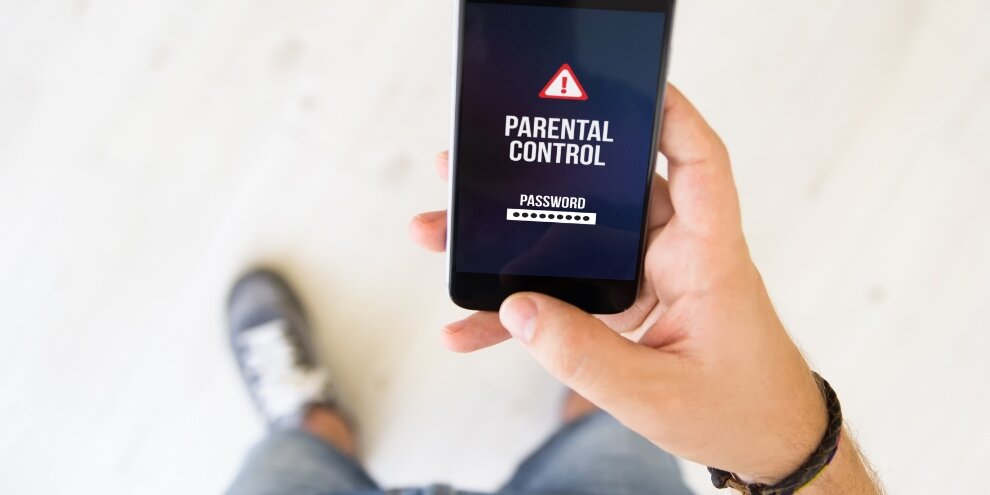
It is no secret that while cell phones can connect young people and be useful for researching school projects, they can also expose kids to things they should not be seeing — pornography, images of horrific violence, cyberbullying, messages with racial, religious, and ethnic hate-filled language, and more.
PA Unplugged, a statewide coalition of nonprofit parent groups formed early this year to combat this plague, will be staging the region’s first Alternative Device Fair on Sunday, Nov. 2, from 2-5 p.m., at Congregation Or Ami, 780 Ridge Pike in Lafayette Hill. PA Unplugged, which has parent groups all over the state, advocates for stronger cell phone policies in schools and promotes child-safe tech devices like Bark, Troomi, Lightphone, and Tin Can (for-profit companies) and parental control apps like Qustodio, Net Nanny, and MMGuardian.
“We want to delay these [cell phone] devices for kids,” Alex Bird Becker, a spokesperson for PA Unplugged, told the Local last week. “We need stronger cell phone policies for kids. Research shows that they are not safe for young children. Their brains are not fully developed yet, and the cell phone addiction can do harm to their mental health.”
Some of the PA Unplugged parent groups in or near Northwest Philadelphia are Hold the Smart Phone in Mt. Airy and Chestnut Hill, Upper Dublin Unplugged in Dresher, Wait Until 8th Wissahickon in Ambler, Wait Until 8th Colonial School District in Lafayette Hill, and Drakes for Digital Balance in Jenkintown. Unaffiliated parents may also start their own group.
According to the results of a massive survey of about two million people in 163 countries, published on July 21 of this year in the Journal of Human Development and Capabilities, “Smartphone use by children younger than 13 was associated with suicidal thoughts, worse emotional regulation, lower self-worth and detachment from reality, especially among girls.”
For every year before age 13 that a child acquired a smartphone, their mental health and well-being were likely to be lower, the study found. That’s probably because the children who used smartphones before turning 13 accessed social media more and experienced sleep disruptions, cyberbullying, and negative family relationships, according to the study. The results were so disturbing that the researchers called for global restrictions to prevent children younger than 13 from using smartphones and social media at all.
“This calls for urgent action limiting access of children under 13 to smartphones as well as more nuanced regulation on the digital environment young people are exposed to,” said lead study author Tara Thiagarajan, founder and chief scientist of Sapien Labs, the nonprofit that conducted the survey.
At the Nov. 2 fair in Lafayette Hill, parents will have the chance to meet individuals representing child-safety devices like Bark, Troomi, Lightphone, Tin Can, and more. Parents and caregivers can see the products in action, ask questions and discover the best fit for their family. Parental controls for cell phones allow parents to set screen time limits, restrict app downloads, filter web content, and track their child’s location and activities.
According to fair organizers, participants will be able to learn about parental control apps like Qustodio, Net Nanny, and MMGuardian, which offer these features. For families seeking a dedicated “safe phone,” options like the Troomi or Gabb phones provide controlled environments with pre-approved apps and communication features. Other alternatives include Aura for identity theft protection or FamilyTime for budget-friendly options with specific tools like remote phone locking.
“The message is starting to be spread more widely about the need for parental controls,” said Becker. “Parents want tools; they are scared about the harm these devices cause. These phones were created to be addictive, to make money. Many adults cannot even regulate their own use of these phones, so children certainly cannot. Two bills have been introduced into the Pennsylvania state legislature with 20 co-sponsors, including State Sen. Vincent Hughes, that would regulate cell phone usage in schools. Thirty-four states already have such laws.”
Angela Duckworth, a professor of psychology at the University of Pennsylvania, wrote recently about a national study which showed that stricter cell phone rules produce happier teachers and less disruption in schools. “Teenagers today are spending up to eight hours a day, more than half of their waking hours, on their phones,” she said in a commencement speech at Bates College in Maine on May 30 of this year, “and studies have shown that the farther the phones are away from students taking tests, the higher the GPA scores they get … And I don’t want to spend my entire life oblivious to what is going on around me.”
A website, techradar.com, has spent over 1,500 hours testing hundreds of parental control apps, and their results are available on their website.
For more information or to start your own parent group, visit paunplugged.org. Len Lear can be reached at lenlear@chestnuthilllocal.com.