
Published on
December 21, 2025
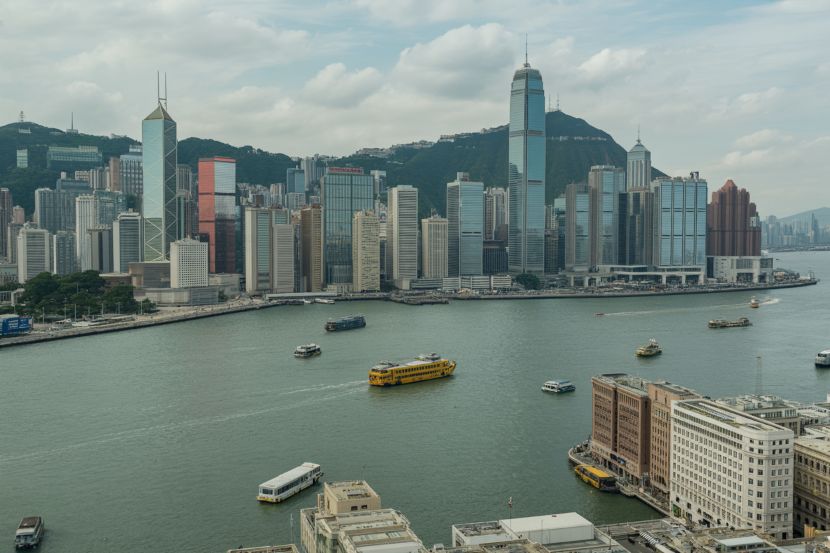
Hong Kong’s transportation landscape has received a significant upgrade today with the official opening of the Central Kowloon Bypass (Yau Ma Tei Section). This new road infrastructure promises to ease traffic congestion in the bustling Kowloon region, enhancing travel efficiency between some of the city’s most important districts.
The Yau Ma Tei section of the Central Kowloon Bypass, which stretches approximately 4.7 kilometers, opened to the public on December 21, 2025, at 10:00 a.m. This highly anticipated section of the bypass connects Yau Ma Tei in West Kowloon to the Kai Tak and Kowloon Bay areas in the eastern part of Kowloon. Its opening represents a major leap forward in improving the city’s transport links.
Free Travel for Now: A Smooth Ride with Major Time Savings
In a bid to encourage maximum usage of the new bypass, the Hong Kong government has announced that travel will be free on the Yau Ma Tei section during the initial period. The road is expected to serve as a key route for both motorists and public transport vehicles, especially during peak hours.
The new section cuts down the travel time between Yau Ma Tei and Kowloon Bay to a mere five minutes, a remarkable improvement over the previous 30-minute journey, particularly during rush hours. For both locals and tourists, this will be a significant time-saver, making travel through Kowloon much more efficient.
Travelers heading to Kowloon Bay will no longer have to endure the heavy congestion of surface roads, as the bypass offers a more direct route that bypasses some of the city’s busiest areas.
Key Features of the Central Kowloon Bypass (Yau Ma Tei Section)
The Central Kowloon Bypass is part of Hong Kong’s larger initiative to expand its road networks and alleviate congestion, particularly in heavily trafficked urban centers. The Yau Ma Tei section is the first segment of this new bypass to be operational, with further phases expected to open in 2026.
Once completed, the entire bypass will serve as a crucial east-west corridor for Kowloon, enabling faster movement across the city. The bypass will also be integrated into the wider Kowloon Bay road network, allowing for seamless travel between central Kowloon and areas like Kai Tak, which is becoming a major business and commercial hub.
Public transportation is also being revamped to take full advantage of the new bypass. Several bus routes will be re-routed to use the bypass, providing even more travel options for commuters. This move is expected to relieve some of the pressure on other roads, offering more convenient and direct connections for passengers across Kowloon.
Road Safety and Infrastructure Upgrades
The opening of the Central Kowloon Bypass marks not only a win for faster travel but also an important step in improving road safety. The new road features state-of-the-art engineering, with modernized infrastructure designed to minimize accidents and improve driving conditions.
In the coming months, further upgrades are expected in surrounding infrastructure to complement the new bypass. These will include better signage, new pedestrian pathways, and improved intersections for a safer travel experience.
For tourists visiting Hong Kong, the ease of access to Kowloon’s major tourist attractions, shopping districts, and business centers will make the city’s vibrant culture even more accessible. With improved travel times, visitors can explore Kowloon’s famous landmarks such as Mong Kok, Tsim Sha Tsui, and Kowloon Bay with greater ease.
What’s Next for Hong Kong’s Transport Future?
The Yau Ma Tei section is just one part of Hong Kong’s larger strategy to modernize and expand its transportation network. Future plans include extending the Central Kowloon Bypass to integrate further with Hong Kong’s already sophisticated public transport system, which includes the MTR (Mass Transit Railway) network, buses, ferries, and taxis.
Additionally, the Hong Kong government’s transport authorities are working closely with local stakeholders to ensure that public transport services align seamlessly with new infrastructure developments, benefiting both locals and tourists alike.
The completion of the bypass also comes at a crucial time for Hong Kong’s tourism sector. With more international and local travelers heading to the city for business and leisure, Hong Kong’s revamped transportation systems will play a key role in making the city a more attractive and efficient destination for travelers.
A Promising Future for Kowloon and Hong Kong
For the thousands of commuters and visitors who regularly travel through Kowloon, the opening of the Central Kowloon Bypass Yau Ma Tei section is a welcome change. This new infrastructure project marks a significant milestone in Hong Kong’s efforts to improve its road network and support the growing demand for efficient travel in the region. Whether you’re a resident or a visitor, getting around Kowloon has never been easier.
As further phases of the bypass open in the coming years, Hong Kong’s transportation network will continue to evolve, making the city an even more accessible and attractive destination for both residents and tourists.


