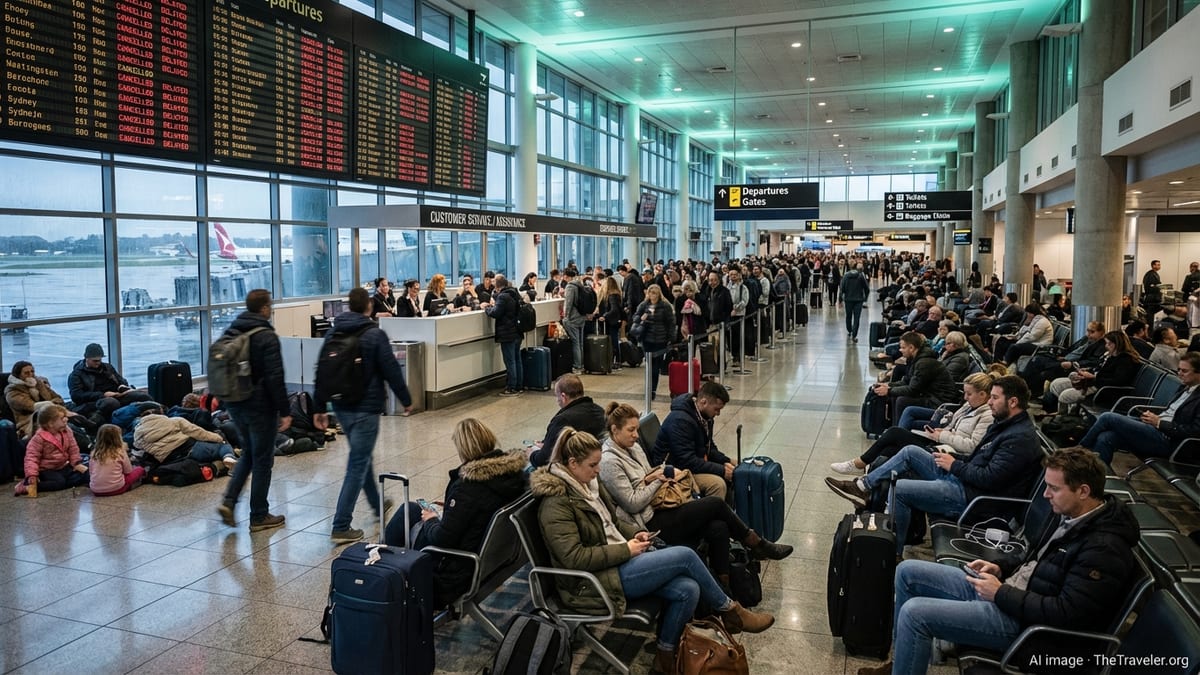
Vancouver International Airport is experiencing a fresh wave of disruption on April 9, with publicly available data indicating more than 50 delayed flights and at least seven cancellations affecting major routes to Toronto, Hong Kong, San Francisco, Frankfurt, Munich and other destinations served by Air Canada, WestJet, Lufthansa, American Airlines and additional carriers.
Get the latest news straight to your inbox!
Broad Disruptions Across Key Domestic and International Routes
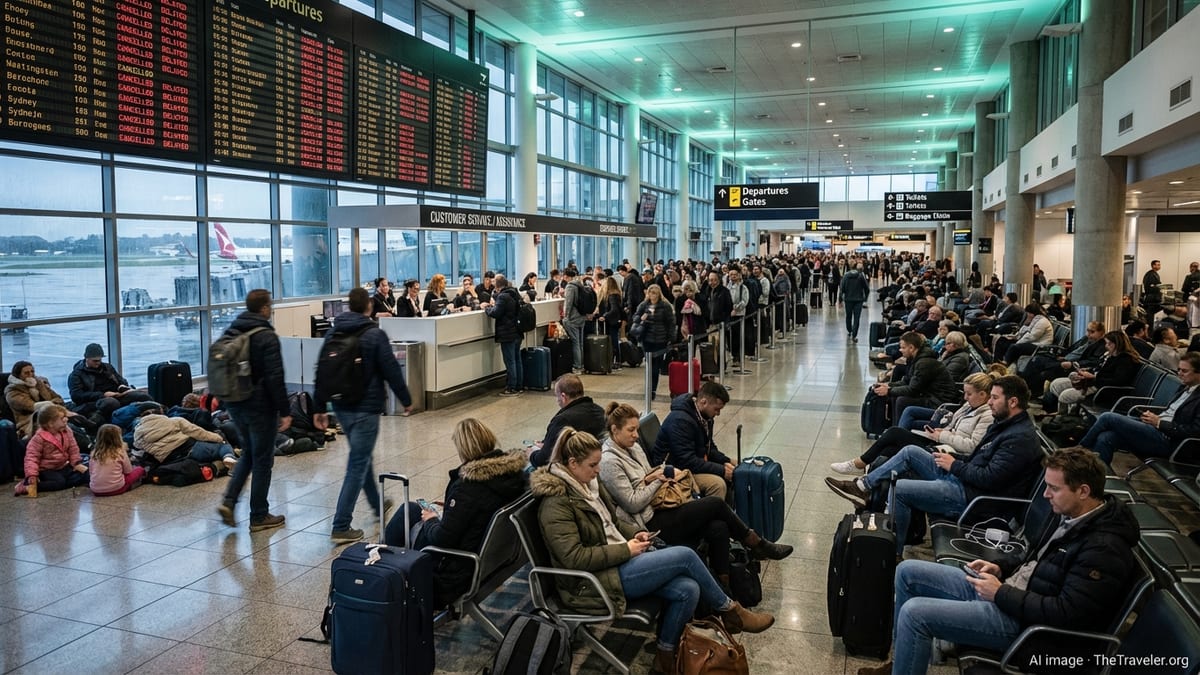
Operational data for April 9 shows that Vancouver International Airport has entered another day of strained schedules, with a high concentration of delayed departures and arrivals across both domestic and long haul international services. Monitoring platforms that track on time performance list over 50 flights running behind schedule and multiple services cancelled outright, creating a ripple effect across Canada, the United States, Europe and Asia.
Flights between Vancouver and Toronto appear among the most consistently affected, reflecting the importance of this corridor as a trunk route for both point to point travellers and those connecting onward to Europe, the United States and Asia. Even modest departure delays on this sector can trigger missed connections at hubs such as Toronto Pearson, leaving passengers rebooked onto later services or rerouted through alternative cities.
International links from Vancouver to Hong Kong, Frankfurt and Munich are also caught up in the disruption. Long haul departures are particularly vulnerable when earlier inbound aircraft or crew arrive late, meaning a delay of less than an hour on a transpacific or transatlantic service can translate to missed connections for onward flights and extended waits for passengers at already busy hubs.
Traffic to and from the west coast of the United States, including San Francisco, has not been spared. The Vancouver San Francisco corridor is frequently used by both business travellers and leisure passengers as a gateway into the broader U.S. domestic network, so delays here can complicate connections onward to secondary American cities.
Major Carriers, Shared Strain
Air Canada and WestJet feature prominently in the disruption picture at Vancouver, reflecting their large share of operations at the airport and across Canada. Recent nationwide statistics have already highlighted elevated levels of delays for both carriers during the spring period, and today’s Vancouver data suggests that the broader pattern of schedule strain is continuing at one of their key coastal gateways.
International airlines including Lufthansa and American Airlines also appear in the roster of disrupted flights, particularly on services linking Vancouver with major European and U.S. hubs such as Frankfurt, Munich and San Francisco. These carriers rely heavily on predictable departure and arrival windows to feed complex connection banks, and even short delays in Vancouver can reverberate through their wider networks.
Industry observers note that when several large airlines operating from the same airport encounter delays at the same time, resources such as gate space, ground handling staff and deicing or maintenance support can quickly become stretched. This can compound relatively minor schedule issues into longer departure holds, aircraft swaps and, in some cases, outright cancellations.
Publicly available information for April 9 suggests that at least seven flights from Vancouver have been cancelled, including a mix of domestic and international routes. Cancellations not only displace the passengers on those specific flights, but can also reduce the number of recovery options for travellers already facing missed connections due to earlier delays.
Knock-on Effects for Travelers and Hubs Worldwide
The immediate consequence for passengers at Vancouver is longer waits at departure gates, lengthier lines at check in and customer service counters, and a greater risk of missed connections at onward hubs. Travellers bound for Toronto, for example, may find that even a delay of 30 to 60 minutes out of Vancouver puts tight international connections at risk once they reach eastern Canada.
For those heading to or through major international hubs such as Hong Kong, Frankfurt, Munich and San Francisco, the timing of delayed arrivals can determine whether they are able to board onward flights the same day or must accept hotel vouchers and rebooking for the following day. Longer haul disruptions are particularly challenging for families and business travellers on fixed itineraries, and can lead to additional costs for missed hotel nights, tours or meetings.
The disruption at Vancouver also has network implications for the airlines involved. Aircraft and crew that arrive late or are stranded in Vancouver can be unavailable for subsequent rotations in other cities, causing secondary delays in airports far removed from the original problem. In a tightly scheduled environment, a cluster of delays at one hub can quickly propagate through a carrier’s system over the course of the day.
Airlines routinely adjust their schedules and crew plans in response to such events, but the combination of high travel demand, limited spare aircraft capacity and ongoing operational pressures means that recovery can take time. As a result, some passengers flying later on April 9, or even on April 10, may still experience residual impacts linked back to today’s disruptions in Vancouver.
Context: A Challenging Spring for Canadian Air Travel
The situation at Vancouver comes in the context of a broader period of turbulence for air travel across Canada this spring. Recent analyses of national operations have highlighted hundreds of delays and dozens of cancellations in a single day across major airports such as Toronto, Montreal, Calgary and Quebec City, with Air Canada and WestJet frequently listed among the most affected carriers.
Winter weather lingering into April, tight airline schedules, and ongoing staffing and maintenance constraints have all been identified in recent coverage as contributing factors behind the elevated disruption levels. While conditions at each airport are different, the pattern suggests that Canada’s aviation system is operating with limited margin to absorb shocks, whether they stem from weather, technical issues, air traffic control constraints or congestion on the ground.
Vancouver International Airport serves as a vital west coast gateway for transpacific and transborder travel, linking Canada to Asia, Europe and the United States. When operations become constrained at such a key node, the consequences can reach far beyond the local region, affecting itineraries that connect through multiple continents and carriers.
Passenger rights frameworks in Canada establish obligations for airlines when flights are significantly delayed or cancelled, including rules for rebooking, care and, in some circumstances, compensation. However, travel advocates frequently advise passengers to document disruption details carefully and to be proactive in seeking alternative routing options when large numbers of flights are affected at once.
What Travelers Through Vancouver Should Expect Next
For passengers scheduled to travel through Vancouver later on April 9, publicly available tracking suggests that delays may continue as airlines work to stabilize their operations. Recovery often depends on how quickly carriers can reposition aircraft and crews, clear any backlogs at gates and security, and align their schedules with air traffic control capacity.
Those traveling to Toronto, Hong Kong, San Francisco, Frankfurt, Munich and other long haul destinations should anticipate the possibility of altered departure times and tighter connections, particularly if their journeys involve multiple carriers. Some itineraries may be rerouted through alternate hubs to reduce missed connections or to take advantage of available aircraft in other parts of the network.
Travel industry guidance commonly recommends that on days of widespread disruption, passengers allow extra time at the airport, keep a close eye on live flight status updates, and consider carrying essential items such as medications and a change of clothes in hand luggage in case of unexpected overnight stays. Flexible ticket conditions and travel insurance are also cited as useful tools for managing the financial impact of cancellations and long delays.
With more than 50 delays and at least seven cancellations recorded today, Vancouver International Airport has become another focal point in a difficult season for Canadian air travel. How quickly airlines can restore normal operations will shape the experience of thousands of passengers not only in Vancouver, but across an interconnected global network of destinations.