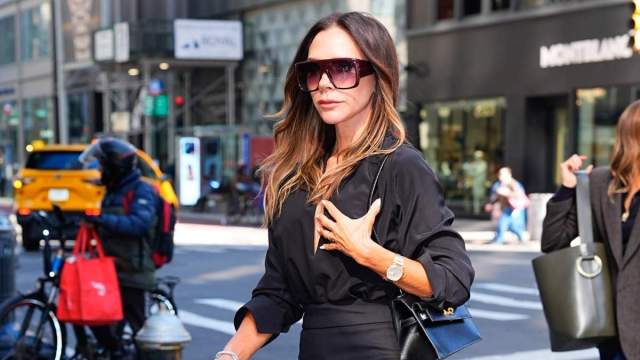
Inside a temporary Manhattan Louis Vuitton flagship, a server sets down a monogrammed potato waffle topped with creme fraiche, caviar, and chives. A few blocks away at Tiffany & Co., tourists sip Champagne while nibbling on tea sandwiches.These scenes have become routine in New York. High-end brands are branching out by opening fancy restaurants.
The marriage of luxury shopping and fine dining has historical roots in shopping culture. Early department store pioneers like Marshall Field’s and Wanamaker’s introduced tea rooms and dining spaces to keep customers browsing for longer, transforming shopping into all-day social events. They were also the launching ground for social movements connected to civil rights.
Today, fashion brands are reviving this tradition with renewed ambition. Printemps, a French department store that opened in downtown Manhattan in March, features five food and drink spaces, while Giorgio Armani opened a high-end Italian restaurant in its Madison Avenue store before the designer died.
These culinary additions are strategic extensions of the luxury experience that keep customers immersed in the brand’s world, fulfilling ambitions of department store pioneers. Rather than lose customers to nearby restaurants, brands are keeping them in-house with food that extends the luxury experience beyond the sales floor.
Take Louis Vuitton’s five-story flagship on East 57th Street, a shopping destination that drips with such glamour that it’s impossible to tell the store is temporary. On the fourth floor, you’ll find a Le Café Louis Vuitton, a chic space with an impressive menu by chef Christophe Bellanca (of acclaimed Upper West Side restaurant Essentials by Christophe) and executive pastry chef Mary George (who previously worked at Daniel Boulud’s namesake Michelin-starred restaurant). The team weaves the iconic LV logo into every bite.

Bellanca calls Le Café Louis Vuitton a “modern take on luxury snacking,” adding that the menu was conceived after he spent time in France and collaborated with French chef Arnaud Donckele and restaurateur Stephen Starr. He prioritizes sustainability by sourcing local ingredients from tri-state farms. “We like to say we have Michelin polish,” Bellanca said. The “Crab Louis,” a play on the brand’s name, arrives in a half avocado with pastoral herbs and tomato passata, alongside items like ceviche with sea bream, edible flowers, and leche de tigre. For dessert, there’s a matcha ice cream sundae — with a branded scoop of matcha ice cream surrounded by raspberries and whipped cream, complete with a matcha brownie at the bottom.
Down the street from the Louis Vuitton Café, across Fifth Avenue, sits the famous Tiffany & Co. store, home to Blue Box Café by Boulud, located on the sixth floor of the flagship. Tiffany shoppers — a demographic that often includes tourists and mother-daughter duos – commonly opt for the Tea at Tiffany’s experience, inspired by the movie Breakfast at Tiffany’s, which includes six tea sandwiches, four pastries, four cookies, scones, jam, double cream, and tea for $98. Guests can add a glass of Champagne for an additional cost ranging from $30 to $95. “Shopping and dining have always been a successful formula,” Boulud says.
It’s challenging running a daily restaurant inside a fine jewelry destination, explains Blue Box Cafe executive chef Raphaelle Bergeon. “Space is limited and we have to be mindful of noise, scents, and flow to ensure we’re not disrupting the luxury retail experience,” she says. “It requires precise organization and seamless coordination.”The underlying goal is always to deliver the best possible experience to guests while remembering that restaurant diners are also Tiffany clients and vice versa. This dual relationship makes the level of service crucial.
A two-minute walk away from Tiffany & Co., you’ll find Polo Bar, the prime example of a fashion and food crossover. While it’s not located inside an actual store, the American restaurant designed by Ralph Lauren has become synonymous with celebrity sightings. Its coffee shop, Ralph’s on the Upper East Side, has also become an institution in its own right. In a similar vein, fashion brand Artizia’s Soho location is home to A-OK Café, which offers coffee, tea, and pastries, located next to the dressing rooms on the top floor, so you can reward yourself with a croissant after trying on clothes. Alexander Wang followed suit, opening a Heytea cafe in his Soho flagship store in May.
A focus on all-day dining


Printemps, located in the Financial District, is a new entrant to the space, with several restaurants and bars: Maison Passerelle with French dining, pastries, tea, and coffee at Café Jalu, a raw bar at Salon Vert, an all-day menu at Red Room Bar, and a Champagne bar. Top Chef contestant and James Beard Award-winner Gregory Gourdet oversees the food and drink, alongside the Kent Hospitality group, which handles the operations.
Last December, Armani opened a high-end Italian restaurant within the fashion brand’s 12-story flagship on Madison Avenue, a space that’s also home to boutiques and eight-figure condos. The restaurant is ideal for power lunchers, serving a tasting menu lunch from the corporate chef of Armani restaurants, Antonio D’Angelo, as well as a la carte options.
The neighborhood pushback
The trend doesn’t exist without its complications, though. Prada-owned pastry shop Pasticceria Marchesi is reportedly eyeing the space currently occupied by Lure Fishbar, a beloved Soho restaurant that opened in early 2004. The potential displacement has raised concerns among residents and restaurant industry observers, who worry that luxury brands are pushing out independent neighborhood institutions.
Just a few blocks away from Lure Fishbar, the food-and-fashion crossover is better received at ice cream shop Kith Treats. The concept, which now operates inside multiple Kith stores, launched in 2015 when Kith founder Ronnie Fieg opened a cereal bar for the brand in Brooklyn. With places like Kith Treats in the mix, the momentum shows no signs of slowing. Fashion brands have committed to dining with the same resources they are bringing to their runways. The only question is whether independent restaurants like Lure Fishbar can compete with brands that measure success in handbag sales.